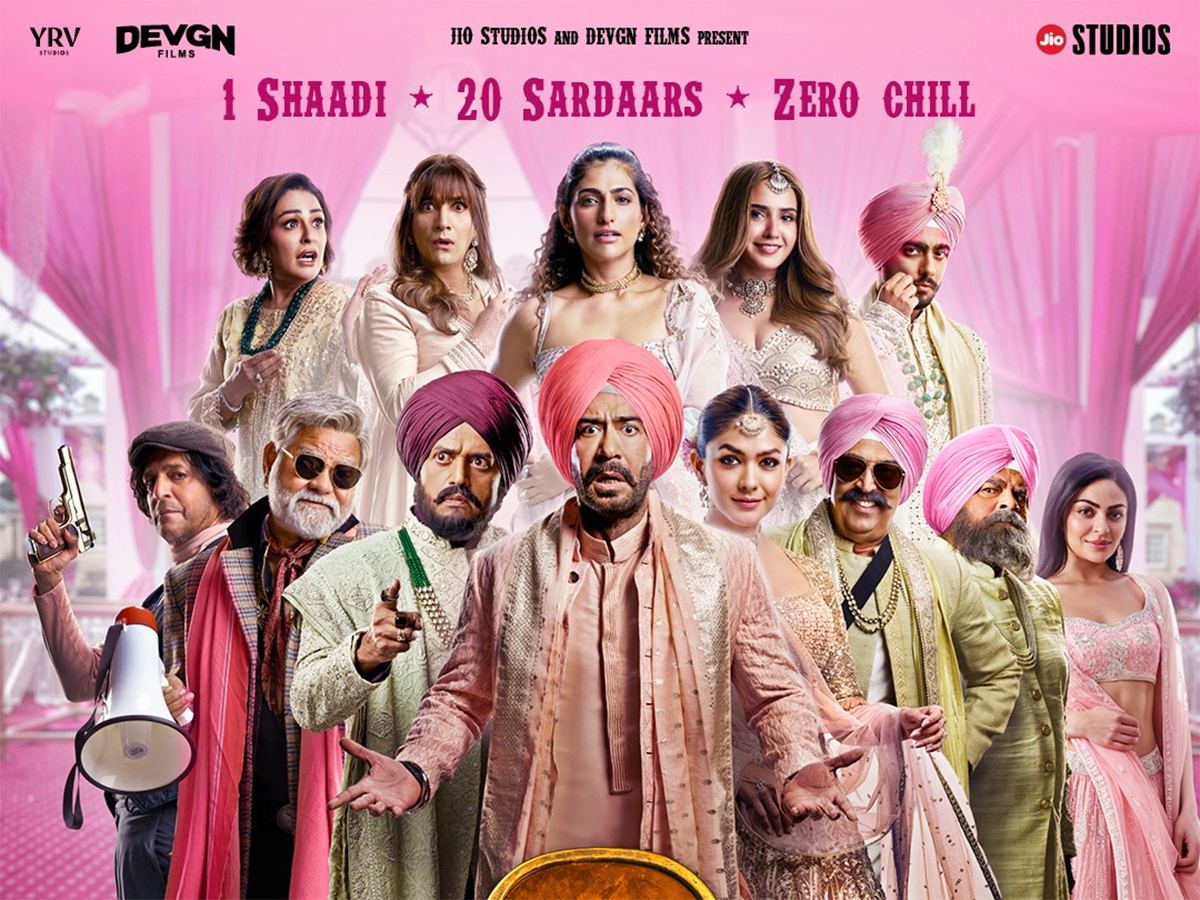
The Central Board of Film Certification (CBFC) is once again under fire for demanding changes in Ajay Devgn’s upcoming comedy film Son of Sardaar 2. The board reportedly asked the filmmakers to remove or alter several elements in the movie, including a reference to Chinese President Xi Jinping. In addition, the word “item” had to be replaced with “Madam,” the phrase “Kutte ki tarah” was changed to “Bahut buri tarah,” and a line starting with “Bhagwan…” was also modified.
After making all the required edits, the film received a U/A 13+ certificate, with a final runtime of 147.32 minutes. Once these modifications were made public, many in the audience and creative community criticized them as overly sensitive and unwarranted. The move has reignited debates over CBFC’s rigid approach to certifying films and how these decisions affect the creative freedom of filmmakers across India.
The original Son of Sardaar was well-received for its blend of authentic comedy and sharp satire, offering audiences humor rooted in relatable cultural situations. Comedy as a genre often uses wit and cultural references to comment on societal norms and everyday realities. Indian filmmakers have long used humor as a tool to discuss complex socio-political topics with accessibility and impact.
However, such interventions by the CBFC now threaten to water down the essence of this genre. When jokes or lines referring to public figures or common expressions are delivered in context and good faith, they often serve to advance the narrative and provoke thought, not outrage. Diluting or removing these elements makes Indian comedy less impactful and less representative of current cultural conversations.
The current climate also forces filmmakers and writers to constantly self-censor, not out of concern for audience backlash, but due to fear of regulatory pushback. In a country where audiences have growing access to international films, stand-up specials, and digital content that boldly addresses real-world issues, this kind of censorship feels increasingly outdated and disconnected.
While the CBFC claims to be protecting societal norms, it’s important to recognize that modern audiences are capable of evaluating satire and humor for themselves. Preventing them from seeing a film in its intended form creates a needless barrier between creators and viewers. Instead of fostering understanding, this approach risks alienating audiences and stifling the voices of India’s most creative storytellers.
At a time when Indian cinema could be leading the way with bold, culturally resonant narratives, excessive censorship poses a risk to its legacy. The public deserves the chance to decide what’s acceptable and what isn’t, especially when it comes to artistic expression. Until the CBFC allows more space for creativity and satire, the Indian film industry may continue to lose its distinctive voice to an institution that seems unwilling to evolve with its audience.