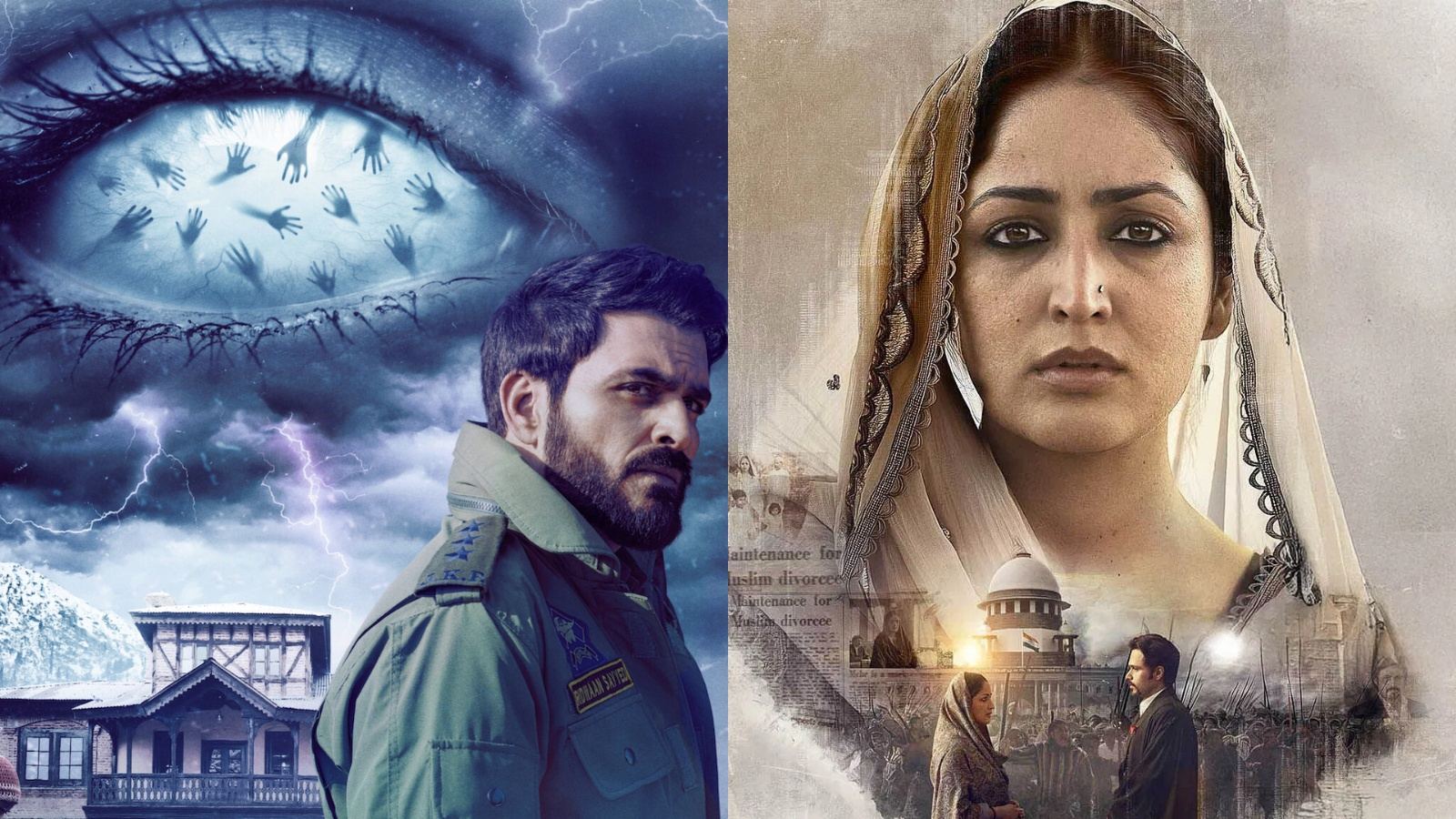
Two recent films Haq and Baramulla have caught the attention of audiences and critics alike. Haq hit theatres while Baramulla premiered on Netflix, and both have sparked widespread praise for their direction, storytelling, and performances.
Viewers across political lines agree that despite their distinct narratives, the two films stand out for their cinematic quality and emotional depth. Many fans have even called Haq and Baramulla benchmarks for how political or ideological films should be made.
Audiences are contrasting them with films like The Taj Story, The Bengal Files, and Ajey: The Untold Story of a Yogi, which some believe focus more on agenda than artistry. Fans argue that Haq and Baramulla succeed because they combine narrative strength with cinematic brilliance.
Baramulla centres on the plight of the Kashmiri Pandits, while Haq subtly touches on the Shah Bano case and hints that justice came during the Modi government era. Despite controversial undertones, both films have been praised for their emotional storytelling and technical finesse.
Viewers describe Baramulla as deeply moving saying every gunshot felt personal and the tension held them captive till the climax. In Haq, performances by Yami Gautam and Emraan Hashmi were lauded for their intensity and depth, creating strong empathy for the protagonist.
While fans celebrate these films, others lament the decline of left-leaning cinema such as Rang De Basanti and Haider. They believe such stories now face censorship, threats, or limited audience interest in today’s environment.
The discussion continues if right-leaning narratives are thriving, should not left-leaning films also receive equal space and encouragement? As actor and thinker Utpal Dutta once said, “Every art is propaganda.” The question remains where do we draw the line between belief and bias in cinema?