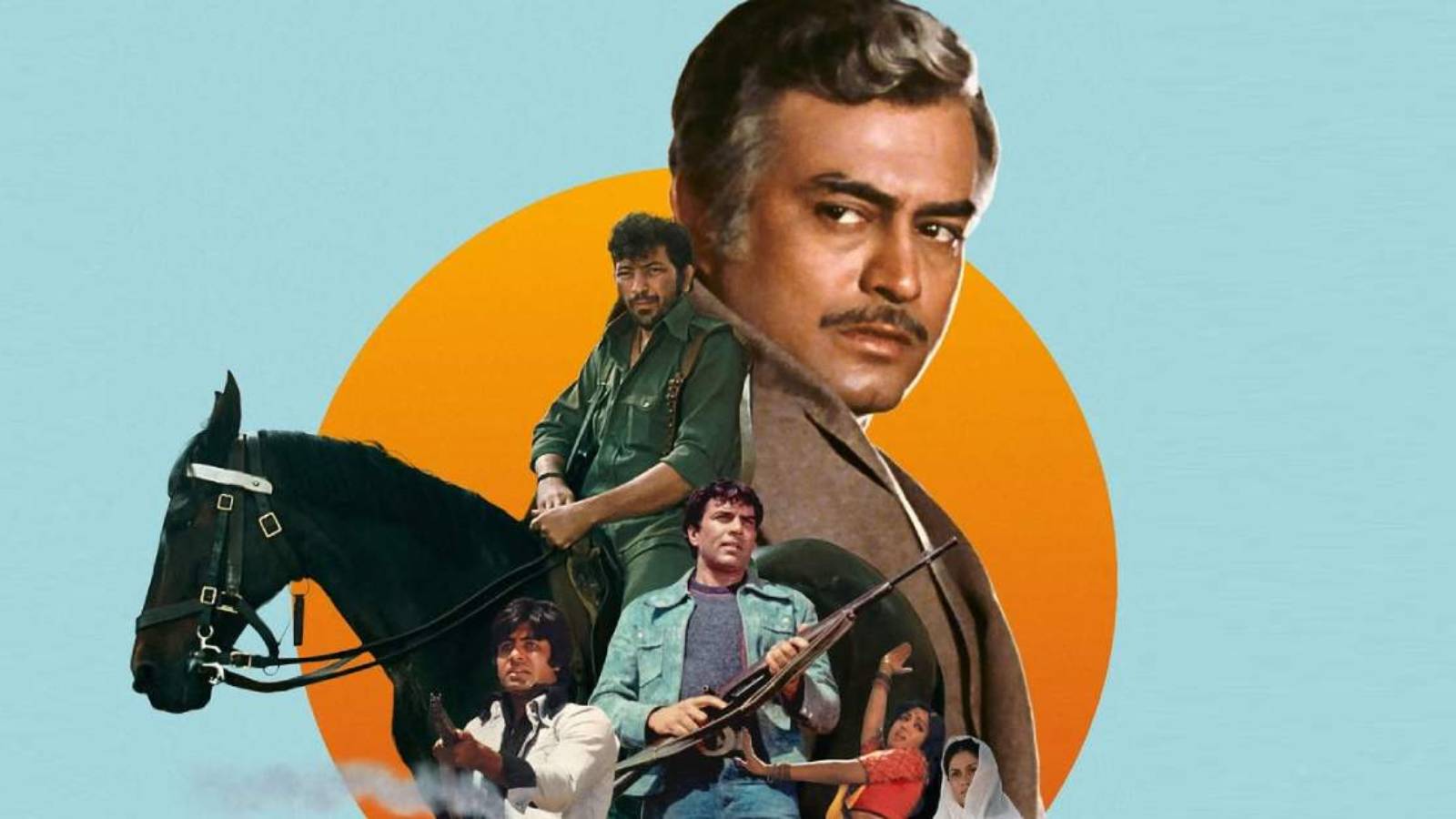
Recently, two action films with runtimes crossing 200 minutes sparked heavy discussion among audiences. You saw conversations explode around Dhurandhar and Sholay: The Final Cut, the latter bringing back the director’s originally intended ending.
While Dhurandhar triggered debates around politics and social impact, attention also shifted to Sholay. You may have noticed how even a classic film is now being pulled into political arguments, frustrating many viewers.
One online comment claimed that the Sholay re-release contained “dangerous leftist propaganda.” The user pointed to repeated visuals of raw red meat and argued that these scenes were meant to influence viewers into eating meat.
The same comment questioned why the CBFC did not include statutory warnings for these visuals. You could see the user comparing them to warnings shown for smoking and alcohol, even suggesting that such scenes should be removed.
Many viewers immediately pushed back against this argument. They pointed out how exaggerated the claim was and reminded others that people who eat meat do so by choice, not because a film shows it.
While the statement initially angered many fans, you later see that it was meant to be sarcastic. The comment was not an attack on Sholay but a broader observation on how films are now over-analysed and politicised.
You often notice this pattern with scenes showing smoking or drinking. Such moments are quickly branded as propaganda, especially when performed by lead characters, without any consideration for storytelling context.
As many fans rightly argued, visuals alone do not dictate behaviour. Just as seeing meat on screen does not make you eat it, watching a character drink or smoke does not force you to follow suit.
The comment was a clear dig at those who label every creative choice as propaganda. In doing so, you risk losing sight of cinema itself and the intent behind a scene.
What stands out more is how quickly outrage spreads online. Instead of reading carefully and understanding context, you see instant backlash driven by emotion.
This growing trend shows how audiences now struggle to separate sarcasm from serious commentary. That inability is shaping the way films are discussed today.