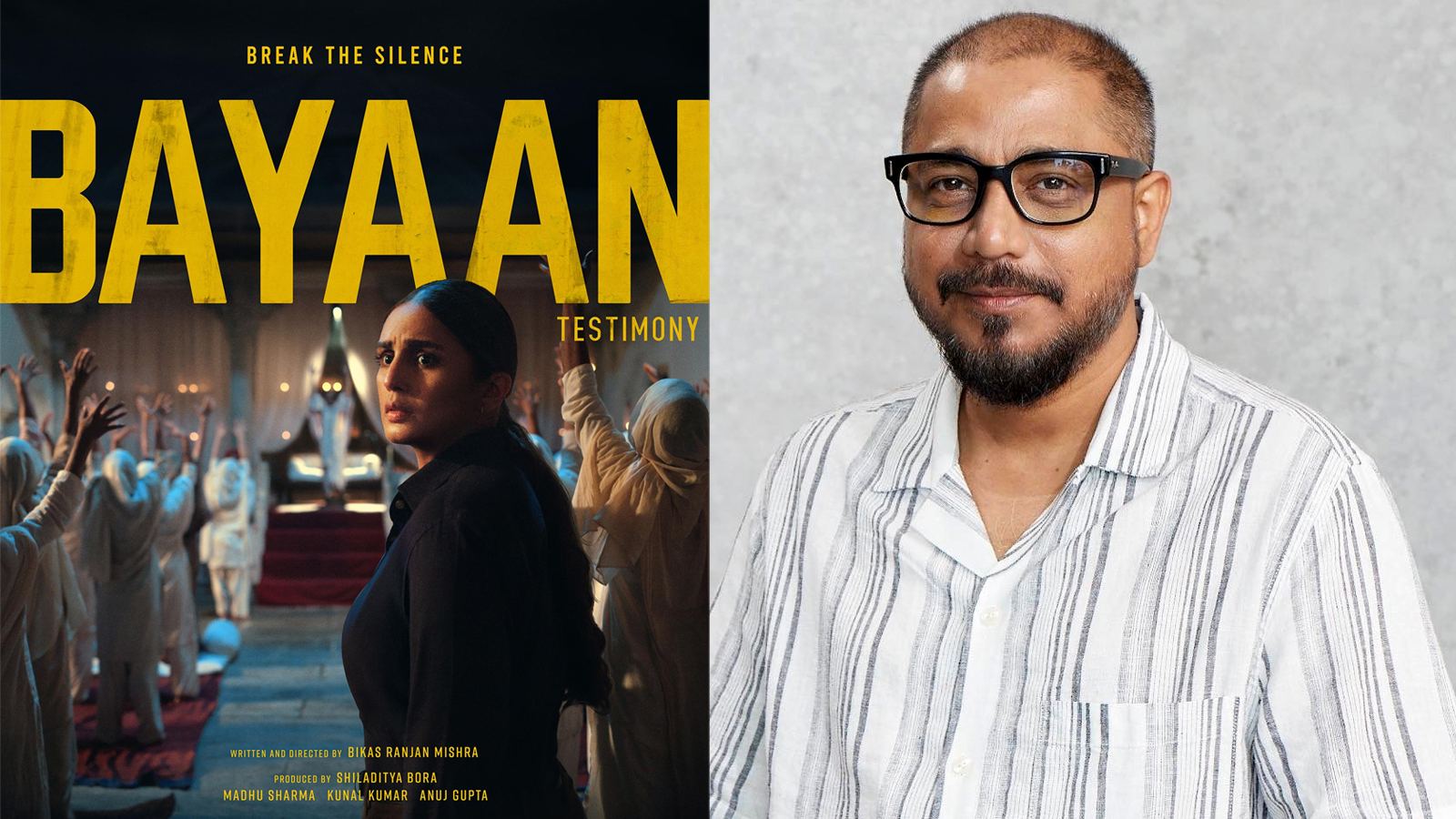
Bikas Ranjan Mishra has spoken about the growing challenges of making independent cinema in India. He highlighted how films outside mainstream storytelling struggle to survive. His comments come as his thriller Bayaan prepares for a screening on June 3.
Starring Huma Qureshi, Bayaan is a politically driven story set in Rajasthan. It follows a young police officer investigating allegations against a powerful public figure. The film has travelled to global festivals and received critical appreciation.
Bayaan has been screened at SXSW London, Cairo International Film Festival, and Cinequest Film Festival. It also won Best Feature Film at Canada’s Sundar Prize Film Festival. Despite this success, Mishra believes such films face major industry challenges.
According to the director, the issue lies in the current system. Financing today favours star led projects, sequels, and familiar genres. Films with complex themes and subtle storytelling often struggle to find space in this structure.
In a key observation, Bikash Ranjan Mishra described festival films as caught in an uncomfortable middle space. He said they are too independent for mainstream cinema and too ambitious for low budget filmmaking models.
He also addressed the idea that festival success ensures financial returns. While festivals offer visibility and networking opportunities, they rarely provide direct income. Instead, they help filmmakers build future collaborations and industry connections.
Mishra explained that distribution remains another major hurdle. Many acclaimed films fail to get theatrical releases in India. Multiplex chains focus on scale and quick returns, leaving little room for smaller films to grow through word of mouth.
His views reflect a larger identity crisis in Indian cinema. While global exposure has increased through streaming platforms, commercial pressure continues to limit creative risks. Independent films remain stuck between recognition and accessibility.