

A hit film can change everything overnight. The market value goes up, expectations rise and suddenly the sequel is expected to be bigger, grander and more expensive. Somewhere along the way, “Part 1 worked” has started becoming a reason to open the chequebook for Part 2.
Look at the recent franchise examples. Pushpa 2 was reportedly mounted on a Rs 400-500 crore scale, while the first Pushpa was reported in the Rs 200-250 crore range. Kantara: Chapter 1 made the jump even more visibly, from the reported Rs 16 crore budget of Kantara to around Rs 125 crore for the prequel. Akhanda 2 too arrived with a far bigger canvas than the original.
The logic is understandable. A successful film creates a bigger market for its characters, stars and world. But bigger spending also means a much bigger recovery target. The sequel now has to justify the success of the first film and the money spent on the second.
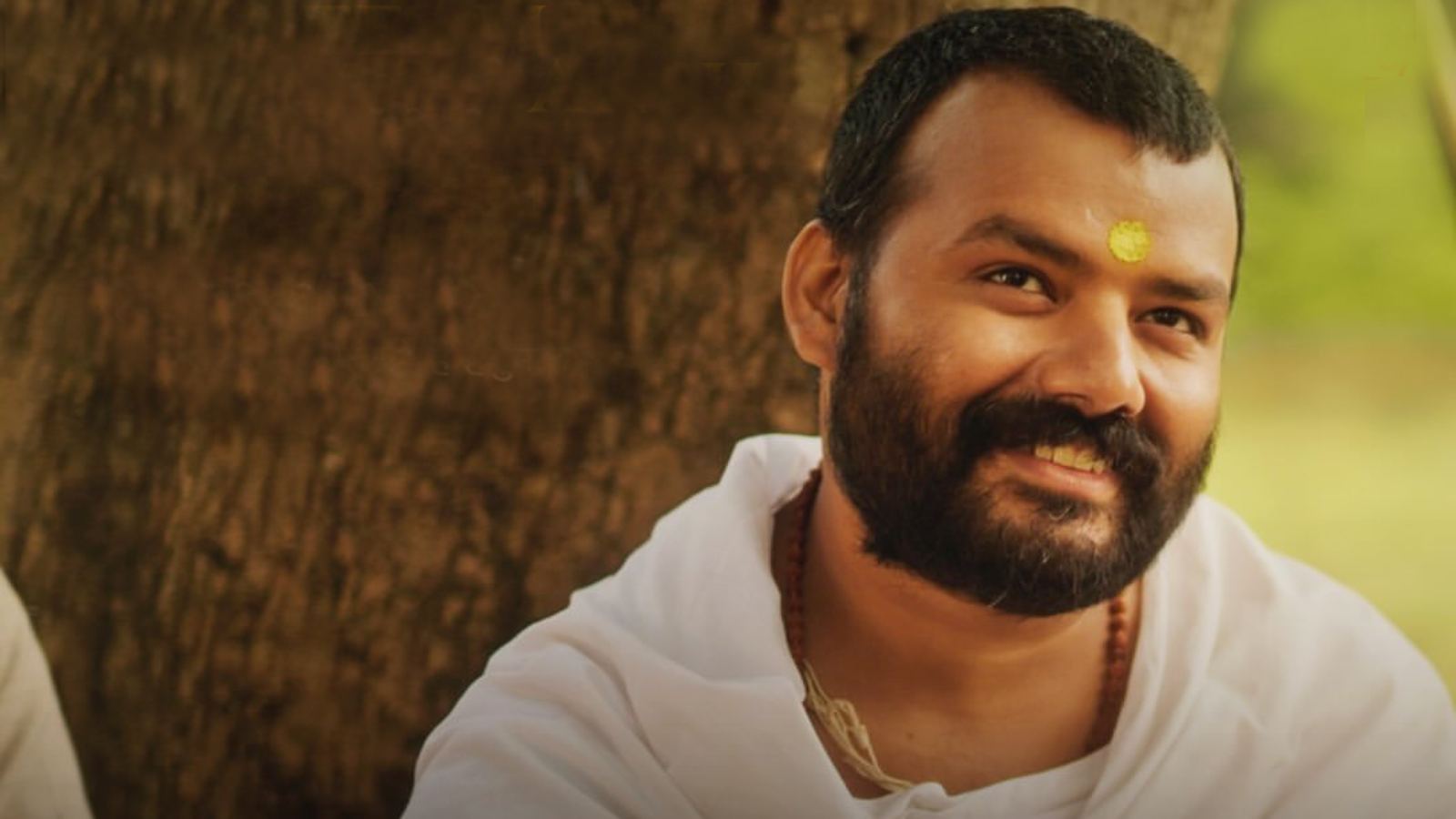
That is why Hanuman Ansh producer Anupriya Nagar’s approach stands out. Despite the film becoming a massive success after being made for under Rs 2 crore, she says the sequel will not automatically get a huge budget boost. If the story needs more money, they will spend more. Otherwise, there is no point adding unnecessary VFX or scale.
In an industry where a hit is increasingly followed by a bigger budget, perhaps the real sequel test is not how much more can be spent, but how much more actually needs to be spent.