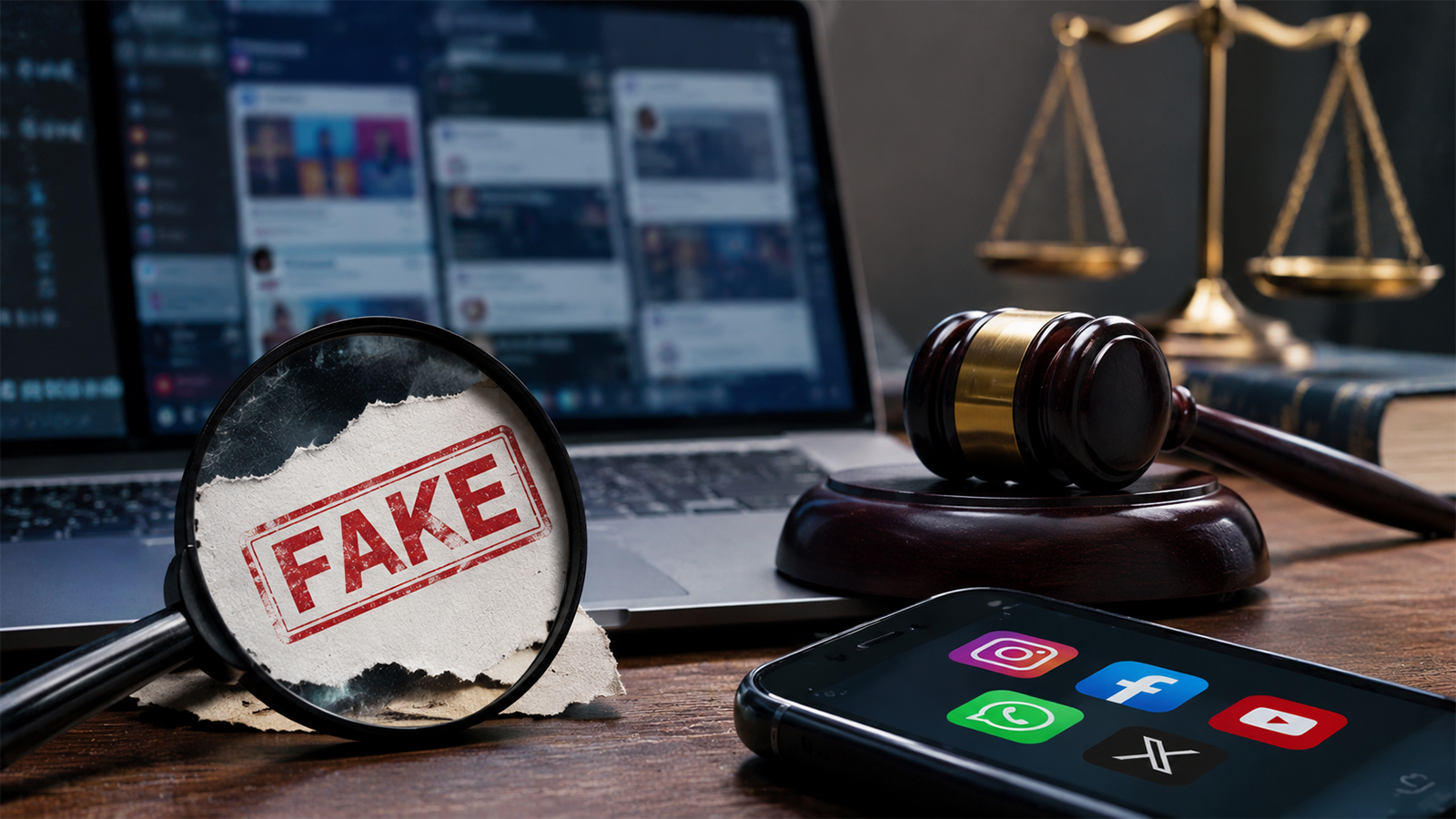
Can social media platforms be held responsible for the content they help make viral? The Centre is looking at possible changes to the rules that protect these companies from legal action over posts shared by users.
At present, social media platforms get protection under a rule called Safe Harbour. It means they are generally not held legally responsible for content posted by users, as long as they follow certain rules.
However, the spread of fake news, false information and deepfake videos has raised serious concerns. The Centre is now looking at whether social media companies should take more responsibility for such content.
The bigger question is whether these platforms should also be held responsible for posts that their systems push to more people and make viral. After all, a post does not always become popular on its own. The platforms also play a role in deciding what users see.
If the rules change, social media companies may have to be more careful about the content shared on their platforms. They may also face greater responsibility for the way they spread such content.
But there is another side to this issue. Strict rules could also affect people’s freedom to express their views. Platforms may start removing posts even when they do not break any law, just to avoid legal trouble.
The challenge is to stop fake news and deepfakes without stopping people from sharing their opinions. The Centre will have to find a balance between making social media companies answerable and protecting people’s freedom online.