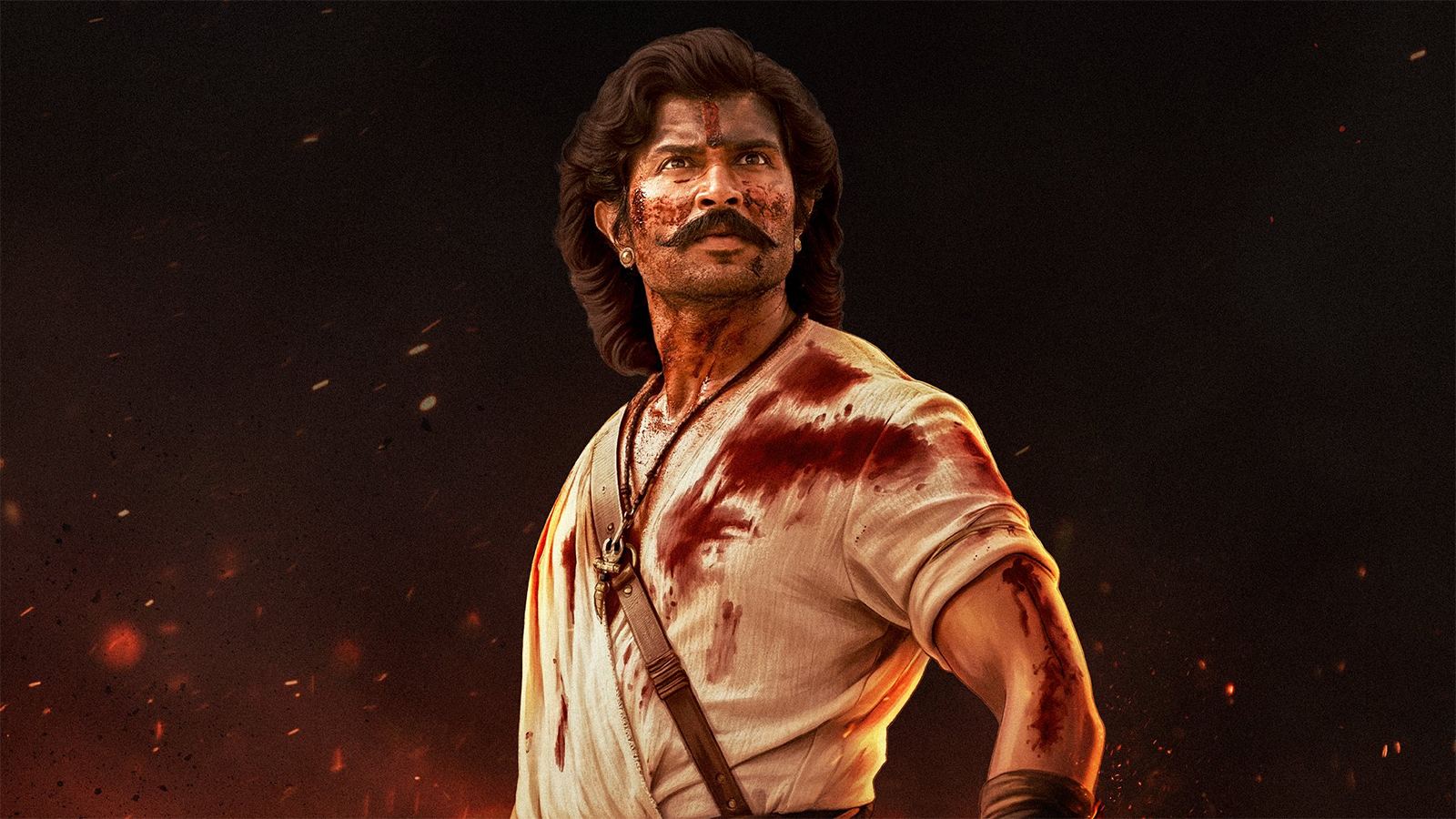
Lokah, the latest Malayalam blockbuster, reimagines Kerala folklore in a bold way. Rooted in local legends but told like a modern fable, the film presents Kalyani Priyadarshan’s Chandra as a dark fairytale-inspired heroine who challenges urban chaos with power and style.
Instead of using traditional Sanskritic mythology, the story reclaims Kalliyankattu Neeli, once portrayed as a demoness. She is reframed as a contemporary superheroine. This unique storytelling has been compared to Hollywood cinematic universes, with Lokah seen as a possible starting point for a Malayalam mythic universe.
The film has sparked debate online with some claiming Lokah portrays Hindus negatively. They cite scenes showing a king burning a temple, Christian missionaries as saviours, Lord Vinayaka’s idol being disrespected, and a Hindu villain killing his mother before deity statues.
These claims have led to controversy similar to the debates around L2: Empuraan. Critics argue Malayalam films often show Hindus as villains. However, many fans feel the criticism is misplaced and comes from people who did not watch the full film.
Supporters suggest these reactions are driven by groups who always link religion or caste to cinema. They argue such debates are less about the movie and more about pushing narratives. For many viewers, Lokah remains a visual spectacle and a fresh cultural reimagination.
In the end, Lokah is celebrated for its ambition, scale, and reinvention of folklore. Yet, it is also navigating backlash and online scrutiny, which have become common challenges for major releases in Malayalam cinema.