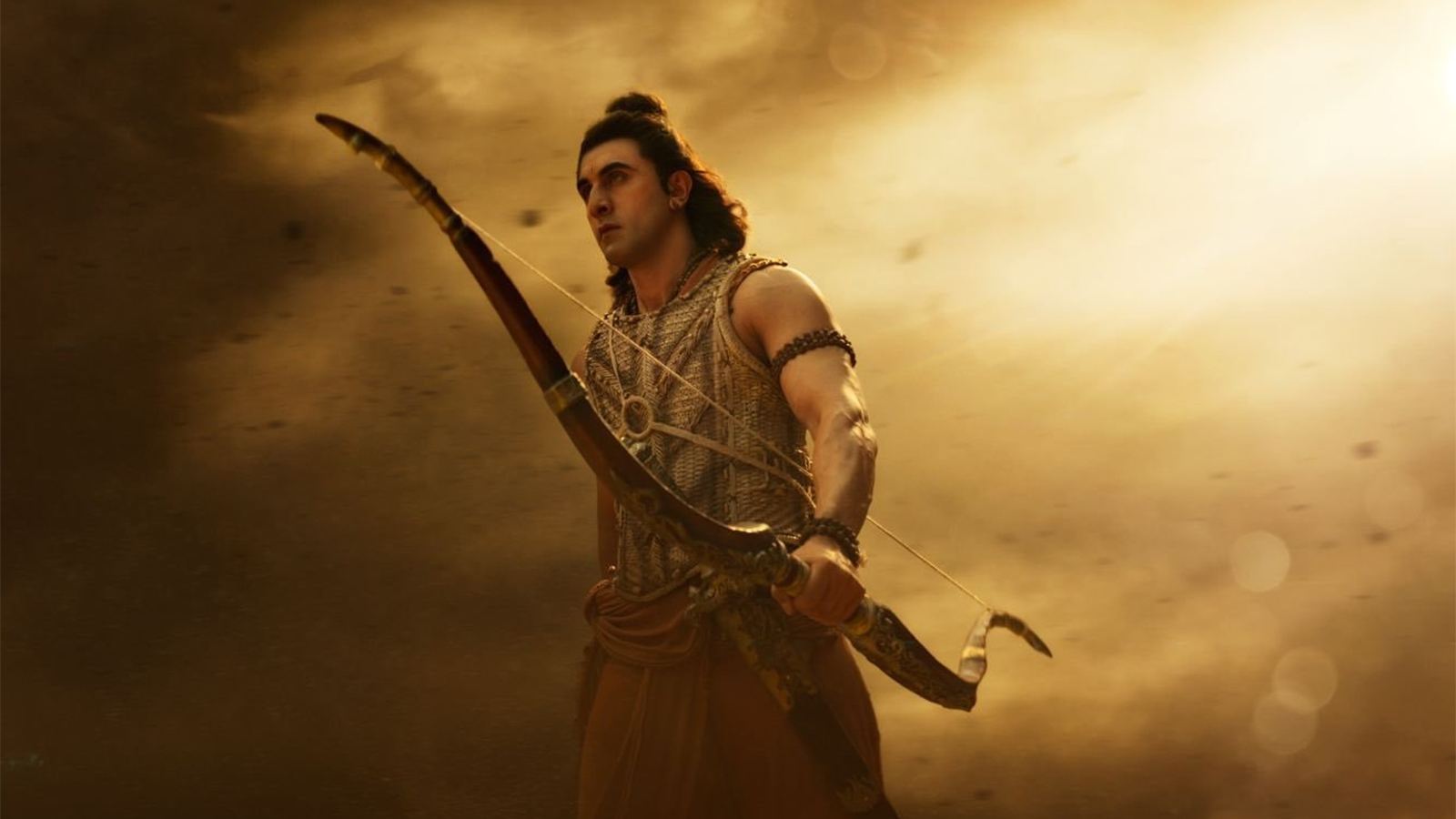
Nitesh Tiwari’s Ramayana is one of the most ambitious Indian films ever mounted. Starring Ranbir Kapoor as Lord Rama, Sai Pallavi as Sita, and Yash as Ravana, the epic will arrive in two parts during Diwali 2026 and Diwali 2027.
Now, the director has revealed an interesting behind-the-scenes detail.
Speaking at San Diego Comic-Con (SDCC) 2026, Nitesh Tiwari disclosed that the makers had originally planned Ramayana as a trilogy before eventually settling on a two-part format. According to the filmmaker, the epic’s emotional depth made it impossible to fit into a single film. At the same time, stretching it across three installments created another challenge.
Tiwari explained that the proposed third film would have focused almost entirely on the war between Rama and Ravana, leaving very little room for the emotional moments that define the epic. After extensive discussions, the team concluded that two films offered the right balance between storytelling, emotion, and spectacle.
It appears to be a sensible decision.
Unlike franchises built on original stories, Ramayana is one of the most familiar narratives in India. Most audiences already know how the story unfolds. While they may eagerly return for two films because of the scale and cinematic experience, sustaining the same excitement across three installments for a story with a known ending would have been a much tougher challenge.
The recently released trailer has generated intense debate and trolling, particularly over the casting, VFX, and Namit Malhotra’s widely discussed Rs. 4000 crores budget claim. More importantly, the trailer has dominated social media conversations, virtually guaranteeing a gigantic opening. After that, however, everything will depend on the film’s content. If Ramayana delivers the emotional depth and spiritual impact audiences expect, the box office potential could be limitless.
The makers now have the opportunity to tell the complete story without stretching it beyond what the narrative demands. In a franchise of this scale, ending at the right moment may prove far more effective than extending it by one film too many.