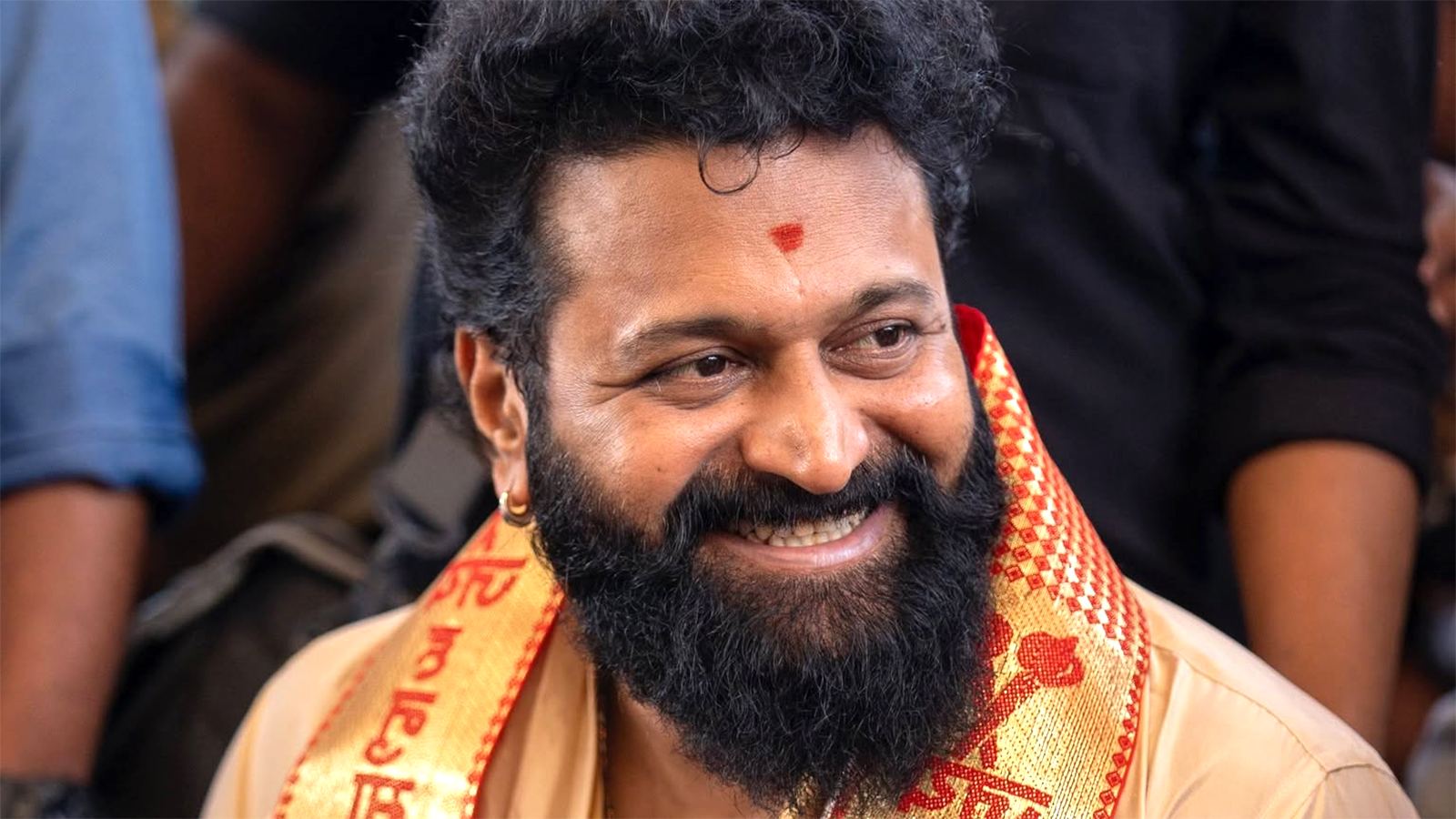
After the massive success of Kantara, Rishab Shetty has entered the busiest phase of his career. The National Award-winning actor-filmmaker is now balancing multiple responsibilities at once, as an actor, writer, director, and producer.
Rishab has confirmed that his immediate acting lineup includes Jai Hanuman and the historical biopic The Pride of Bharat: Chhatrapati Shivaji Maharaj. He says both films require very different physical looks, which is why he plans to shoot them one after the other rather than simultaneously.
At the same time, Rishab has also revealed that work is already happening on Kantara: Chapter 2. He says he cannot stay away from direction for too long and finds peace in working on his own stories. Alongside that, his production banner is also planning to announce two new projects later this year.
So clearly, Rishab is not slowing down after Kantara. If anything, he seems to be expanding in every direction possible.
On paper, that sounds exciting. Very few stars today are trying to balance acting in large-scale films, directing their own franchise, running a production house, and even thinking about long-term cinema infrastructure. Rishab is now talking about building a “cinema village” in his hometown, Keradi, instead of simply waiting for a film city in Bengaluru.
But this also raises one important question: is he taking on too much at once?
Because films like Jai Hanuman and a Shivaji biopic are not routine acting assignments. Both demand serious preparation, physical transformation, and screen presence. On top of that, Kantara: Chapter 2 is not just another sequel. It would be the third film in a franchise that already carries enormous expectations after Kantara became a nationwide phenomenon.
That is where the real challenge lies. Kantara worked because it felt fresh, rooted, and culturally unique. Even though Kantara Chapter 1 expanded that world, it did not create the same kind of surprise and impact as the original for many viewers. That makes a third film riskier because Rishab now has to find a way to make the franchise feel exciting and fresh all over again instead of merely extending a successful brand.
This is what makes Rishab’s next few years so interesting. If he manages this balancing act well, he could emerge as one of the rare Indian filmmakers building a full creative empire around his own vision. But if the workload starts affecting the quality of the films, the same ambition could quickly become a burden.