The paradox of modern Telugu cinema hurts every passionate movie lover today. We are living in an era where massive hero-director combinations are locked and fantastic stories are ready. Our filmmakers are armed with upgraded technology and better pre-production tools than ever before.
Logically, this new digital mechanism should make filmmaking faster. Yet, the reality is a complete contradiction. Every single ambitious Telugu film is taking ages to complete, creating a timeline stretch that feels like years are passing by.
Think about it in human terms: school children enter college and junior associates become managers while we wait for the same movie. S.S. Rajamouli and Mahesh Babu signed their film over a decade ago, but only started shooting in 2025.
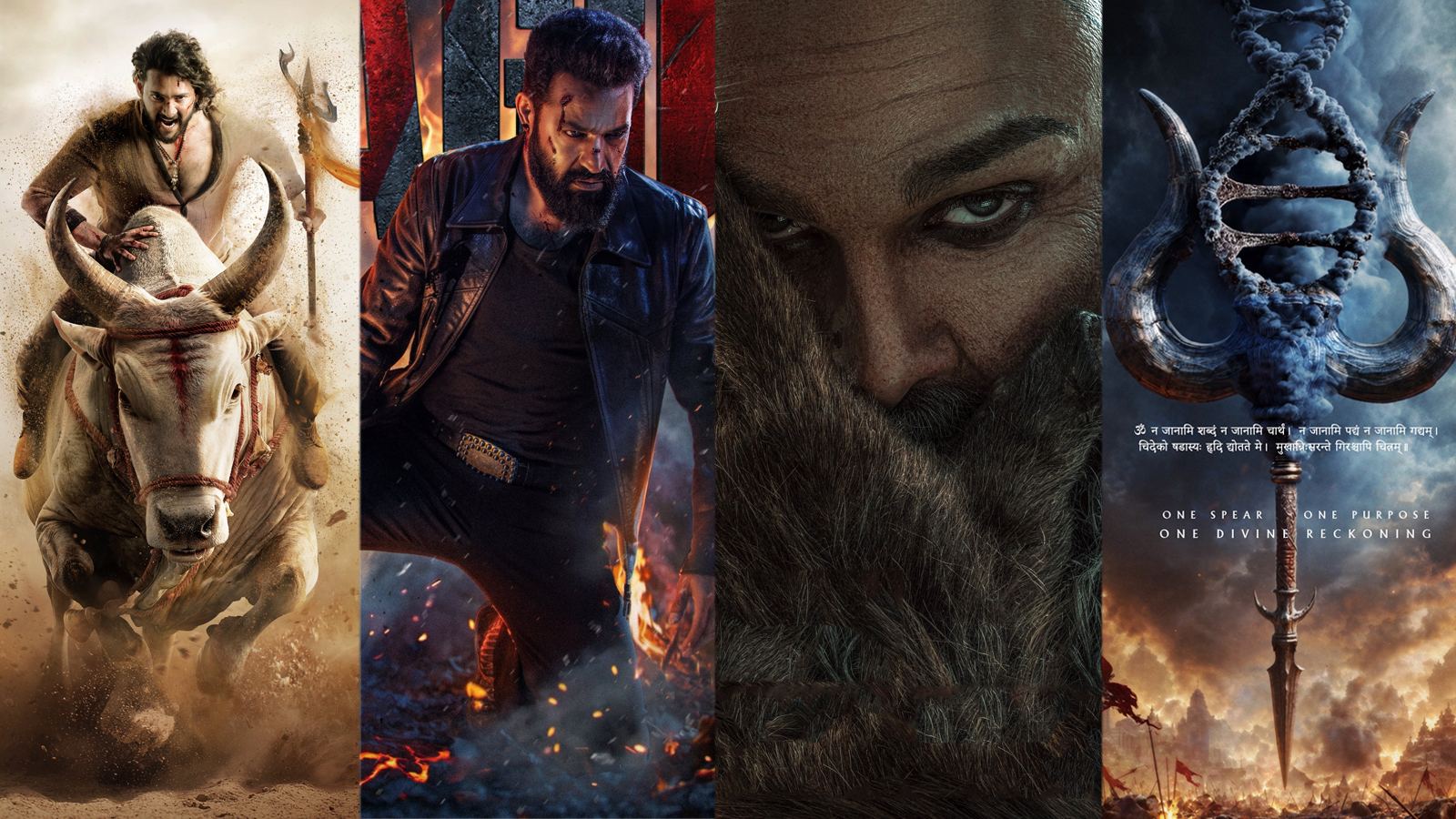
Allu Arjun and Jr NTR had their last releases years ago. Furthermore, Jr NTR‘s project with Prashanth Neel feels like it is taking forever to wrap up. We hardly get to see a big film every two years now.
In sharp contrast, Hollywood uses technological advancements to build speed. With disciplined planning, they deliver world-class blockbusters annually. Studios like Marvel can provide two massive movies in a single year, moving from Spider-Man: Brand New Day to Avengers: Doomsday.
Why is Tollywood taking forever despite having all the resources? The root problem is that technology is being used to fix things later rather than planning early. Films enter a cycle of on-set changes, heavy VFX reworks, and scheduling delays.
Because these multi-hundred-crore projects rest on a single director’s vision and one star’s availability, a minor delay creates a massive domino effect. This current mechanism is testing the patience of the audience.
Technology is supposed to be a tool that wraps things up faster, not an excuse to stretch timelines indefinitely. For Tollywood to sustain its global momentum, it must learn the art of proper planning from Hollywood.
Filmmakers must upgrade their production discipline alongside their technology. Only then can we stop watching generations pass by between releases and finally start enjoying these massive cinematic events on time.