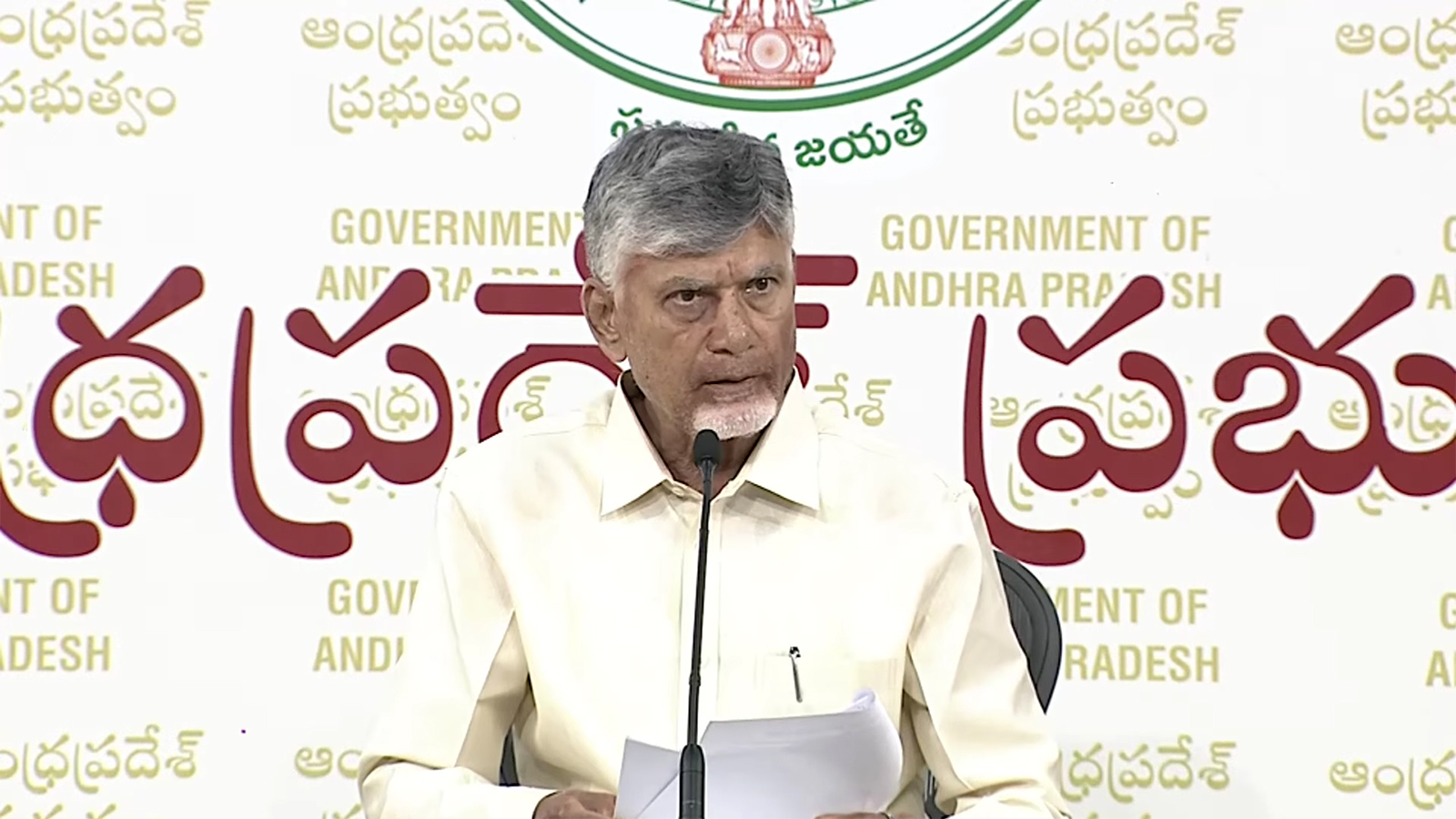
The political landscape in Andhra Pradesh currently feels unusually one-sided.
While governments are often judged for their performance, the strength of a democracy also depends on how effective the opposition is. Right now, that balance seems to be missing. The bigger concern isn’t just who is in power, it’s the absence of a compelling alternative.
And that brings the focus to leadership.
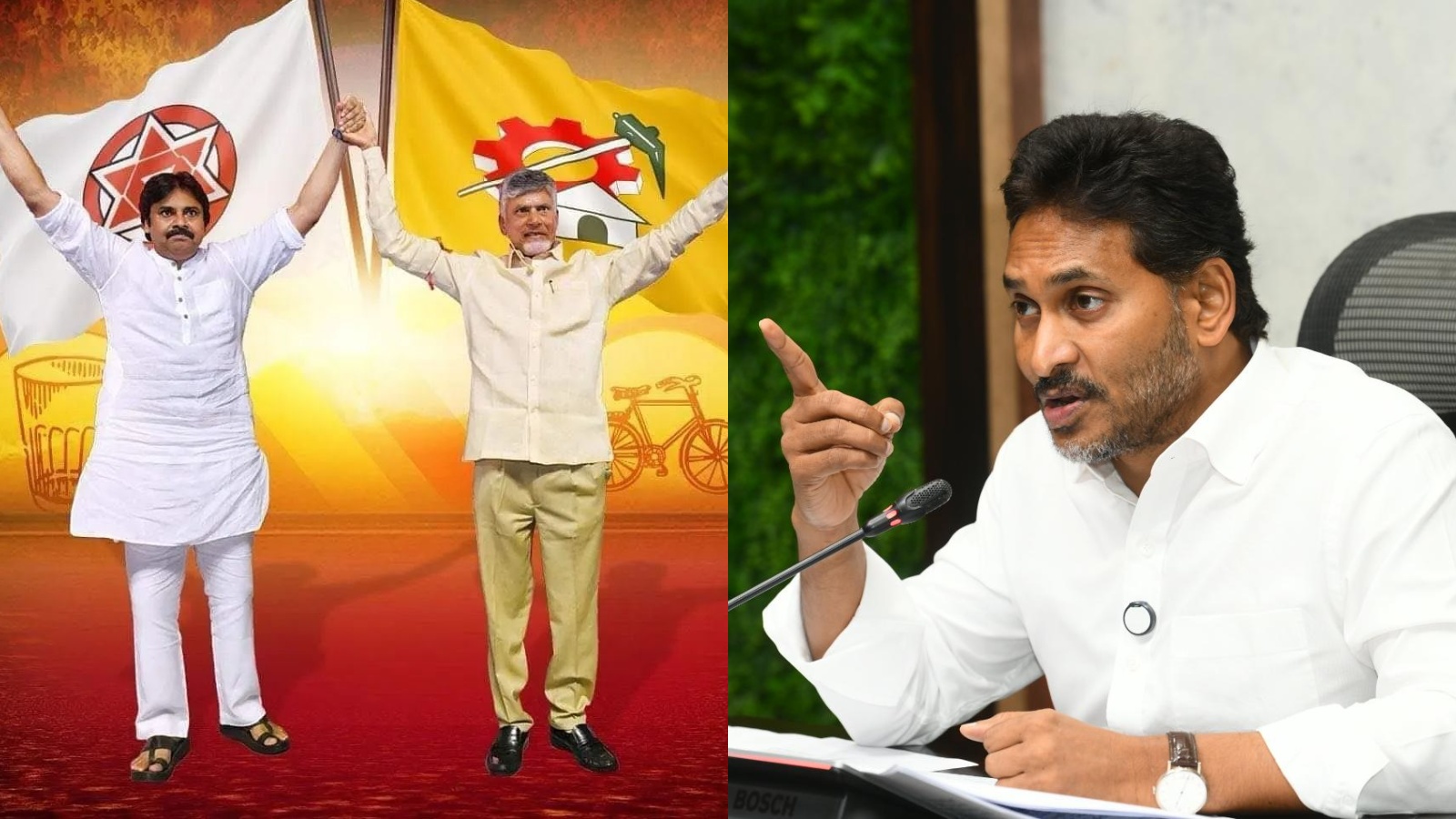
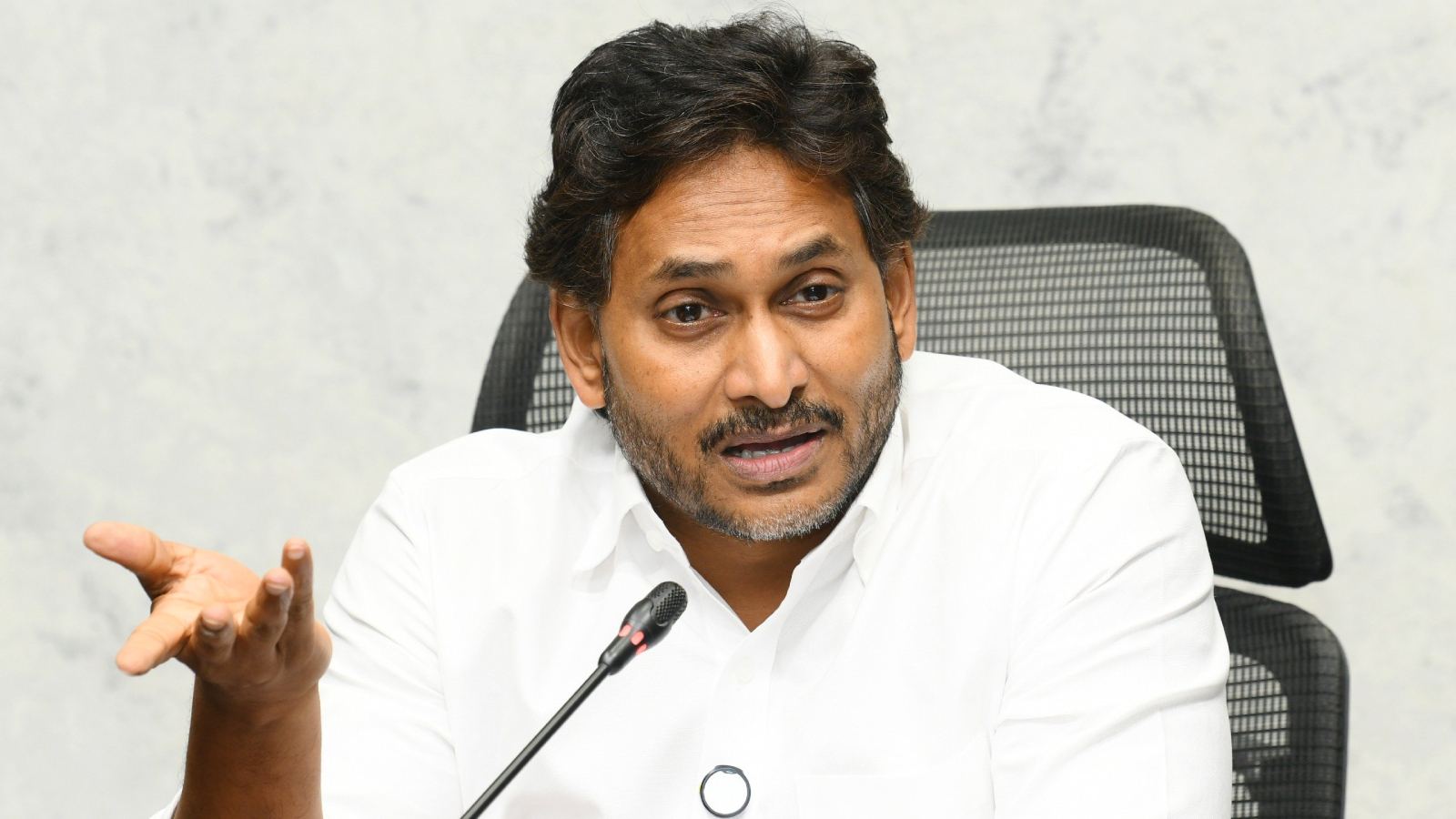
Y. S. Jagan Mohan Reddy continues to hold relevance, but there are growing questions around how actively the opposition role is being played. Consistent presence, especially in forums like the Assembly, is critical to shaping meaningful debate. Without that, the impact of opposition naturally reduces.
Beyond presence, perception also plays a role.
Criticism coming from the opposition needs clarity and depth to resonate. When arguments feel scattered or less focused, they struggle to build momentum among the public. Similarly, alternative proposals, whether related to governance or long-term planning, require strong communication and feasibility to gain trust. Without that clarity, even potentially important ideas fail to create impact.
This is where the contrast with Telangana becomes noticeable.
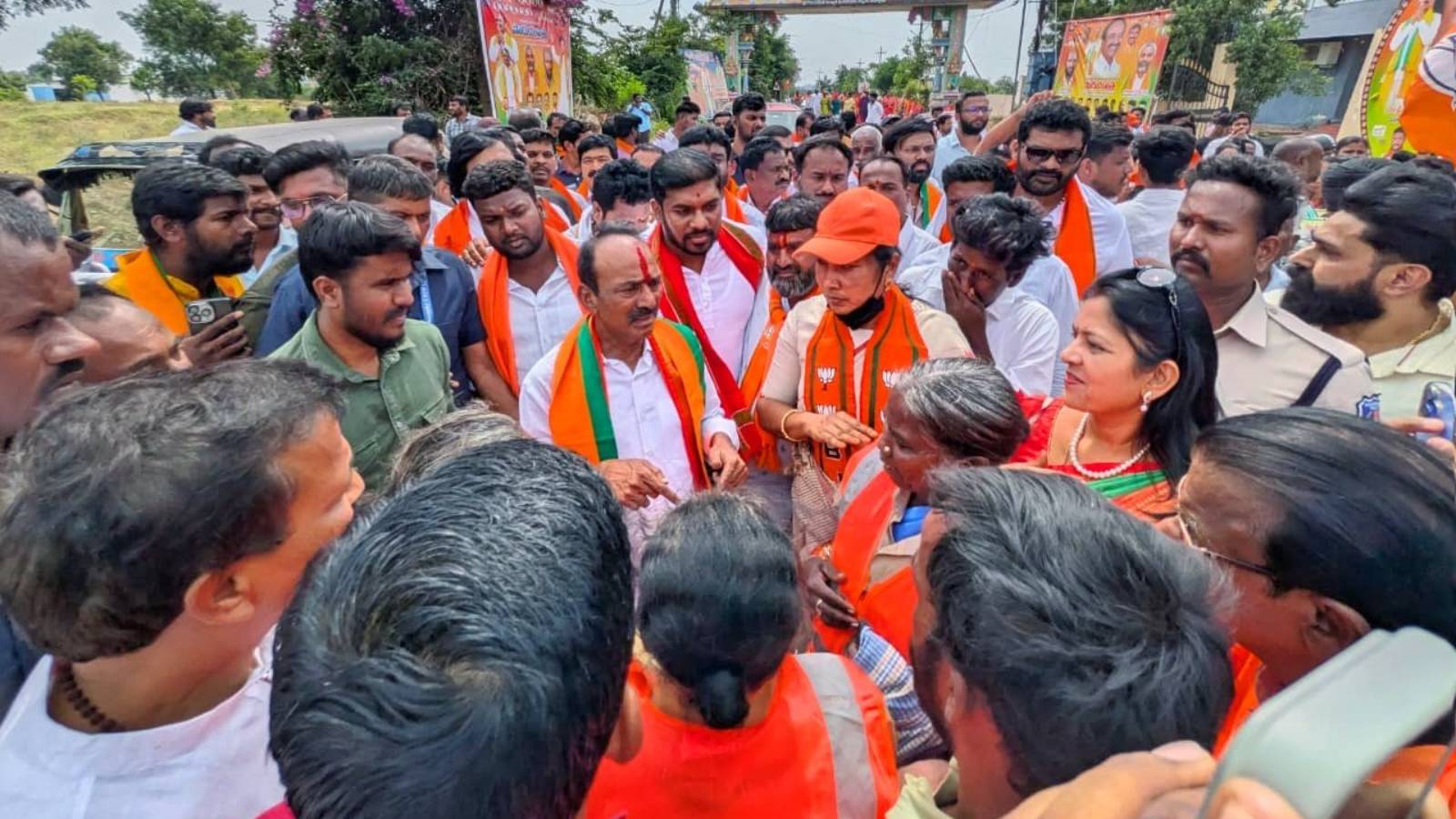
With leaders like Revanth Reddy and K. Chandrashekar Rao, there is visible competition, narrative, and counter-narrative. The political space feels active, with clear alternatives presented to the public.
That competitive energy is currently missing in Andhra Pradesh.
When leadership on either side doesn’t create strong engagement, the entire political discourse becomes limited. It shifts from a dynamic exchange of ideas to a quieter, less effective system.
And that has long-term implications.
Because a strong opposition doesn’t just challenge the government, it strengthens the system itself.
Right now, Andhra Pradesh seems to be searching for that balance.