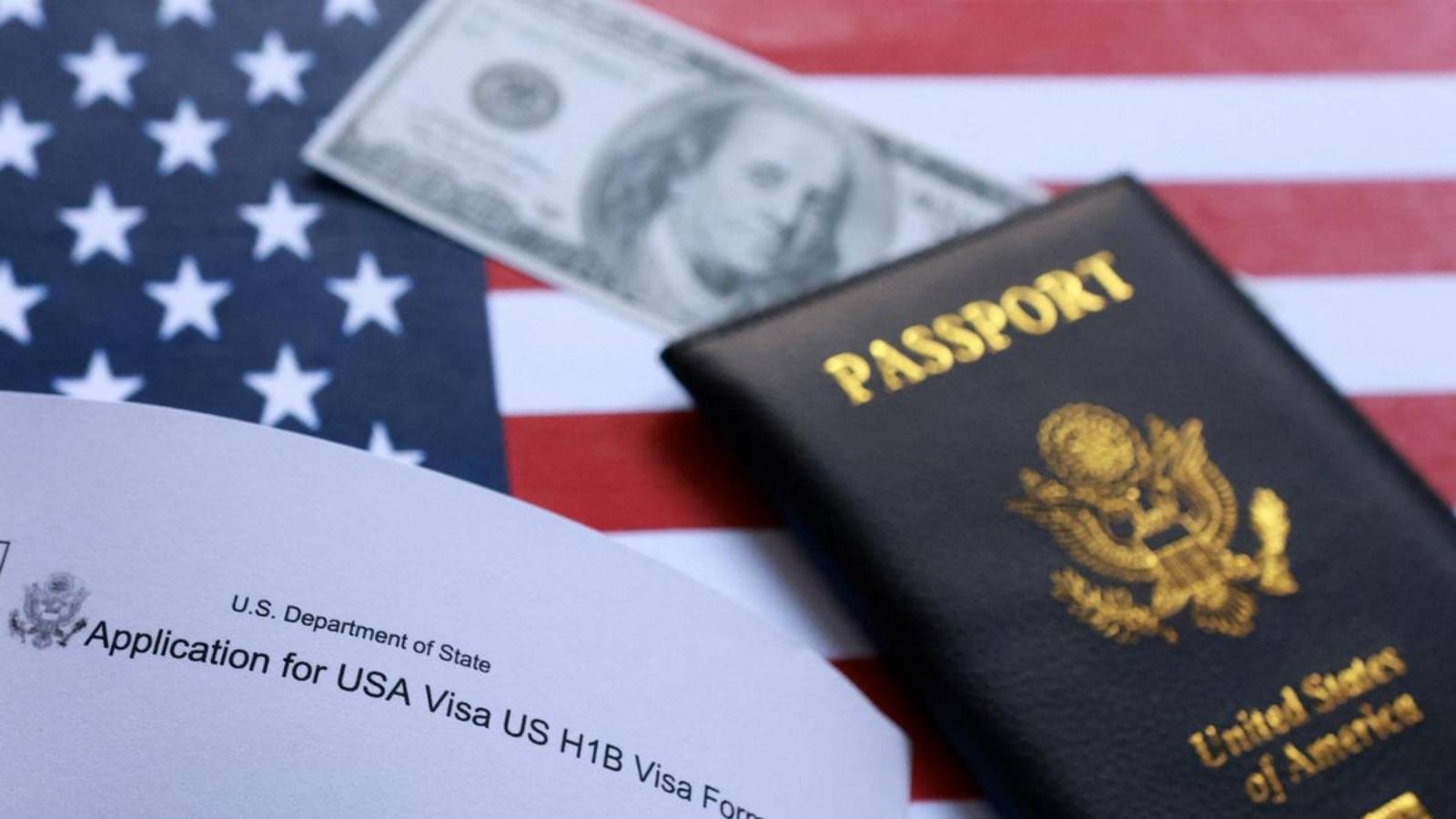
The $100,000 H-1B visa fee, introduced last year as an entry restriction, is now being seen by many as a penalty as well. Several employers and immigration lawyers say it may create serious compliance risks for workers already living in the United States.
Immigration attorney Emily Neumann says the key issue depends on whether a worker has properly maintained H-1B status. Even a small compliance lapse can create major complications during extensions.
If legal status breaks even once, a regular extension request may face deeper scrutiny. When in-country H-1B extensions are denied, cases may move to consular processing from the employee’s home country.
According to the claim, this shift can trigger the $100,000 fee. That possibility has raised concern among visa holders and employers managing immigration filings.
Neumann says one common issue is remote work compliance. An employee may move from one city to another and continue working without updating required records.
If the new location is not covered under the original filing, it may be treated as a violation. A small oversight could then create costly consequences or visa uncertainty.
Another issue may arise when an employee takes on a bigger role with added responsibilities. If the job description or wage details are not formally updated, it could become a compliance concern.
Experts advise workers to stay careful whenever there are changes in job role, salary, or work location. Even minor details may affect future immigration filings.
The report also claims that USCIS is closely reviewing each case and may send applicants to consular processing where required. Workers are being urged to maintain accurate records and timely updates.