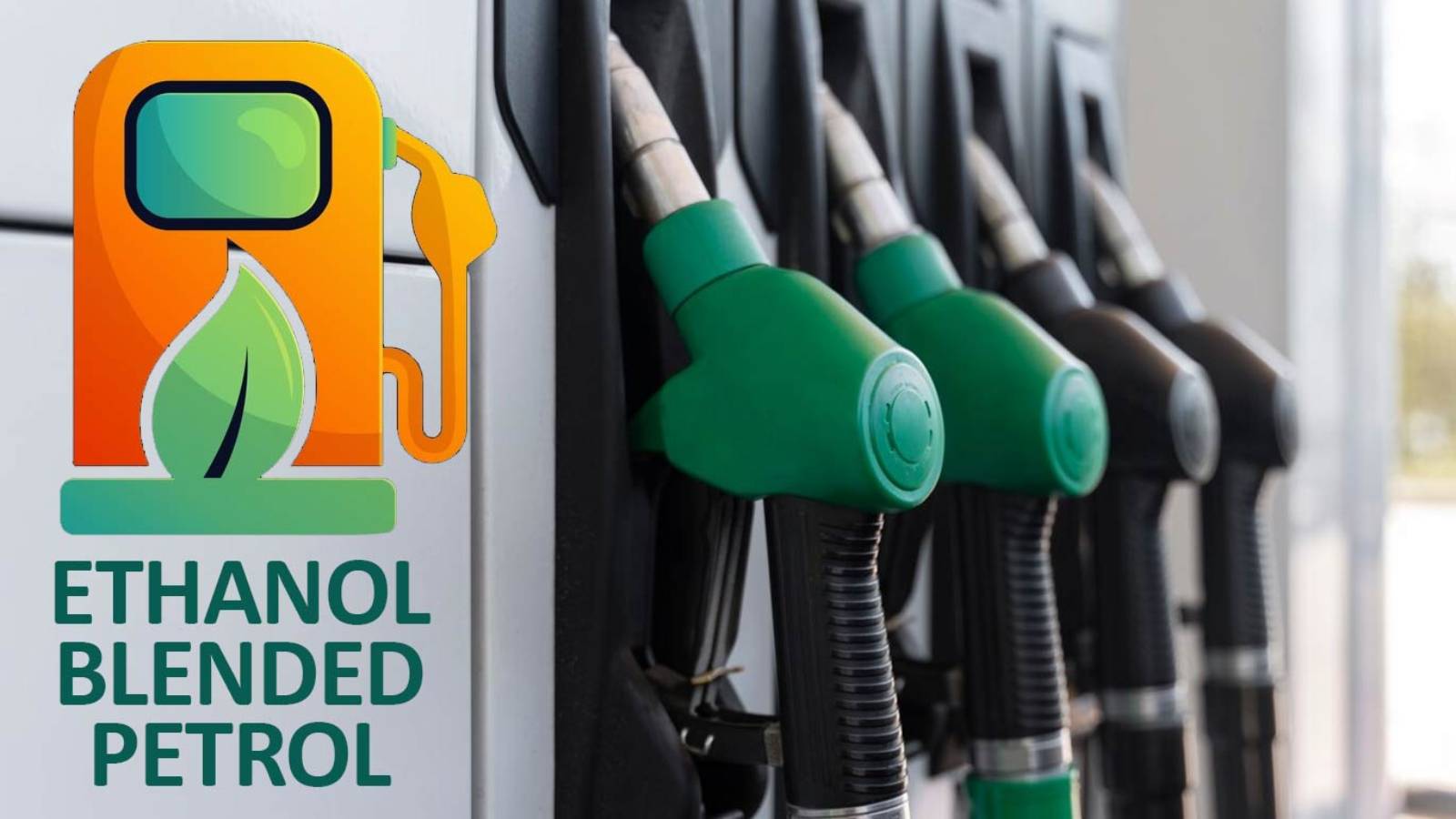
The Government of India has made 20% ethanol blending in petrol (E20) mandatory. Ethanol, extracted from sugarcane, broken rice, and other crops, is used to reduce India’s heavy oil import bill.
India is the world’s third-largest oil consumer, importing nearly 85% of its oil. Ethanol blending is aimed at lowering costs and boosting local agriculture, especially sugarcane farming.
However, many vehicle owners are now complaining about reduced mileage after switching to E20 petrol. On social media, the outrage is growing, with users blaming engine issues on the new fuel.
Except for Honda, no cars manufactured before 2023 in India are officially E20-compliant. Yet, the majority of vehicles on Indian roads are older models.
Experts say E20 petrol may not suit older engines and could cause long-term damage. This has led to concerns from both car owners and automotive experts.
A petition was recently filed in the Supreme Court. The petitioner clarified they support ethanol blending but requested that pure petrol remain available for older vehicles.
However, Attorney General R Venkataramani argued that the petitioner was just a “name-lender” backed by a powerful lobby. He insisted that the policy benefits Indian farmers and that no foreign influence should decide India’s fuel choices.
Following this submission, the Chief Justice of India dismissed the petition.
Many feel the petitioner raised a reasonable concern but was dismissed with what appeared to be a politically charged argument. The court’s decision has added to the public frustration.
Meanwhile, several automobile manufacturers and insurance companies have issued notices. They state that damage caused by using incorrect or incompatible fuel will not be covered under warranty or insurance policies.