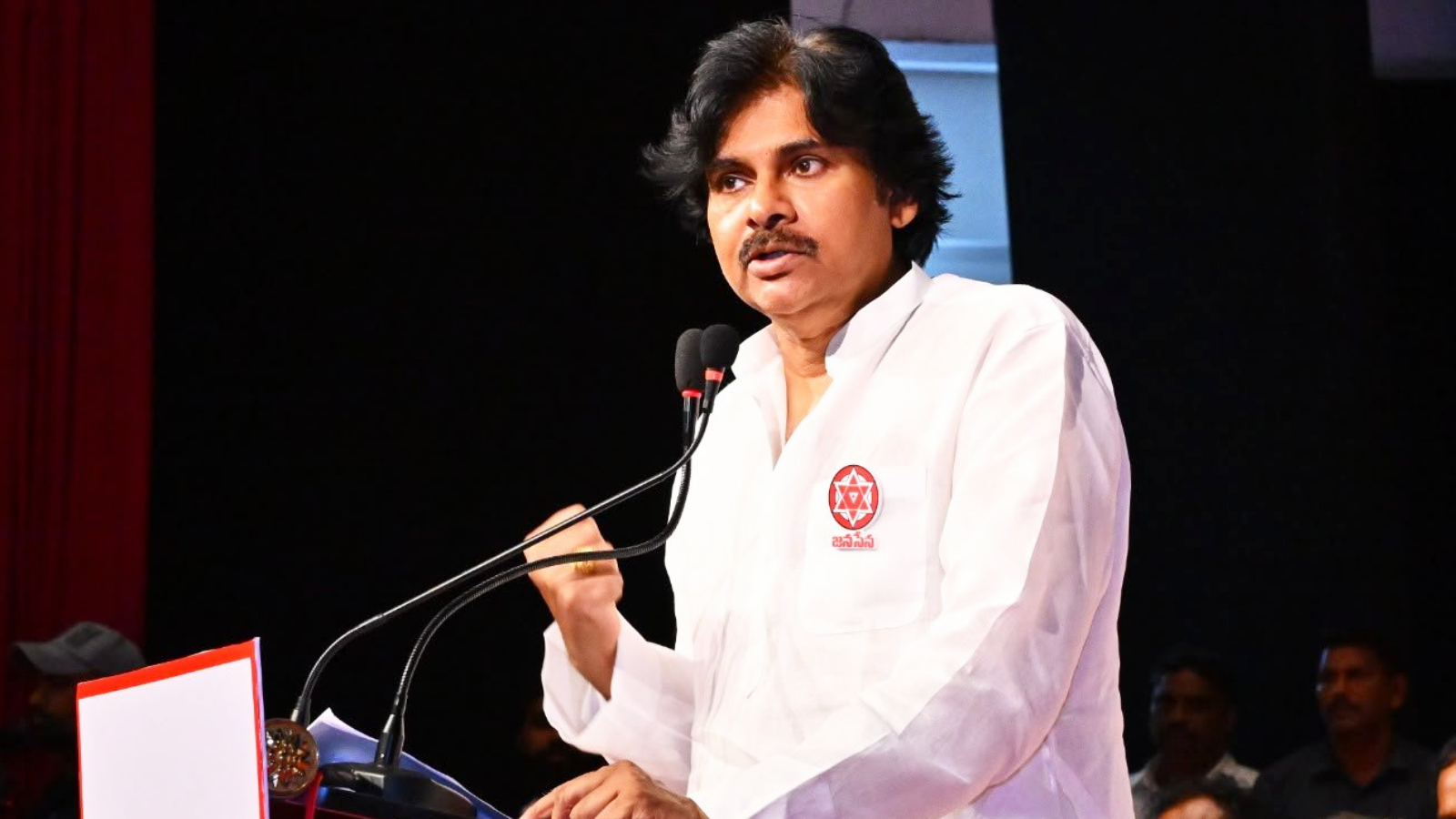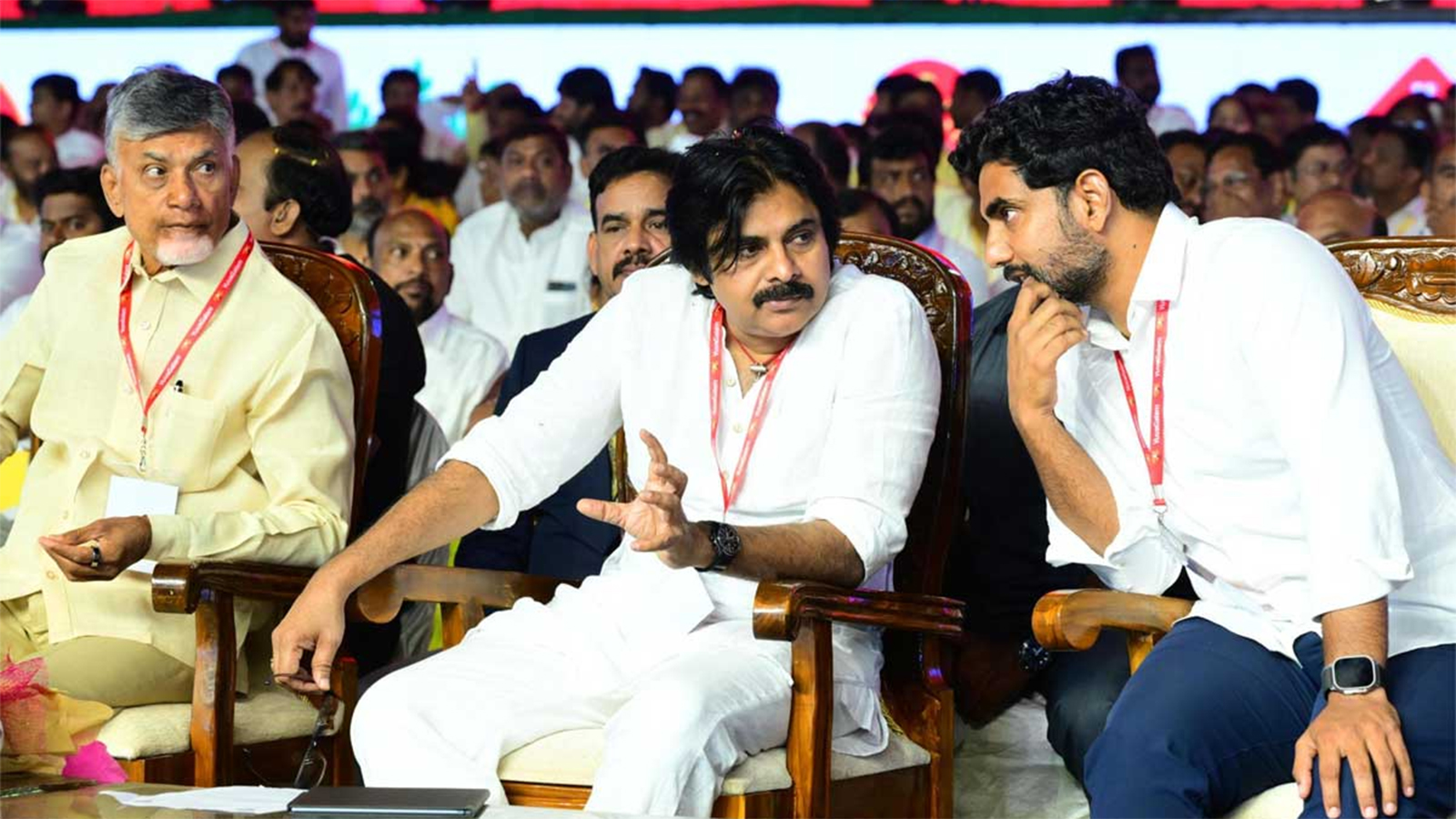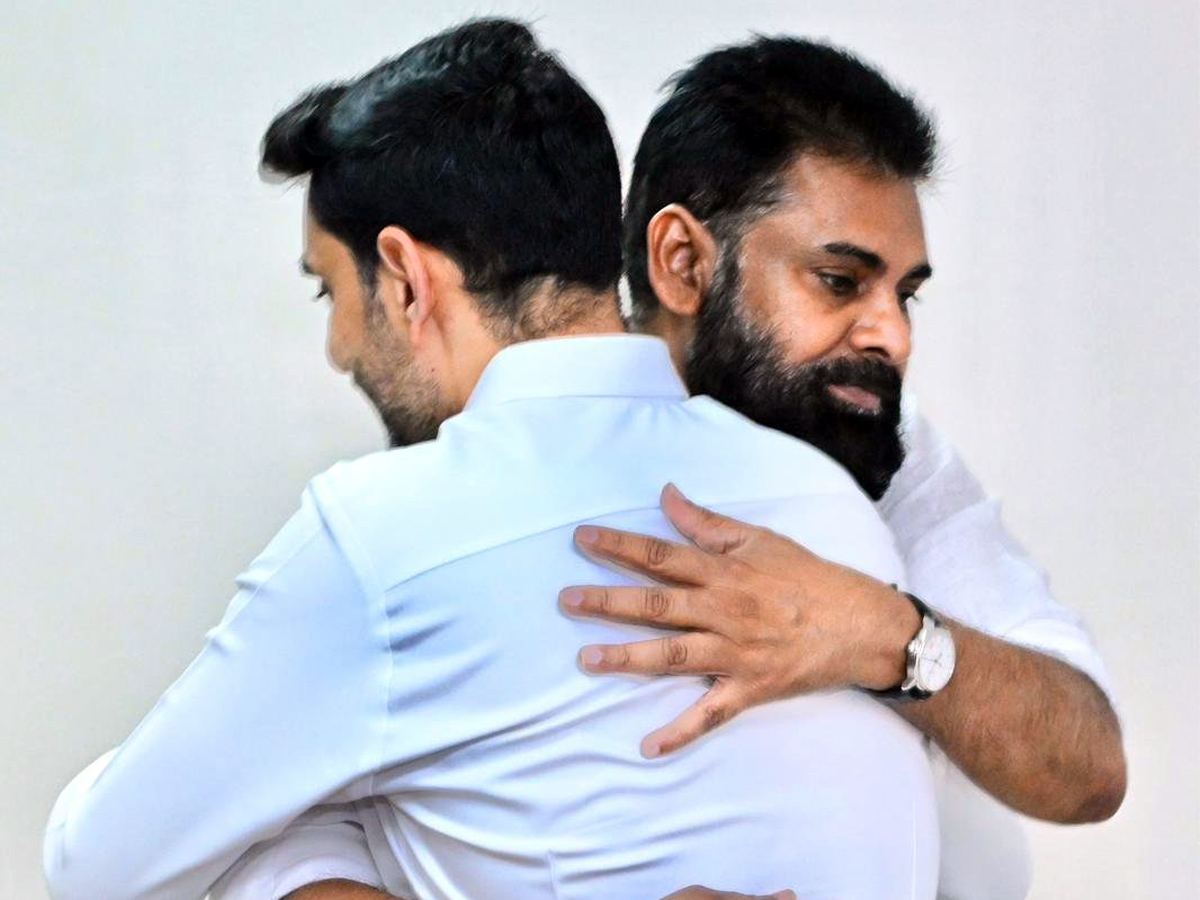
One thing has become impossible to miss in Nara Lokesh’s speeches. Every alternate speech seems to include a reference to Pawan Kalyan, whom he consistently addresses as “Pawan Anna.” It has almost become a template.
The latest example came when someone referred to Lokesh as the “most handsome” person in the Cabinet. Instead of accepting the compliment, he immediately replied that the title belongs to “Pawan Anna.”
At first glance, it may sound repetitive or even forced. But politically, there appears to be a clear strategy behind it.
Interestingly, the group that seems most irritated by Lokesh’s repeated references to Pawan Kalyan is YSRCP supporters. Social media is filled with posts criticizing the tactic and questioning why Lokesh keeps bringing up Pawan Kalyan’s name.
Ironically, that reaction itself may be the biggest indication that the strategy is working.
If repeatedly mentioning Pawan Kalyan were truly a poor political strategy, why would opposition supporters be so bothered by it? Political messaging is judged by the reaction it generates, and in this case, the response from the opposition suggests that the messaging is landing.
The reality is that no political party today can fully control the online narrative. That challenge is even greater for the TDP and Jana Sena alliance because the rivalry between Nandamuri and Mega fan bases often spills into politics. Social media frequently amplifies these divisions, making it difficult to project complete unity.
Lokesh appears to understand this challenge.
By repeatedly mentioning “Pawan Anna” in speech after speech, he is reinforcing a simple but powerful message: at the leadership level, there is not even an inch of difference between TDP and Jana Sena. Regardless of the occasional online fan wars, the alliance leadership stands firmly together.
That message is especially important for the coalition government as it prepares for the next electoral battle. Before asking people for another mandate, projecting unity is essential.
There is another political dimension to this as well.
YSRCP has every reason to hope that the TDP-Jana Sena alliance weakens or breaks. Any visible cracks in the alliance could potentially benefit the opposition electorally. By consistently highlighting his equation with Pawan Kalyan, Lokesh is attempting to deny that narrative any space to grow.
Whether one likes the style or not, the communication strategy is straightforward. A simple, repeated reference to “Pawan Anna” keeps reinforcing the perception of a united leadership, counters speculation about differences within the alliance, and reduces the impact of attempts to create political or fan-driven divisions.
Sometimes, the simplest political messages are the ones that travel the farthest.