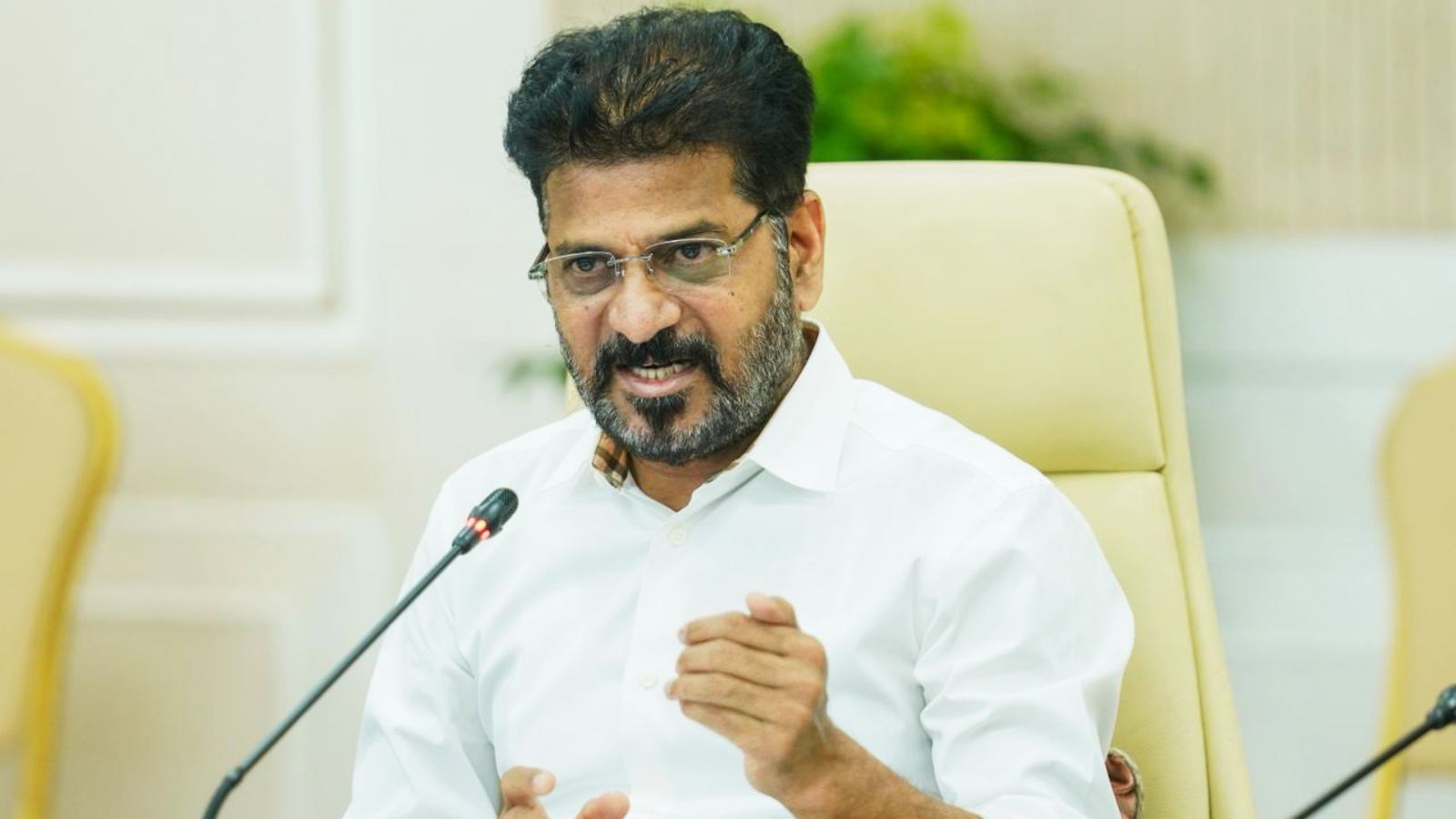
The remarks made by Revanth Reddy on delimitation are not just political statements. They signal a deeper concern about a structural shift in national politics.
By calling the proposed 50 percent increase in Lok Sabha seats a “blow to the South,” Revanth has tapped into a long standing debate. If seat redistribution is carried out purely based on population, northern states like Uttar Pradesh, Bihar, Madhya Pradesh and Rajasthan stand to gain significantly more seats compared to southern states.
His argument is politically sharp. If a few large northern states can collectively influence parliamentary numbers, the role of southern states in deciding who forms the central government could gradually reduce.
This is not a new issue, but the tone has become more aggressive. Revanth’s description of the move as a “final bullet” reflects concerns that this could permanently alter political relevance.
He also expanded the debate by describing the Centre’s approach as a “3D policy”, delimitation, discrimination and devolution. The criticism goes beyond seat numbers and touches on representation, resource sharing and federal balance.
From an analytical perspective, delimitation based on population follows constitutional principles. At the same time, it creates a tension between two competing ideas, population based representation and balanced federal representation.
Southern states argue that they have controlled population growth and improved governance indicators, and should not be penalised for it. Northern states, with larger populations, seek proportional representation.
Politically, Revanth is trying to turn a technical policy issue into a broader regional narrative. By calling for southern unity, he is attempting to build a collective response that cuts across party lines.
The timing is significant. With future elections in mind, delimitation has the potential to become a major political issue in southern states.
Whether this evolves into a coordinated political movement or remains a debate depends on how other southern leaders respond. But one thing is clear. Delimitation is no longer just a policy discussion. It is fast becoming a political battleground.