The rapid expansion of digital connectivity has become a key feature of modern India. Affordable smartphones and cheap internet plans have helped millions go online. People now use the internet for education, entertainment, banking and several government services.
Mobile data usage in India has been rising at a remarkable pace in recent years. This growth has also created new policy questions. Experts are discussing how digital infrastructure should be funded and regulated in the coming years.
Recent data shows that India consumed nearly 229 billion gigabytes of mobile data during the financial year 2024 to 2025. The scale of usage reflects the country’s deep reliance on mobile internet. It also highlights the growing pressure on telecom networks.
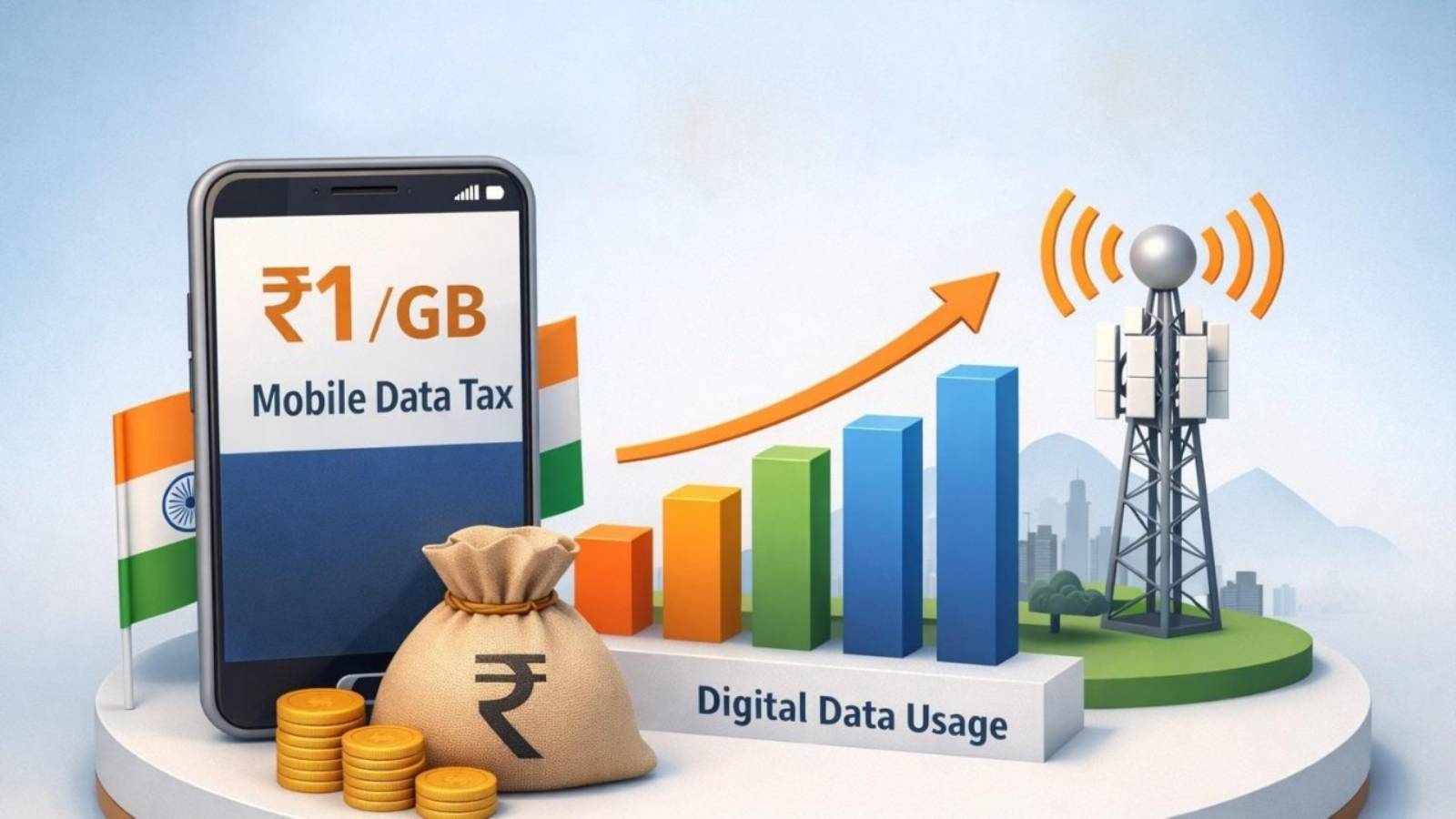
In response to this massive consumption, the government is reportedly considering a small tax on mobile data usage. The proposal is still under discussion. It is being studied as a possible way to generate additional revenue.
Early estimates suggest that a levy of ₹1 per gigabyte could generate around ₹22,900 crore annually. The estimate is based on the current level of mobile data consumption in the country. Officials may formally review the proposal by September 2026.
Supporters of the idea say the revenue could strengthen digital infrastructure. It could also help improve connectivity in rural regions. Better funding may support the expansion and maintenance of telecom networks.
However, critics believe the move could increase costs for internet users. Even a small tax may affect people who rely on affordable mobile data. Cheap internet has played a major role in driving India’s digital expansion.
The debate highlights a larger policy challenge. The government must balance revenue generation with the need for affordable internet access. Any decision will likely consider both economic gains and the impact on everyday users.