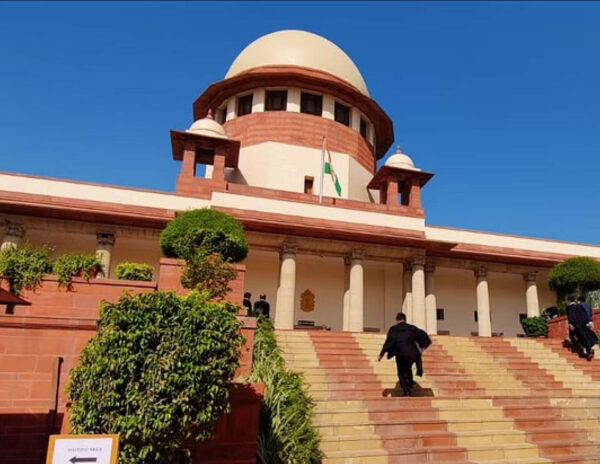
 In a recent development, the Supreme Court declined to entertain a Public Interest Litigation (PIL) advocating for the establishment of a ‘National Commission for Men’ and the formulation of guidelines to address suicides committed by married men who face domestic violence. Justices Surya Kant and Dipankar Datta expressed their disinclination to delve into the matter, emphasizing the need to avoid presenting a one-sided perspective.
While the PIL cited data from the National Crime Records Bureau (NCRB), which highlighted a significant number of suicides among married men, the court stressed the importance of considering a broader picture. It urged the petitioner to provide data on young girls who tragically lose their lives soon after marriage, emphasizing that suicide cases depend on individual circumstances.
The court’s decision has garnered varied reactions from the public. Some individuals believe that the court missed an opportunity to address the specific concerns raised in the PIL. They argue that suicides among married men due to domestic violence require focused attention and dedicated support mechanisms. They view the establishment of a ‘National Commission for Men’ as a potential avenue for addressing the unique challenges faced by men in such situations.
On the other hand,some appreciatee the court’s emphasis on considering a comprehensive view of the issue. They argue that suicide is a complex societal problem affecting individuals from all genders and backgrounds. They believe that a more holistic approach, which considers the challenges faced by married women, young girls, and individuals in general, is necessary to address the underlying causes of suicide and provide adequate support to all affected individuals.
Overall, the court’s decision has sparked a broader conversation about the complexities surrounding suicide and the need for a comprehensive approach. It highlights the importance of fostering dialogue, raising awareness, and implementing inclusive support systems for individuals facing difficulties in their personal lives. By acknowledging the diverse perspectives and experiences related to suicide, society can work towards preventing tragic outcomes and creating a more empathetic and supportive environment for all.