The geopolitical landscape of Telugu politics is witnessing a highly predictable yet telling phenomenon.
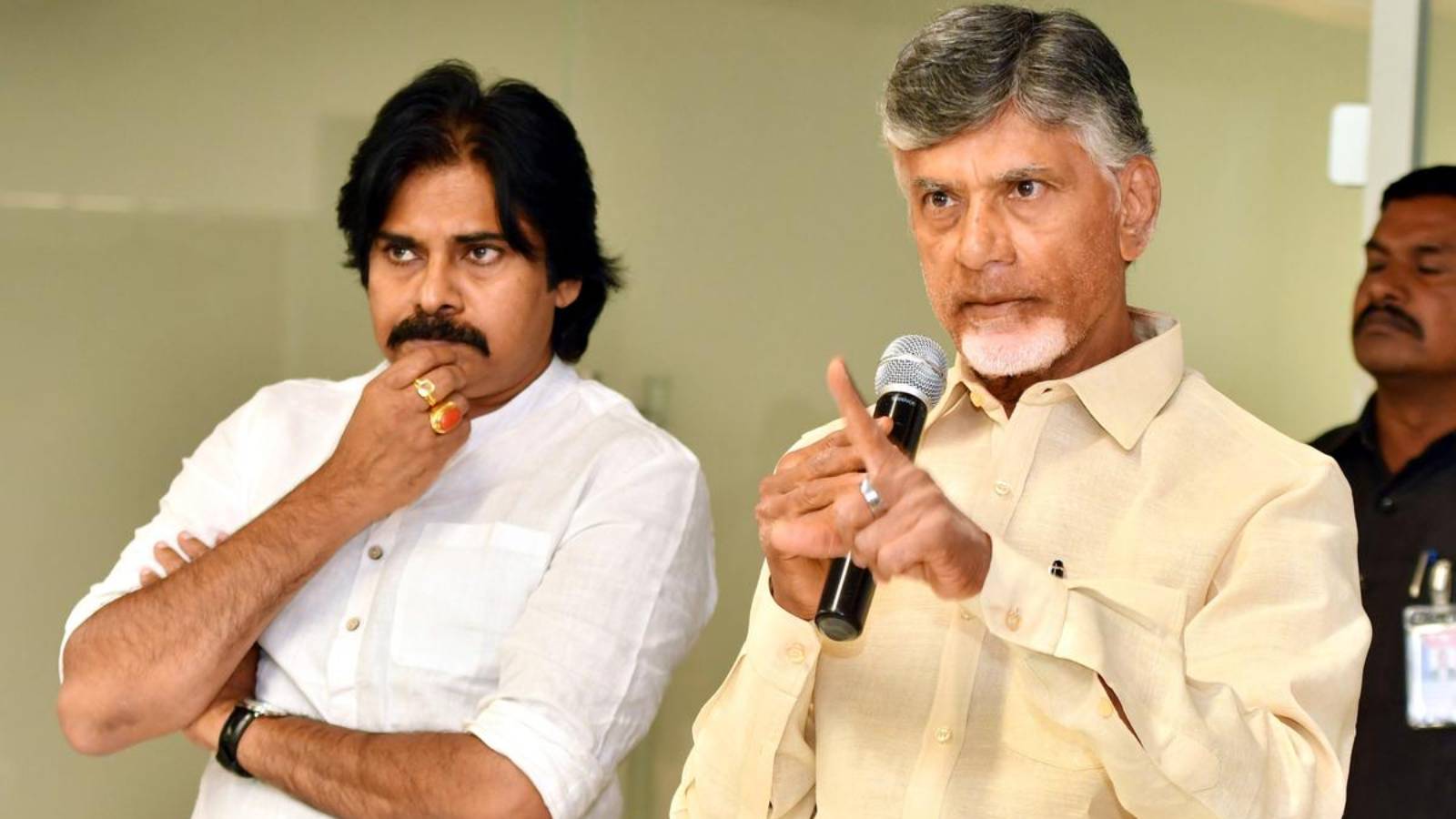
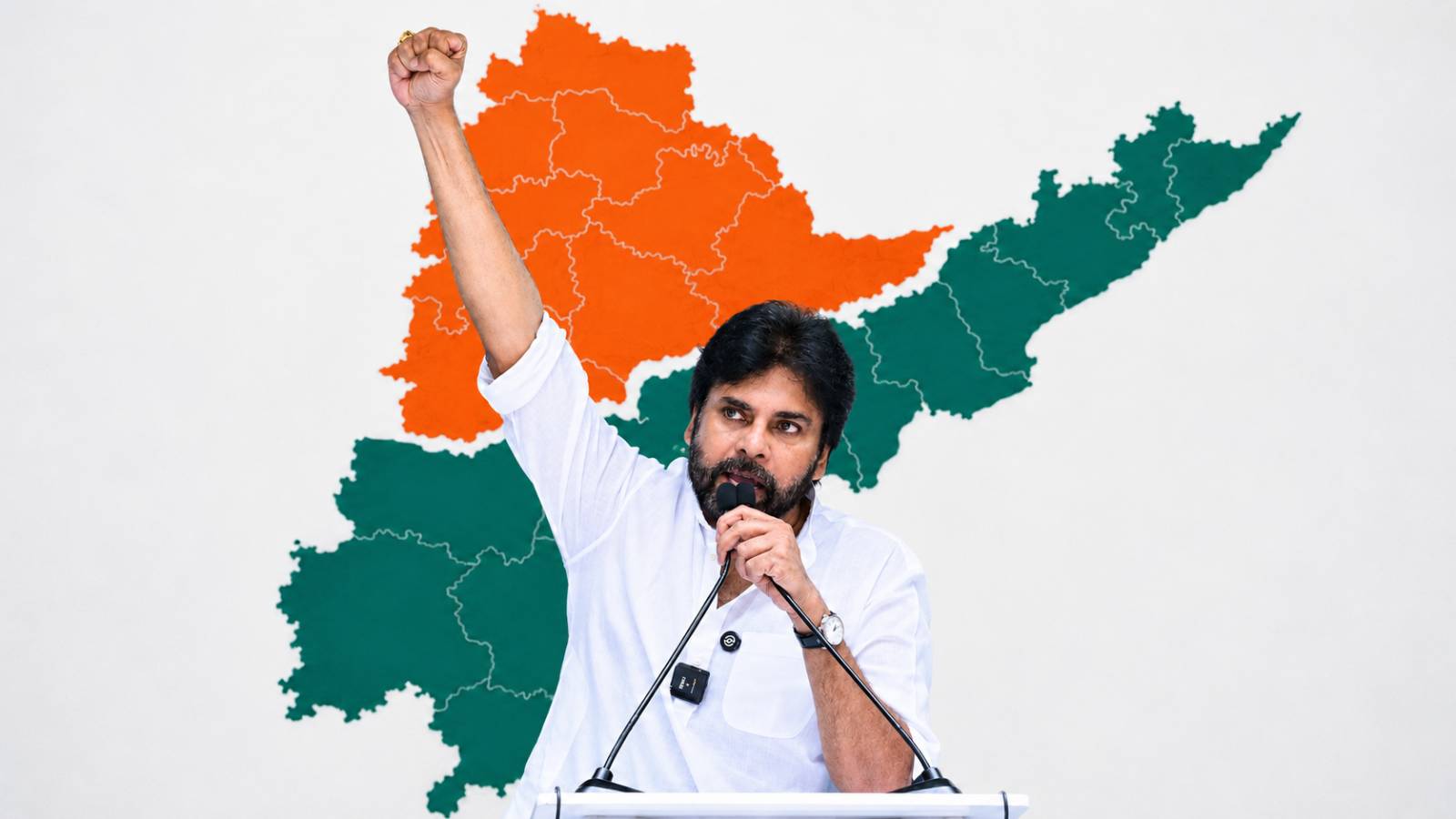
Despite a clear and repeated declaration from Jana Sena Party (JSP) chief Pawan Kalyan that he has no immediate intention to contest elections in Telangana, his mere presence and stated long-term goal of building his party structure have triggered an aggressive defensive reflex across Telangana’s political spectrum.
This collective pushback exposes a calculated strategy rather than simple insecurity: the deliberate revival of regional sentiment as a shortcut to political mileage.
When regional leaders systematically target Pawan Kalyan, it isn’t because they misunderstand his immediate intentions; it is because they understand the mathematics of the GHMC, Khammam, and Nizamabad voter bases perfectly. A significant demographic of neutral voters and cinema enthusiasts in these areas deeply resonate with his ideology.
If left unchecked, an organic growth of the JSP in Telangana directly threatens the consolidated local vote banks. By proactively pushing him away, local leaders are forcing a black-and-white choice upon voters, attempting to paint any alignment with him as a compromise on regional loyalty.
A prime example of this manufactured friction is Telangana Roads & Buildings Minister Komatireddy Venkat Reddy’s aggressive public stance, declaring that the government would introduce strict legislation to completely bar Andhra-based contractors from taking up infrastructure projects in Telangana. This classic protectionist rhetoric is designed to win easy points with local construction lobbies and youth.
However, the irony of this political posturing was quickly exposed by local media. Even as the Minister made these heavy-handed statements, major infrastructure and lining works in his own constituency of Nalgonda were actively being executed by prominent firms headquartered in Nellore, Andhra Pradesh. It proves that the “Us vs. Them” economic barrier is largely fictional, weaponized strictly for public consumption.
The resurrection of the “Andhra Villain” narrative has also become a survival mechanism for new political entities. Following her split and suspension from the Bharat Rashtra Samithi (BRS), Kalvakuntla Kavitha launched her independent political party, the Telangana Rakshana Sena (TRS).
To carve out immediate visibility and momentum for a newly formed regional outfit, a powerful emotional anchor is mandatory. Kavitha has naturally fallen back on the fiery regional rhetoric of the early statehood movement, aggressively positioning recent cross-border political narratives as an encroachment on Telangana’s self-respect.
Making Andhra leaders the focal point of her criticism provides her new party with an instant, passionate battleground to mobilize voters.
Whenever a charismatic figure from Andhra Pradesh gains significant traction or holds massive public attention in Hyderabad, the local political ecosystem sounds the regional alarm.
It is a time-tested playbook. By shifting the public discourse back to “Telangana Pride,” local politicians can effortlessly deflect from internal governance challenges, anti-incumbency anxieties, and complex local issues.
Pawan Kalyan is not being targeted out of a misunderstanding; he is being utilized as the perfect catalyst to keep a highly profitable political narrative alive.