The rise of social media in the early 2000s gave humans a new way to communicate. These early years were about reconnecting, sharing life updates, building communities, and finding entertainment.
With the rise of smartphones and affordable internet, this technology became accessible to everyone—and today, it dominates our everyday lives.
Now, it’s common to wake up and scroll through controversies, post a #wokeuplikethis selfie, or argue with strangers online—all before brushing our teeth.
Social media, meant to connect us, is now often a breeding ground for conflict.
People who once bonded over a shared love for Shah Rukh Khan or Bollywood often find themselves at odds the moment political views or religious identities come into play. What started as connection quickly turns into conflict.
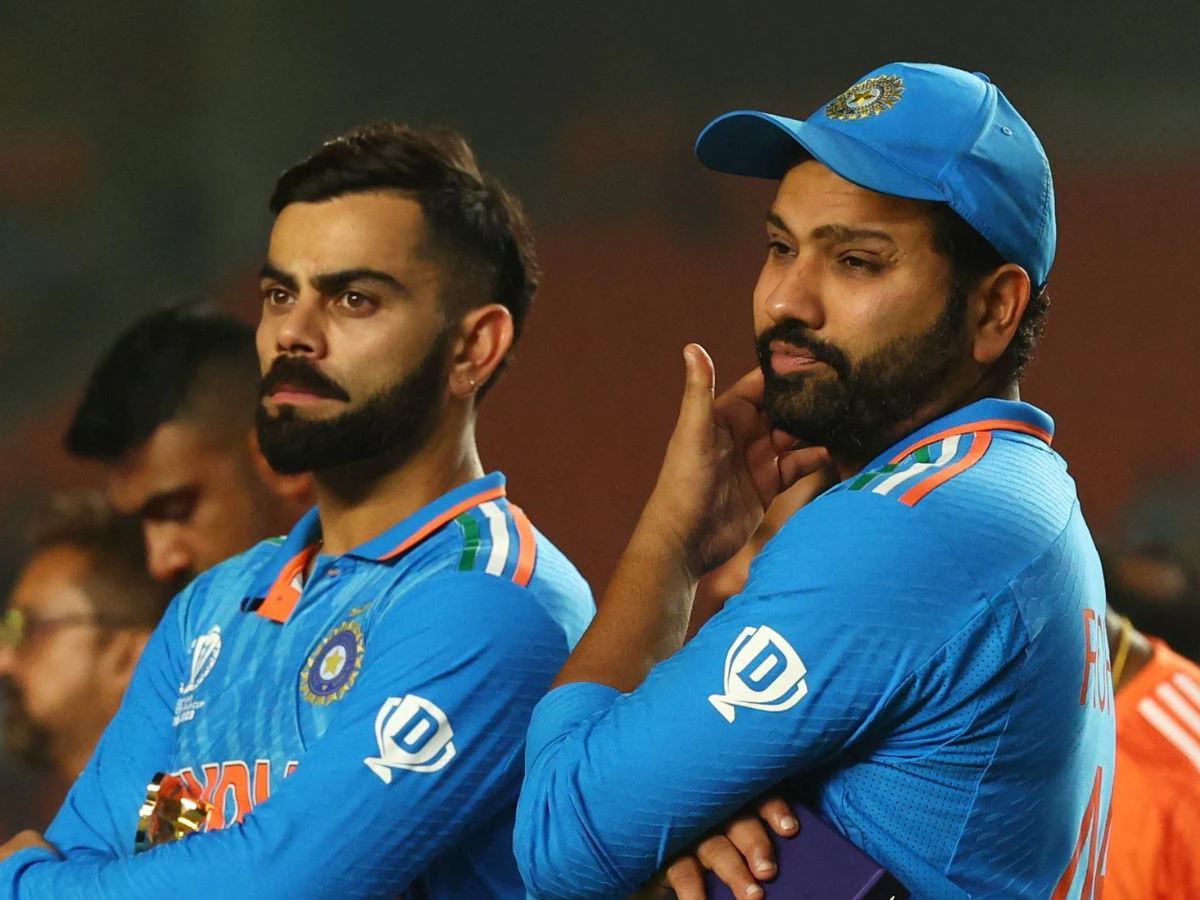
Even celebrity fandoms have become battle zones. Fans of one actor or cricketer are expected to dislike those of another.
Take Virat Kohli and Rohit Sharma as examples—despite their visible friendship off the field, whenever they play on opposing teams, their fans go at each other’s throats, trading insults and accusations as if they were the ones on the ground.
What we might sometimes ignore or even overlook in real life becomes amplified online.
Algorithms feed us what we already agree with, locking us into ideological bubbles. And when someone disagrees, we instantly view them as an enemy.
Even a harmless correction of facts can spiral into a fight over who’s right and who’s wrong.
Instead of genuine stories, we see curated lifestyles, aggressive content creation, and constant advertising. The pressure to perform has taken over the freedom to just be.
Worse, platforms are weaponized to spread misinformation, manipulate public opinion, and cancel people—essentially exiling them from digital society.
We all feel the weight of this shift. And yet, we can’t look away.
While we may not be able to quit social media entirely, we can choose to be kinder—even in disagreement. We may never find completely like-minded people, not in real life and especially not in an anonymous space like the internet, but we can still respect differences.
It’s important to remember social media’s original power was to connect us, not divide us. While debates and discussions are essential, sometimes sipping some water, looking outside, and realizing that’s your reality can be relieving.