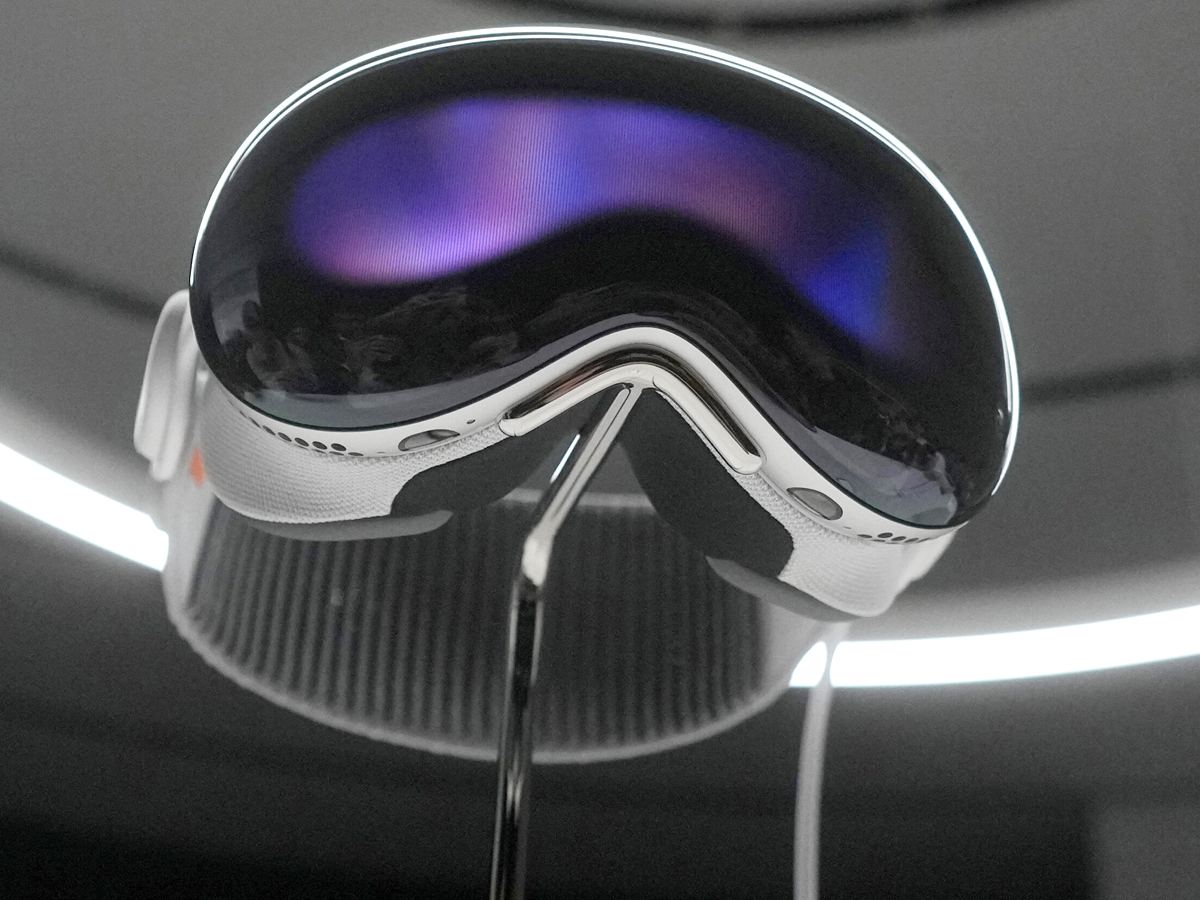
The Vision Pro headset, marks a pivotal moment in technology, ushering in the era of spatial computing. Tim Cook’s enthusiasm about users experiencing the magic is not just hyperbole; it reflects Apple’s strategic shift towards a transformative technology that blends the physical and virtual worlds seamlessly.
Unlike its competitors, Apple has consciously avoided the terms “augmented reality” and “virtual reality,” opting for the more encompassing “spatial computing.” This nuanced approach aims to redefine human-computer interaction, merging the physical and digital realms. Cathy Hackl, a respected industry consultant, emphasizes that spatial computing is set to revolutionize interfaces across various devices, from cars to watches.
The Vision Pro, priced at $3,500, may seem niche initially, but history suggests that Apple has a knack for turning seemingly specialized products into mainstream phenomena. With over 600 apps designed for immediate use on the headset, ranging from entertainment to productivity tools, Apple is poised to create a robust ecosystem around spatial computing.
However, as technology evolves, concerns arise. The immersive nature of spatial computing could potentially exacerbate screen addictions and deepen digital dependence, reminiscent of the societal impact observed since the iPhone’s introduction.
While Google and Meta Platforms also delve into spatial computing, Apple’s marketing prowess positions the Vision Pro as a potential trendsetter. Despite the concept being around for two decades, the Vision Pro’s advanced features, such as high-resolution screens and intuitive hand gestures, showcase Apple’s commitment to adapting technology to users, making it a natural extension of human interaction.