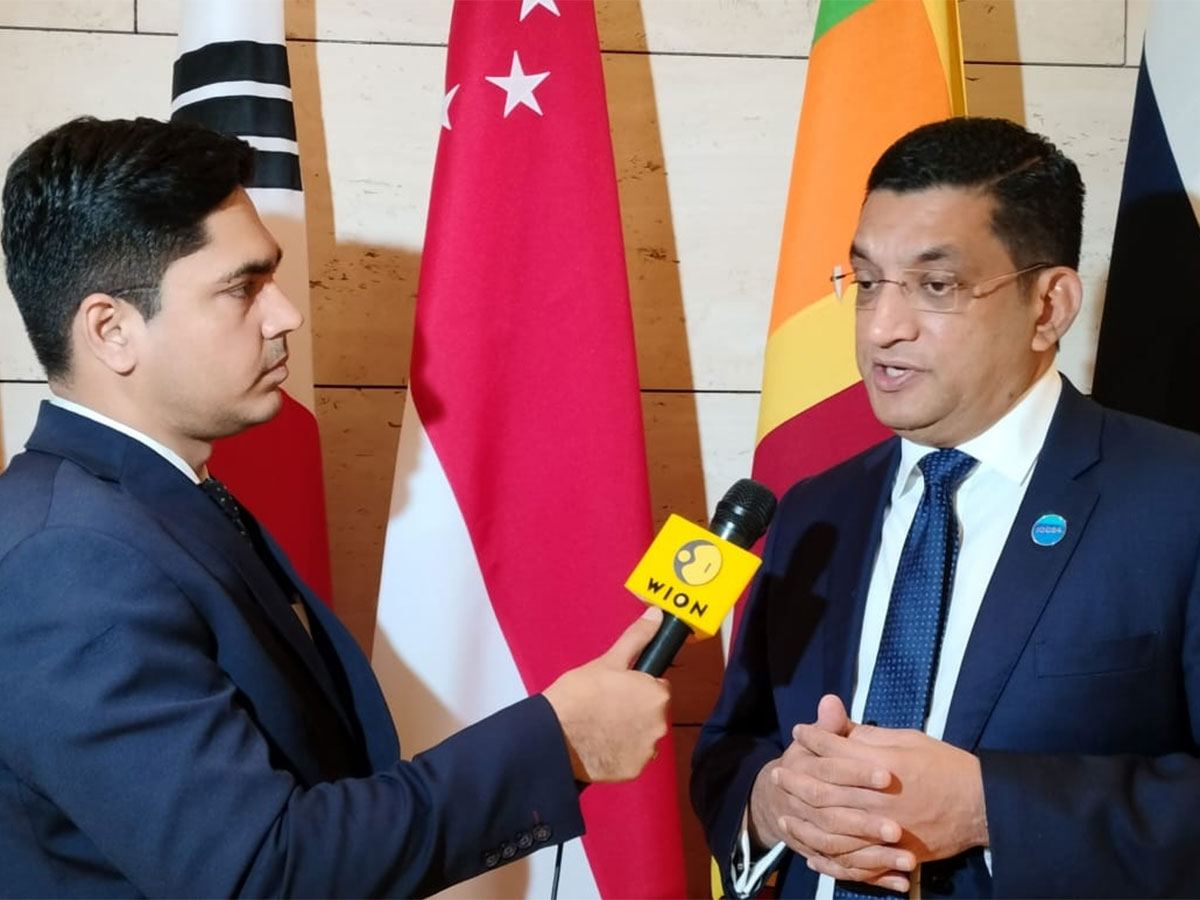
India’s Unified Payments Interface (UPI) in Colombo on February 12th, amidst the virtual presence of Indian Prime Minister Narendra Modi and Sri Lankan President Ranil Wickremesinghe, has stirred both anticipation and skepticism within diplomatic circles.
While touted as a symbol of enhanced bilateral cooperation, the timing of this event amidst geopolitical tensions in the region raises eyebrows. Critics argue that India’s strategic move could be perceived as an attempt to deepen its influence in Sri Lanka, a nation historically caught in the crosshairs of regional power dynamics.
Moreover, concerns linger regarding the potential economic ramifications for Sri Lanka. The introduction of UPI, a digital payment system synonymous with India’s burgeoning fintech sector, could disrupt local financial ecosystems and pose challenges to Sri Lanka’s own payment infrastructure.
Furthermore, the virtual format of the event underscores the limitations imposed by the COVID-19 pandemic on traditional diplomatic engagements. While virtual connectivity offers efficiency and convenience, it lacks the personal touch and symbolism integral to diplomatic exchanges.
While the launch of India’s UPI in Colombo signifies progress in Indo-Sri Lankan relations, it also raises pertinent questions about sovereignty, economic dependency, and the evolving landscape of diplomatic engagement in the digital age.