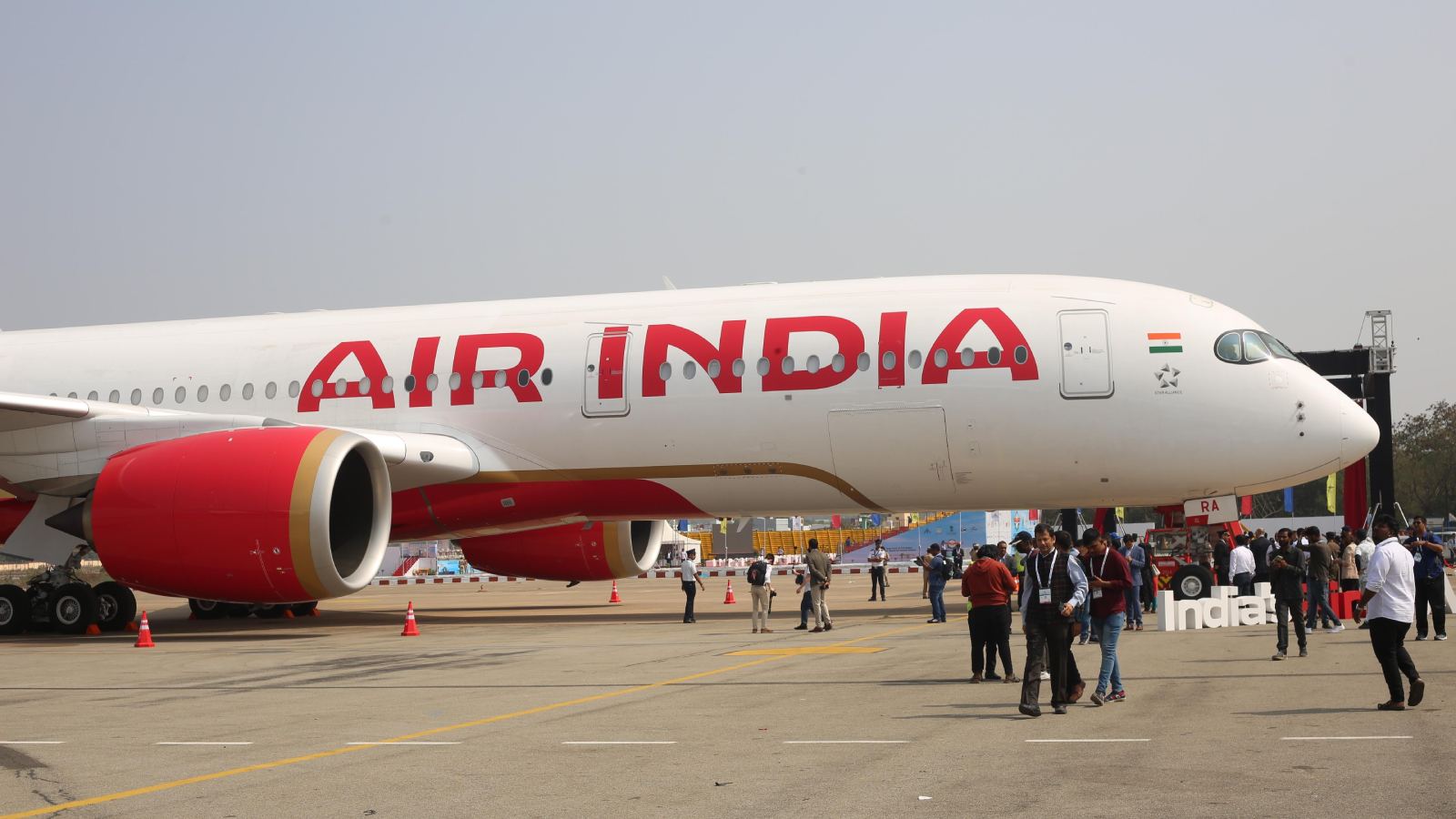
Air India is facing regulatory scrutiny after the European Aviation Safety Agency flagged safety lapses during surprise inspections at European airports. The findings have raised concerns about compliance and operational standards.
The issues were reported to India’s Directorate General of Civil Aviation, which initiated immediate corrective measures. Authorities moved quickly to address the identified gaps.
Inspection data showed that Air India’s safety finding ratio reached 1.96 in January 2026. This is close to the critical 2.0 threshold linked to the EU Air Safety List.
Crossing this limit could lead to serious consequences, including a possible operational ban in European airspace. This has increased pressure on the airline to act swiftly.
Around 54 issues were identified during inspections. These included concerns related to technical documentation, crew licensing, and cabin safety equipment.
Several problems were linked to the ageing wide body fleet. Aircraft such as the Boeing 777 and Boeing 787 were part of the findings.
Reported defects included worn emergency markings and damaged seats. Delays in a 400 million dollar fleet refurbishment programme also contributed to the situation.
Following DGCA intervention, stricter checks were introduced. Aircraft were cleared only after fixing the identified faults.
These corrective steps helped bring the safety finding ratio down to 1.76. This improvement has helped Air India avoid immediate regulatory action.
However, continued monitoring remains important. The airline will need sustained investment in fleet upgrades and strong operational discipline to rebuild global trust.