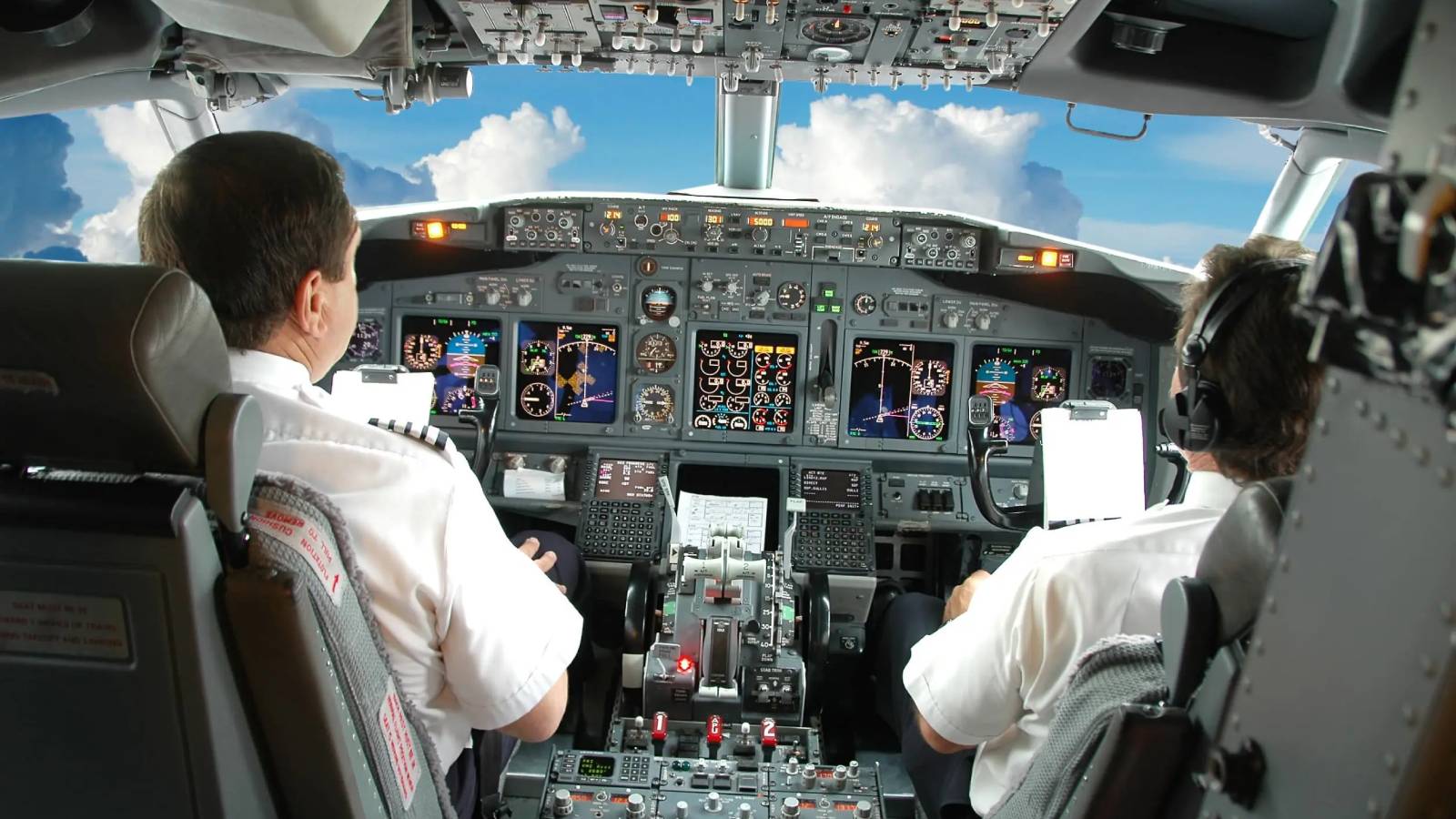
Airline pilots operating across the Middle East are facing a growing dilemma. Ongoing regional conflicts are raising serious safety concerns. Many pilots now feel uncertain about flying through airspace that can turn volatile without warning.
According to the International Federation of Air Line Pilots’ Associations, pilots from countries such as India and Lebanon have expressed strong anxiety. The fear mainly stems from unpredictable missile or drone activity that can disrupt flights at any time.
This situation puts pilots in a difficult position. Refusing assignments may lead to professional consequences. These can range from loss of pay to even termination in some cases.
Ron Hay, president of the federation and a captain at Delta Air Lines, pointed out a deeper issue. He stated that such pressure reflects a weak safety culture where pilots may hesitate to prioritise their own well-being.
At the same time, airlines continue to defend their operations. They state that flights are being conducted through regulated corridors and under strict safety protocols to minimise risk.
The International Civil Aviation Organization has also raised concerns about the situation. It has described mental health risks in conflict zones as safety critical, as stress and fatigue can affect a pilot’s judgement.
Despite attempts at temporary ceasefires, uncertainty remains high. Some regulators have extended flight restrictions, while others continue to allow operations in certain regions.
Over time, prioritising operational continuity over pilot safety could damage trust in aviation systems. This makes it crucial for airlines and regulators to build an environment where safety concerns can be raised without fear.pilots flying in conflict zones