Even a simple family trip to the US can turn into heartbreak at the visa counter. An elderly Indian couple, close to 80, who wanted to attend their granddaughter’s wedding in the US were recently denied a B1/B2 visa at the US consulate in Mumbai.
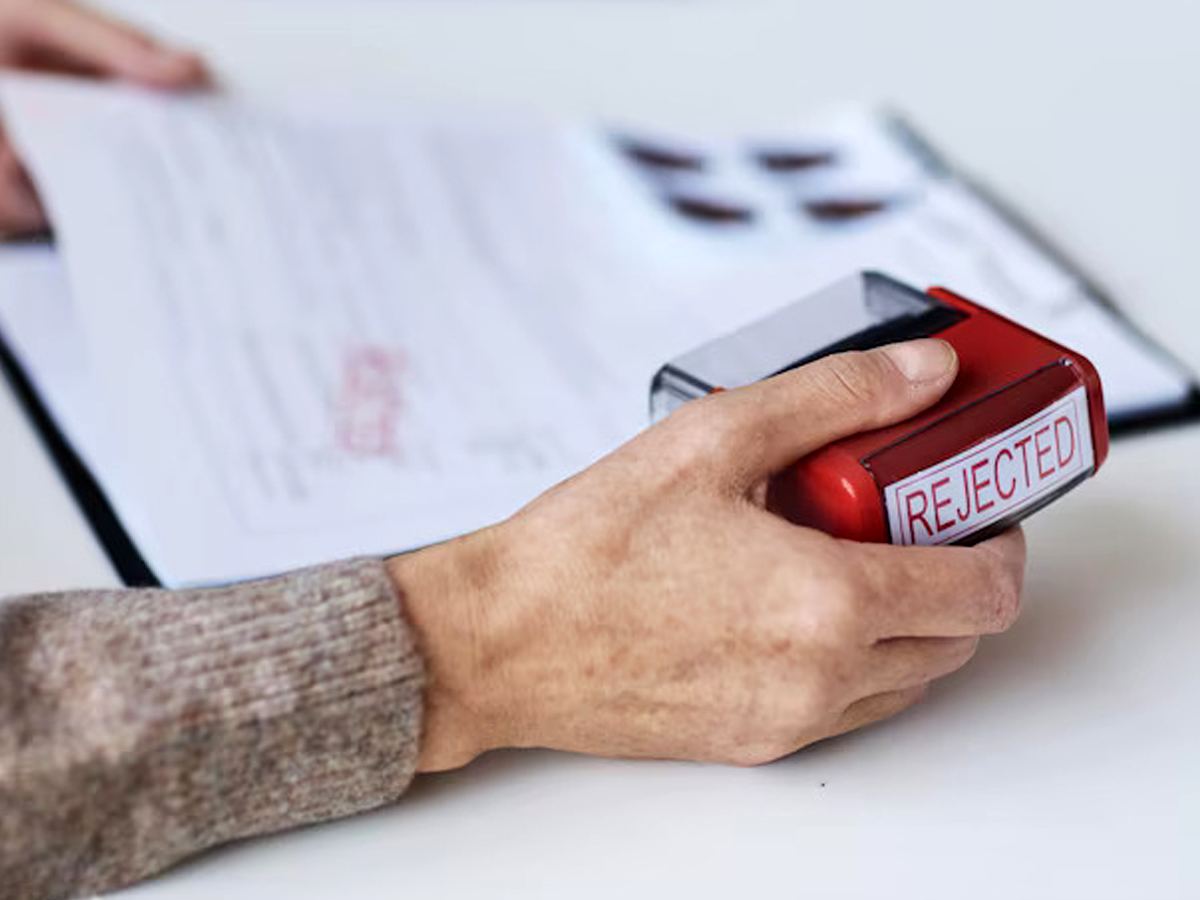
Their answers were straightforward and honest. Their daughter lived in the US, and they said they’d stay for 15–20 days. But just minutes later, they were handed the dreaded rejection letter under Section 214(b).
Some say the problem was in how they answered. By stressing that their daughter and granddaughter live in the US, the visa officer may have seen it as a red flag that they too might want to settle there.
There could also be a mismatch between the interview answer and what was written in the DS-160 form. If they mentioned a different trip duration in the form than what they told the officer, it could trigger suspicion.
Unfortunately, many elderly applicants don’t even realize how crucial every word is. They’re not trained to “perform” during interviews, and it costs them. At that age, they’re hardly “flight risks.” Yet, the system often fails to see that.