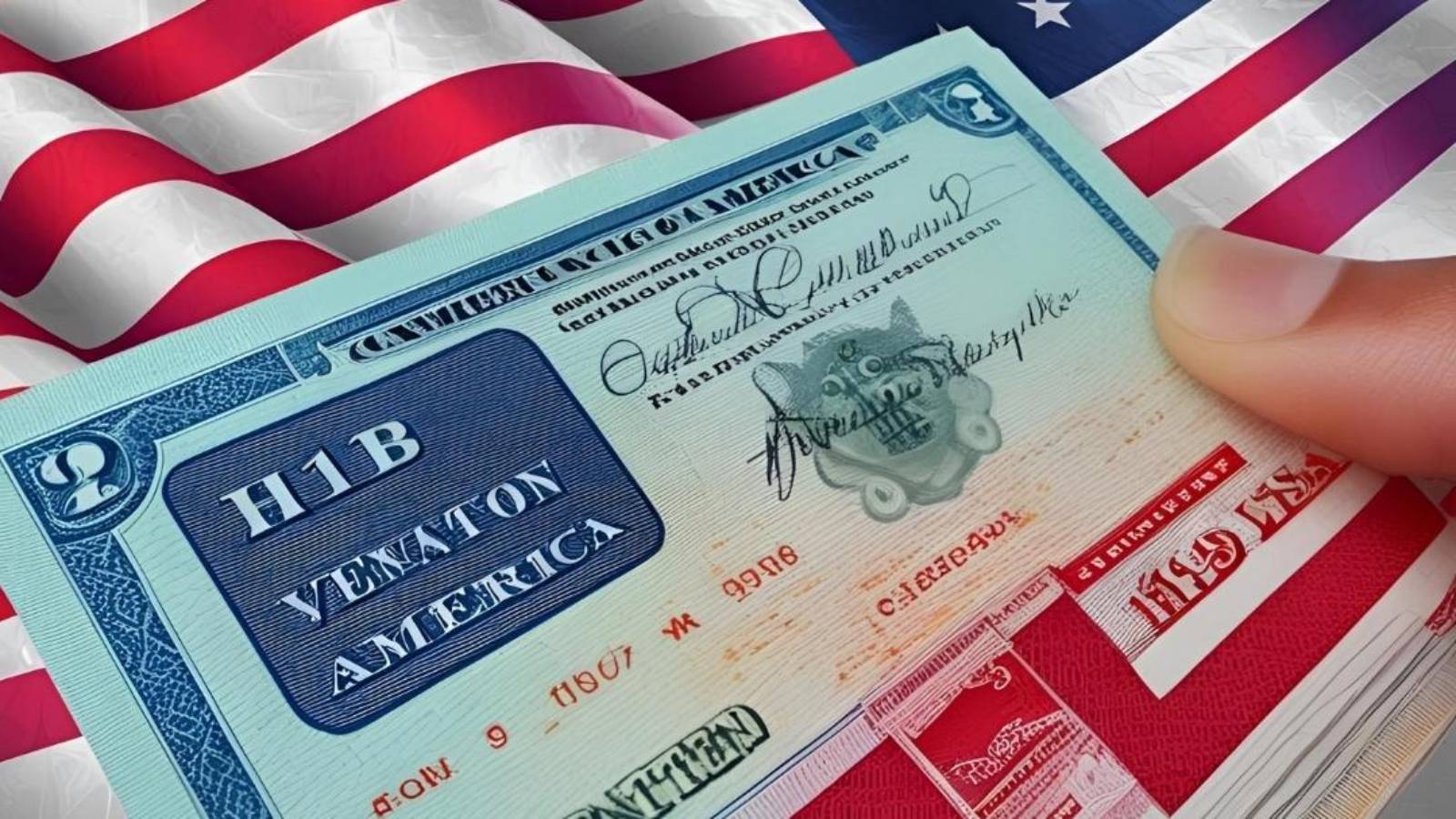
Donald Trump’s administration is facing fresh scrutiny over H-1B visa approvals despite continuing its strict immigration policies. New USCIS data shows that approval rates have reached record levels during Trump’s second term in office.
According to the reported figures, the H-1B approval rate has touched 97.6% after one year under the current administration. This is significantly higher than the average approval rate recorded during Trump’s first term and also above the levels seen during Barack Obama’s presidency.
Reports indicate that nearly 393,127 H-1B petitions were approved out of approximately 402,770 processed applications during FY 2025-26. The current numbers are also said to be close to the approval rates seen during Joe Biden’s first year in office.
The latest figures have triggered debate across the United States, especially within the technology sector. Many Trump supporters had expected a stricter stance against foreign hiring following the administration’s “America First” campaign messaging during elections.
However, the actual situation appears more complex. While the administration has tightened certain immigration policies, H-1B approvals continue at very high levels once applications officially enter the USCIS processing system.
Reports also suggest that the administration has imposed a $100,000 fee on some new H-1B petitions filed from outside the United States. In addition, scrutiny surrounding student visas has reportedly increased under the current immigration framework.
Despite these stricter measures, workers already present within the US immigration system are still benefiting from the strong approval trend. This has created mixed reactions among immigration observers and industry experts.
Indian technology professionals continue to remain the largest users of the H-1B visa programme, particularly within the IT sector. While newer regulations may make fresh applications more expensive and stressful, existing applicants are still seeing favourable approval outcomes.
The debate surrounding H-1B visas is expected to continue as immigration remains a major political issue in the United States. Approval trends and future policy decisions could significantly affect thousands of foreign workers seeking opportunities in the American tech industry.