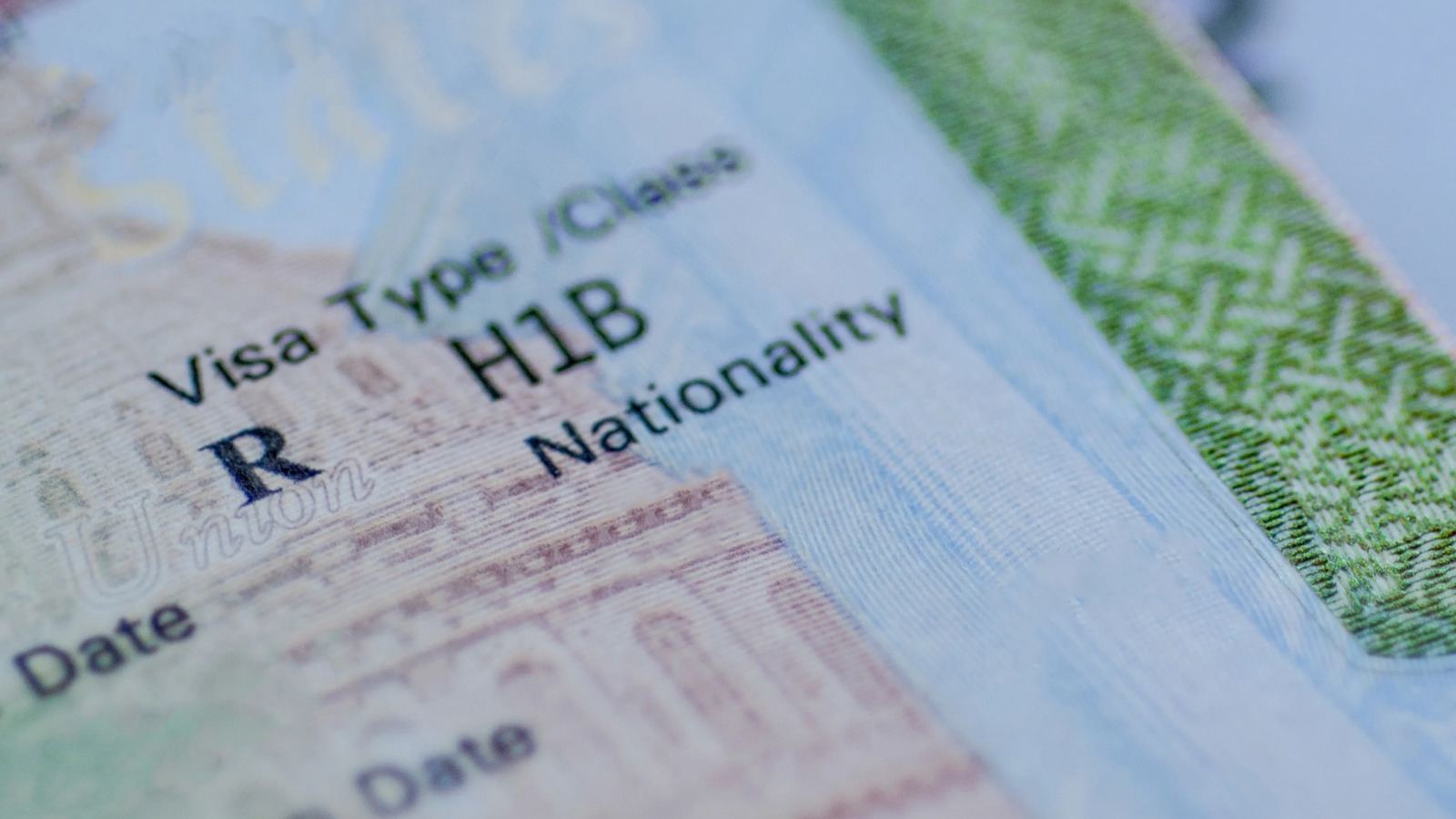
An international worker at a cap-exempt university felt relieved after receiving approval for H-1B sponsorship from their department. The process began without issues, and the applicant submitted documents they believed fully met the filing requirements.
Trouble arose when one CPT authorisation document could not be traced. The applicant claims the Curricular Practical Training record was missing, following which the university’s lawyer and HR team refused to proceed with the H-1B application.
According to the worker, the university warned that a missing CPT record could indicate a violation of F-1 visa status. In the current US immigration environment, even a possible violation often leads employers to pause or cancel sponsorship plans.
The university is also unwilling to attempt consular processing. Officials reportedly fear that if the applicant travels abroad for visa stamping, re-entry into the United States may not be guaranteed.
The worker said paystubs from the CPT period were submitted during review. They are now questioning whether this triggered the concern and if that CPT phase should have been excluded during the initial H-1B filing.
The employee is considering filing an EB-2 NIW petition independently. They are also exploring whether another legal route may be possible through a different law firm with the university’s support.
As decisions are weighed, the case highlights how a single missing document can derail an otherwise routine cap-exempt H-1B process, leaving skilled workers uncertain about their future status.