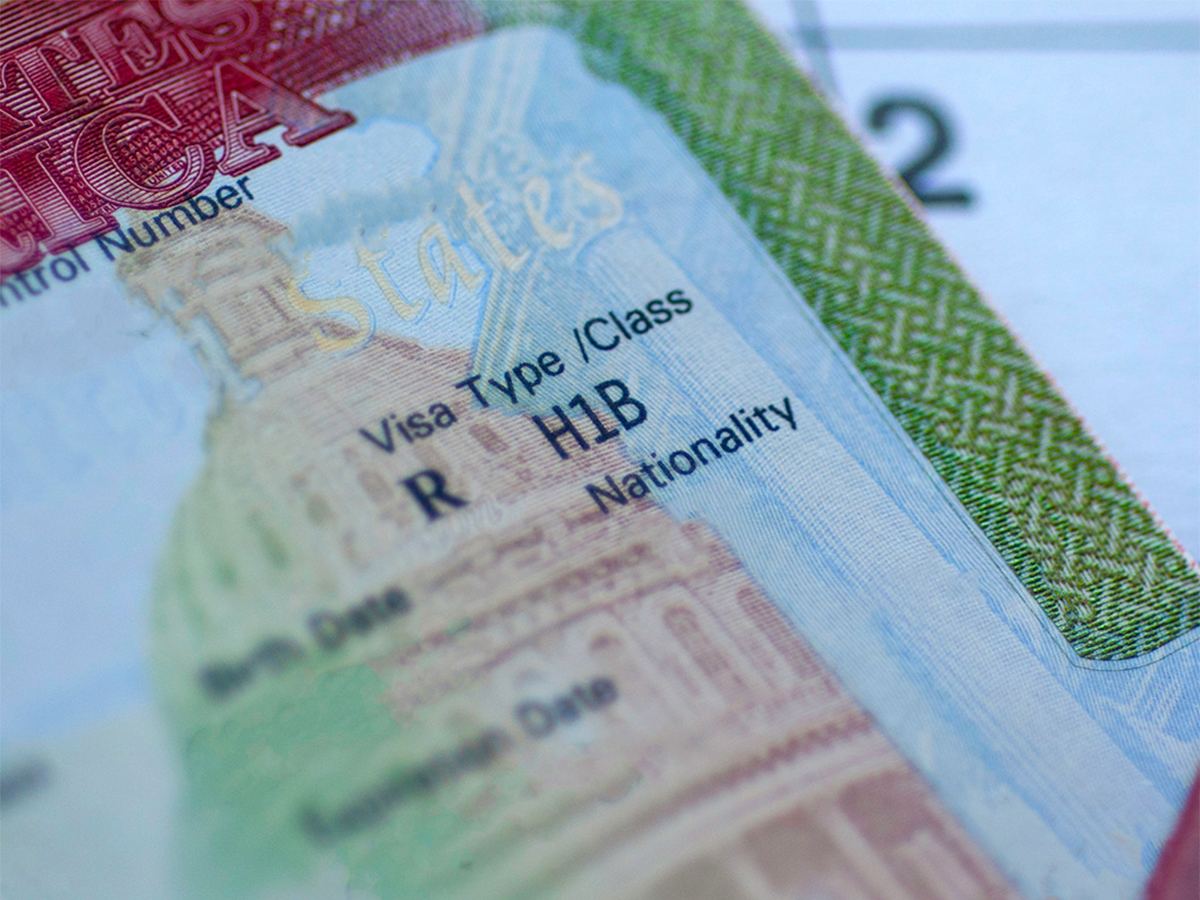
In discussions about immigration, the H1B visa often gets portrayed as a beacon of hope—a way to bring in talented, hardworking individuals who are pursuing a better life.
But that narrative doesn’t tell the whole story.
Many H1B visa holders, particularly those from India, aren’t fleeing poverty. They often come from comfortable, even affluent, backgrounds.
In these families, having live-in maids, drivers, private tutors, and paying for international school fees isn’t a luxury; it’s just part of everyday life.
To secure an H1B visa, most applicants begin with a master’s degree from a U.S. institution—a path that’s financially unattainable for many around the globe.
By the time they’re ready to apply for the visa, they’ve already navigated challenges that only the top five to ten percent can manage. This isn’t about struggle; it’s about leverage.
Yet, the public narrative surrounding the H1B visa often presents a gentler image: the immigrant striving for success, the underdog fighting for a place.
While there’s truth in that portrayal, it doesn’t capture the entire reality.
This perspective misses how privilege travels and transforms across borders.
It also glosses over a tough truth: this system tends to benefit the globally privileged far more than those who are economically vulnerable.
Meanwhile, domestic workers in the U.S.—who are often underpaid and overlooked—find themselves competing in increasingly tight job markets.
Tech companies and lobbyists seldom bring this up. They wrap the H1B story in feel-good messaging that obscures its class dynamics.
This isn’t an anti-immigration stance; it’s a call to dig deeper.
Not every H1B holder is wealthy, and not every American worker is at a disadvantage. But pretending that all migration stems from hardship distorts the truth.
It also stifles the opportunity for more challenging conversations about class, access, and who really gets to move.
Immigration deserves compassion, but it also requires honesty.
Not every global journey is born from struggle; some are simply privilege continuing its journey—just with a new zip code.