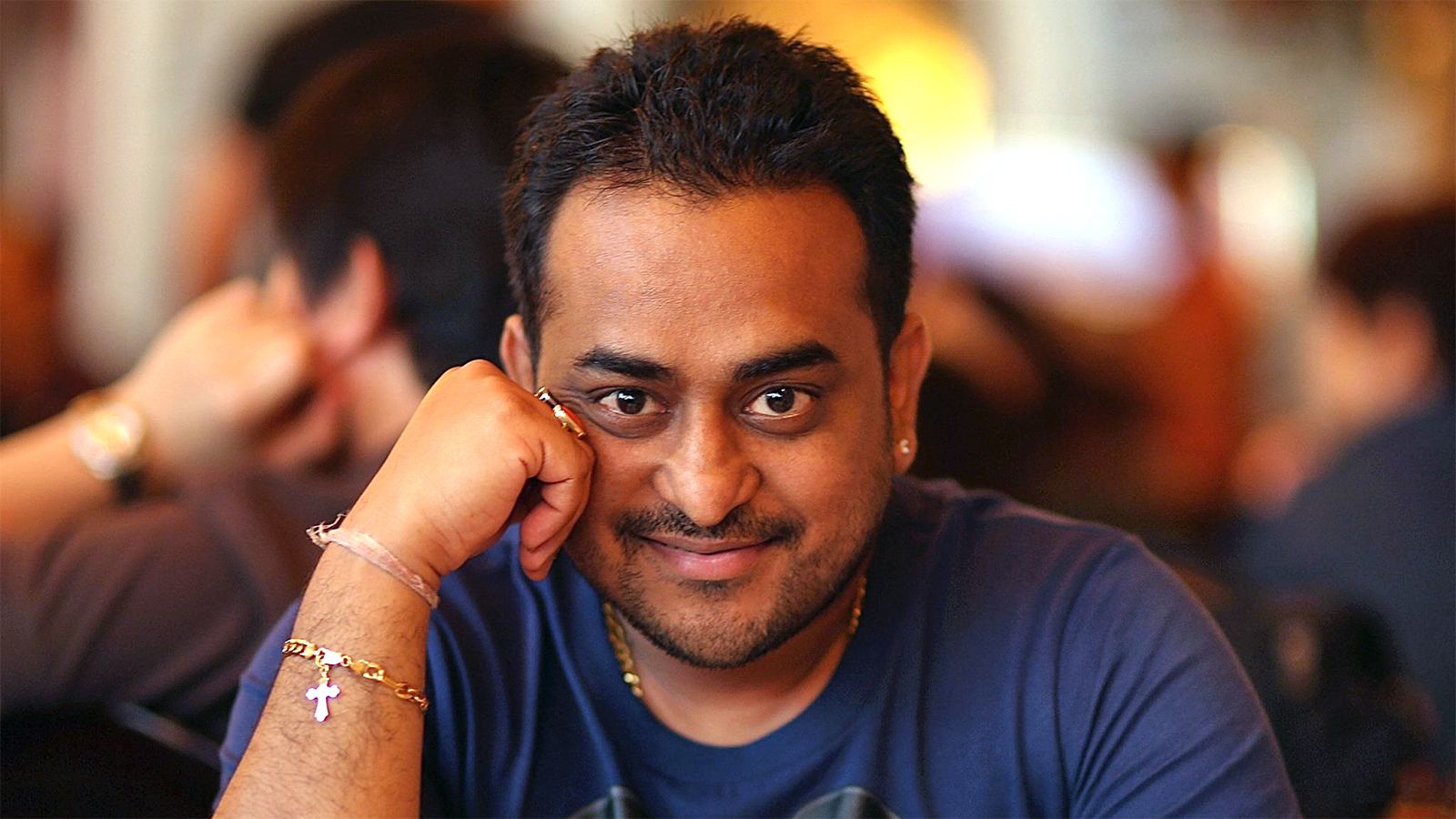
Playback singer Krishna Beuraa has exposed the harsh reality of the music industry, revealing how artists like him get nothing even when their songs cross 100 crore views online. His story sheds light on how major labels exploit genuine talent.
Krishna shared that many “distribution companies” draft unfair contracts that deny singers their rightful royalties. Even when their music gains massive popularity, these artists don’t earn a rupee, as most of the revenue goes to the label.
According to him, labels often pay singers based on their social media reach instead of talent. They spend huge sums—sometimes ₹100–200 crore—on promoting A-listers, while independent singers are handed 70:30 revenue-sharing deals that leave them with only 30%.
Krishna said these companies even restrict creators from performing their own songs. Once they buy the rights, artists can’t sing or use their tracks without permission, even for interviews or live shows. “If you’re releasing my song, why can’t I sing it?” he questioned.
He revealed that he isn’t allowed to perform or make covers of his popular tracks like Maula Mere Lele Meri Jaan from Chak De India and Mera Intakam Dekhegi from Shaadi Mein Zaroor Aana, though hundreds of others freely upload them online.
Mera Intakam Dekhegi alone has over 100 crore YouTube views, but Krishna says he hasn’t earned even ₹1 from it. Neither the film’s producer nor the distribution label paid him any royalty, despite the song’s massive success.
He also pointed out the industry’s double standards—A-listers earn over ₹1 crore for shows, while talented newcomers struggle to get even ₹10–15 lakh. Even that amount is further cut by event organisers under the excuse of “management costs.”
Krishna’s experience reflects the larger problem faced by independent artists. Instead of nurturing talent, record labels have turned into profit-driven businesses that sideline genuine musicians. He believes the system needs a serious change to protect artists’ creative rights.