The term “superstar” in Indian cinema has always carried a particular weight.
It’s not just about acting talent or critical acclaim—it’s about mass hysteria, fan frenzy, and a presence that transcends the screen.
Over the years, superstars were made not through PR campaigns but through genuine ground-level connection with the audience.
Today, though, the definition seems to be shifting—and not everyone is buying into the new version.
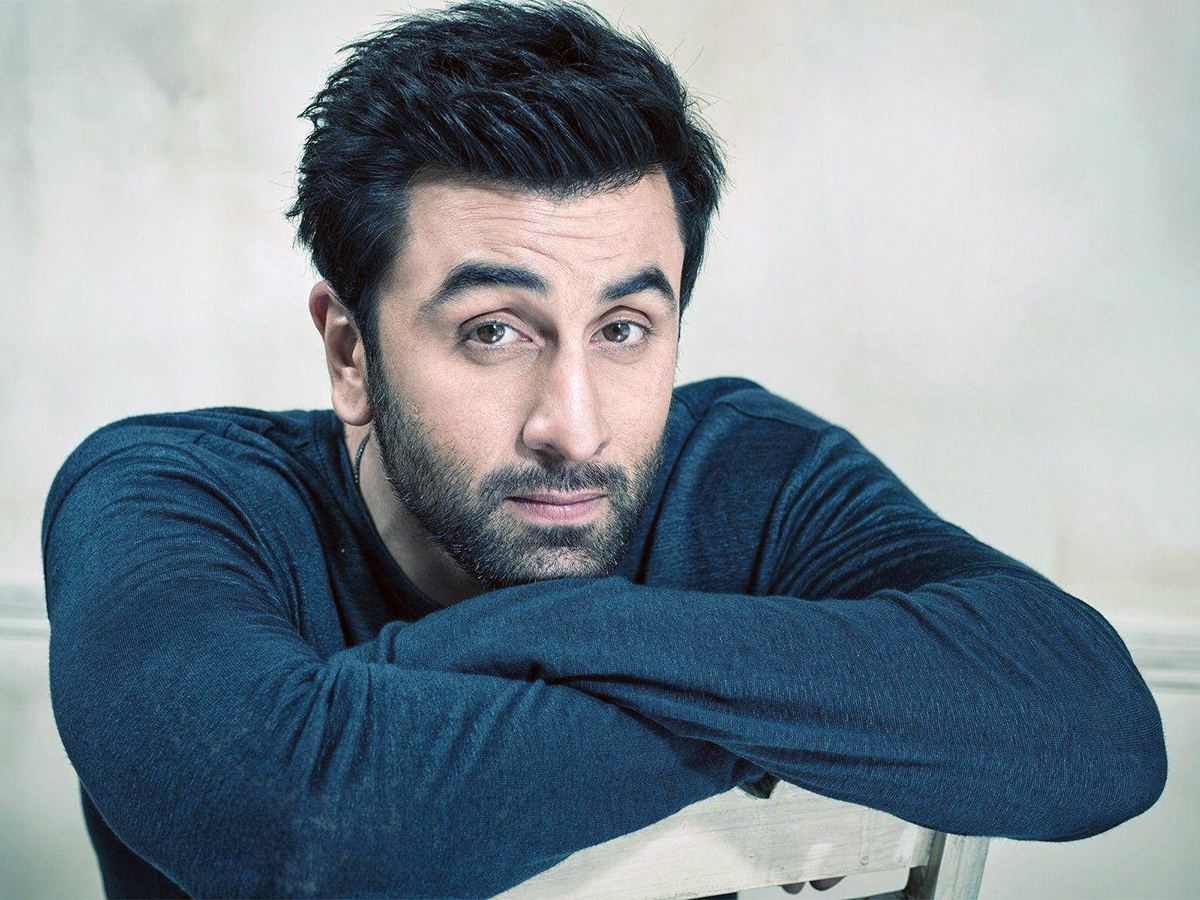
Take Ranbir Kapoor, for example.
He’s undoubtedly a gifted actor, praised for performances in films like Rockstar, Barfi, and more recently, Animal.
But the “superstar” label being attached to him—especially since Animal—feels more like a PR-driven narrative than a naturally-earned identity.
Despite a solid filmography, Ranbir hasn’t consistently delivered all-out blockbusters, nor does he command the kind of mass following one traditionally associates with superstardom.
It’s hard to ignore how aggressively the term “superstar” is now linked to him, often appearing in posters and promotional material even before Animal released.
Yes, the Ramayana teaser looks promising and his upcoming films might change the landscape.
But currently, the gap between media narrative and public perception is evident.
Ranbir Kapoor remains a respected actor, but calling him a mass superstar may be more about image-building than organic evolution.