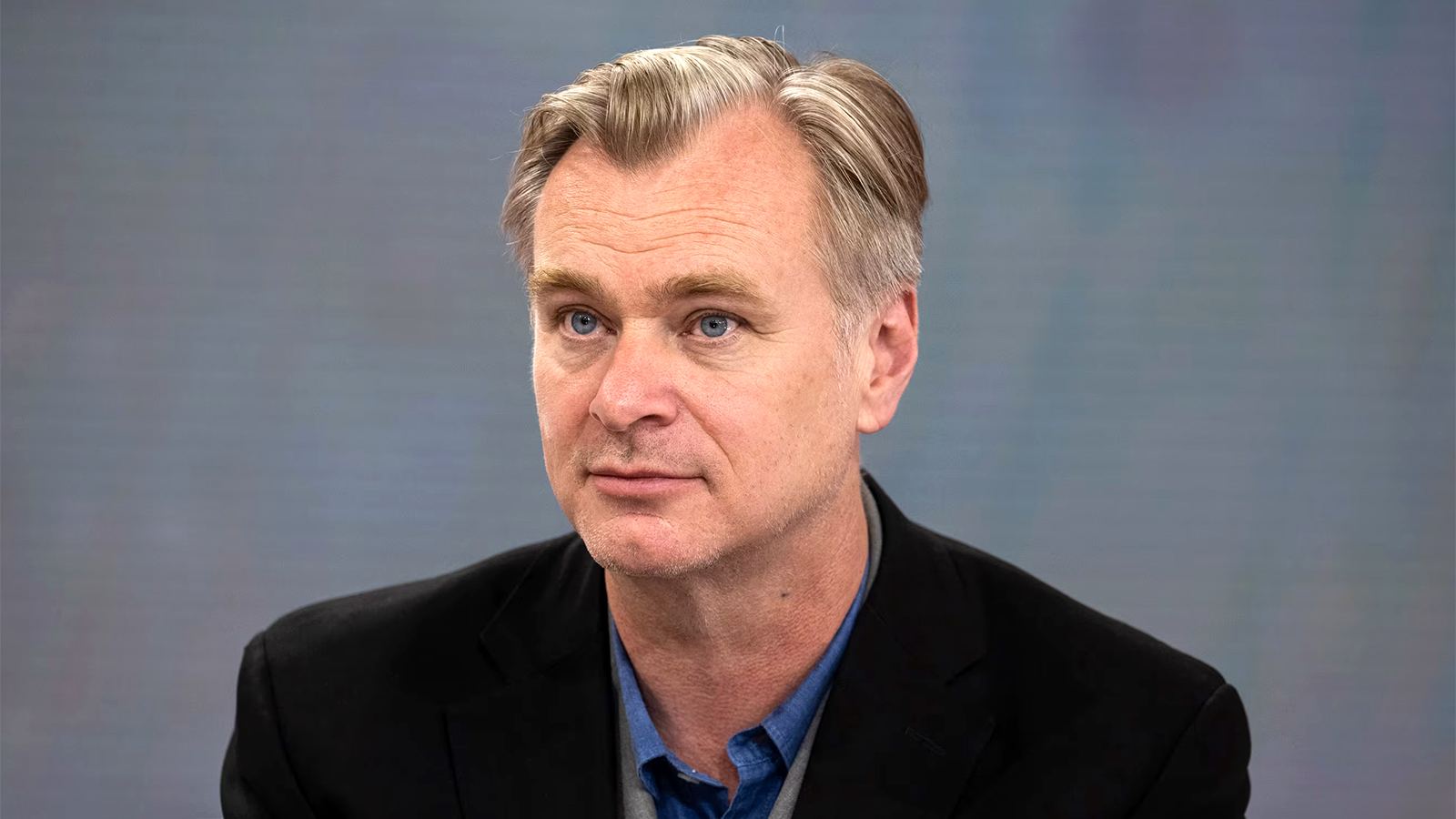
Christopher Nolan’s long standing refusal to collaborate with Netflix and other streaming first models has once again sparked debate in modern cinema. His views reflect a firm belief about how films should be experienced. The discussion sits at the heart of how cinema is evolving today.
Nolan has repeatedly explained that cinema is a theatrical art form above all else. He has criticised near simultaneous streaming and theatrical releases. According to him, this model weakens the purpose of theatres and reduces the big screen to an optional choice.
When films become instantly available at home, Nolan believes the cinema experience loses its foundation. Theatres no longer remain the primary destination. This shift, he argues, changes films from shared events into easily disposable content.
He often contrasts this approach with models that protect a clear theatrical window. Nolan feels such systems respect cinemas as cultural spaces. They allow audiences to experience films collectively before they move to streaming platforms.
His strong advocacy for large format viewing supports this philosophy. Formats like IMAX and 70mm, in his view, demand scale, sound and full audience focus. Certain stories, he insists, are designed specifically for the immersive theatre environment.
Nolan has also raised concerns about the fragility of streaming only films. Titles limited to platforms can disappear due to licensing issues or corporate decisions. Physical media and wide theatrical releases, he believes, help preserve films as cultural history.
This stance played a key role in his move to Universal for Oppenheimer. He secured firm theatrical guarantees and strong backing for premium formats. The film’s success reinforced his argument that audiences still value cinema as an event.
At a time when convenience and algorithms dominate the industry, Nolan’s refusal to compromise stands out. His position represents a strong defence of cinema as a public and lasting art form. It also highlights the need to protect its core identity for future generations.