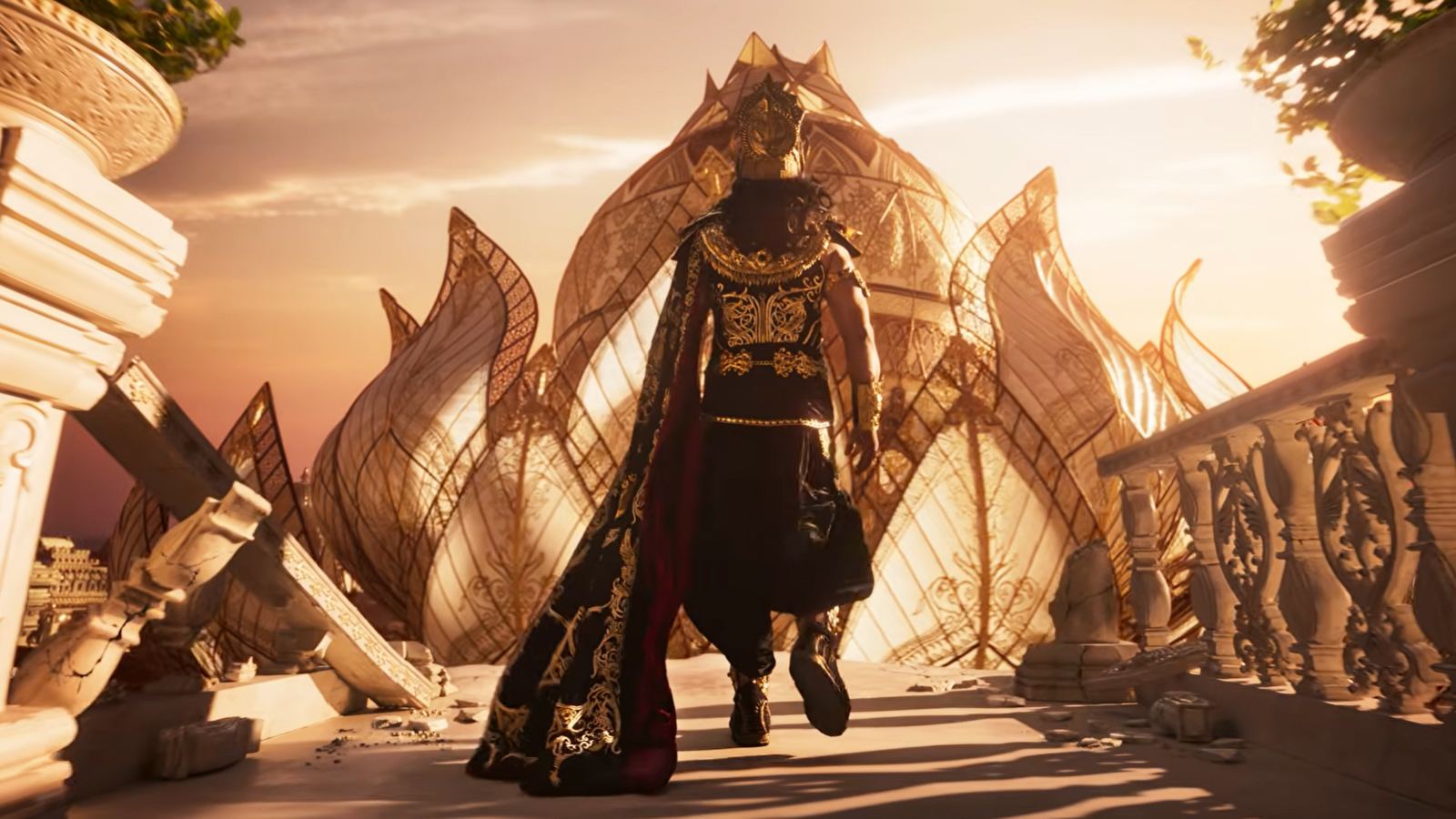
The debate surrounding Karna‘s portrayal in Kalki 2898 AD is no longer just about one film. Many people are now expressing concern that cinematic portrayals of mythological characters are beginning to influence how younger audiences perceive the Mahabharata itself.
One major complaint repeatedly surfacing online is that many youngsters, who may not have actually read the Mahabharata, are forming opinions based largely on films, reels, and fan edits.
Some users claim they have already noticed a growing trend of people openly supporting Karna while criticizing Arjuna, the Pandavas, and even Krishna. They argue that this accelerated after Prabhas played Karna in Kalki, with fan culture blending into mythology discussions.
Whether that perception is widespread or limited to social media is difficult to say. But the debate is certainly becoming louder.
Now, some are drawing a parallel with another upcoming mega project.
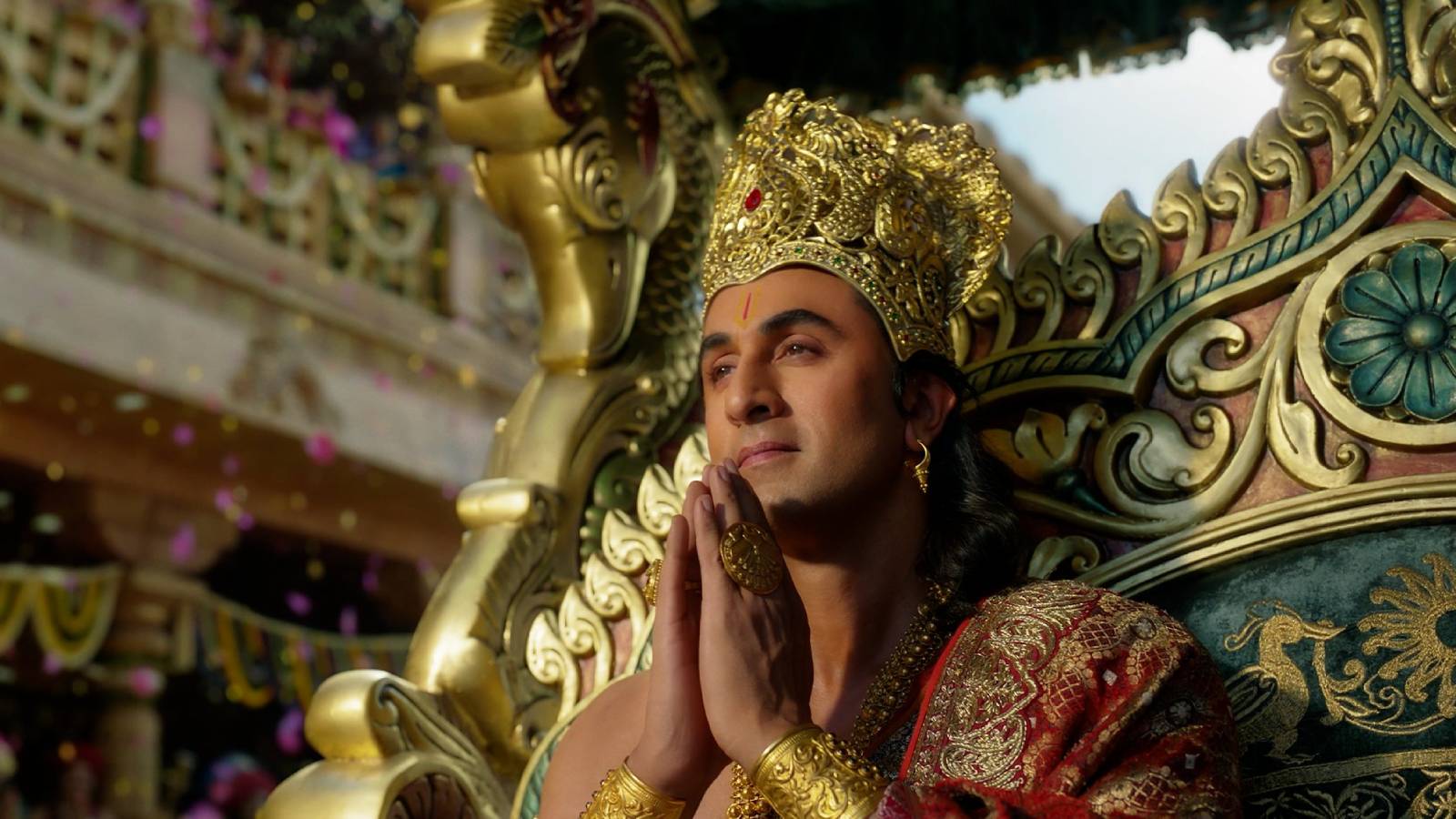
With Yash playing Ravana in Ramayana, a section of users fears a similar trend could emerge during the film’s release. Their concern is that fan loyalty may end up influencing discussions about mythological characters, with some viewers defending Ravana because their favorite star is playing him instead of Lord Rama, rather than understanding the original epic.
The concern isn’t about filmmakers exploring layered or morally complex characters. Karna, Ravana, Bhishma, Duryodhana, and many others have fascinated writers and filmmakers for generations because of their dramatic depth.
Many users feel a growing number of young people consume mythology through films, reels, YouTube Shorts, and social media posts rather than reading the Mahabharata, Ramayana, or the Puranas themselves. As a result, they fear cinematic portrayals can sometimes become the “default version” of these characters for an entire generation.
That is why Kalki 2 and Ramayana may face a different kind of scrutiny. Beyond VFX, performances, and box office collections, the biggest debates may revolve around how these iconic mythological characters are interpreted and how those interpretations shape the next generation’s understanding of the epics.