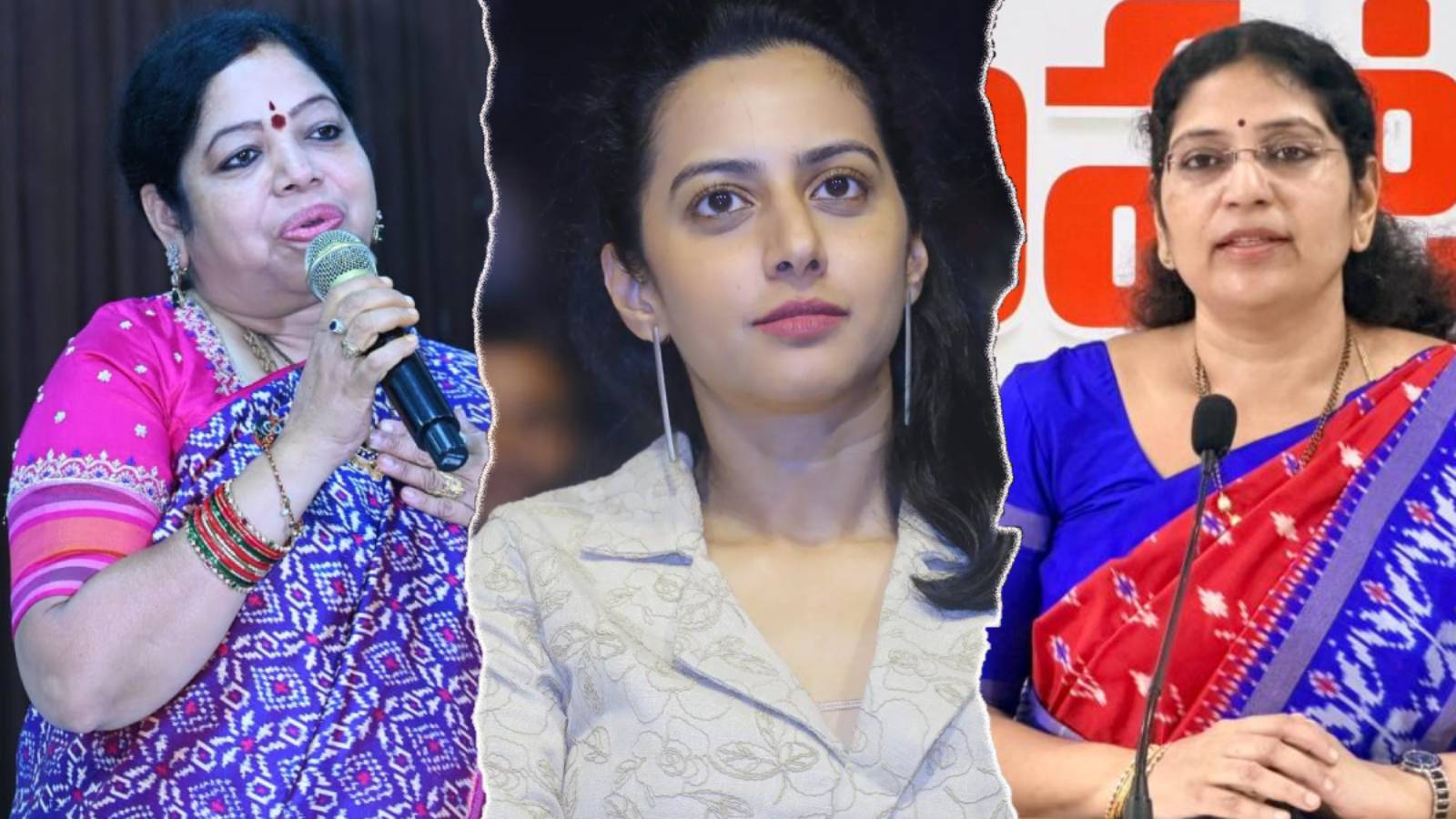
At the Kantara: Chapter 1 event, producer Ravi Shankar remarks about Rukmini Vasanth stirred debate. He praised her talent but added she could never match Jr NTR, saying they expected only “80% of his caliber.” The comment exposed deep-rooted misogyny in cinema.
Why must a woman’s performance be compared to a man’s? Why is her own full potential not enough? Such casual remarks show how gender bias continues to shape conversations around women in films, both on stage and off screen.
The backlash was swift. Many argued that if Karan Johar had said the same, Trollers would not stop. Others felt this sexism harms the South industry’s image. In trying to glorify heroes, female actors often get belittled unintentionally.
Misogyny is not about South vs Bollywood. It is an Indian industry problem. It exists in casting older men with much younger heroines, in scripts that limit women to tears or worship, and in dialogues that mock or reduce them to props.
The troubling part is that many fail to recognise these as misogynistic because they are normalised. Cinema reflects society, but when films glorify imbalance, they reinforce stereotypes, teaching audiences that women are incomplete without men.
Filmmakers are not just entertainers. They shape perception through stories. Instead of recycling bias, they must normalise equality on screen. The change cinema needs is not only better stories but also a better mindset.