BOTTOM LINE
Hard-Hitting Domestic Drama
PLATFORM
JioHotstar
RUNTIME
3Hrs | 6 Episodes
What Is the Film About?
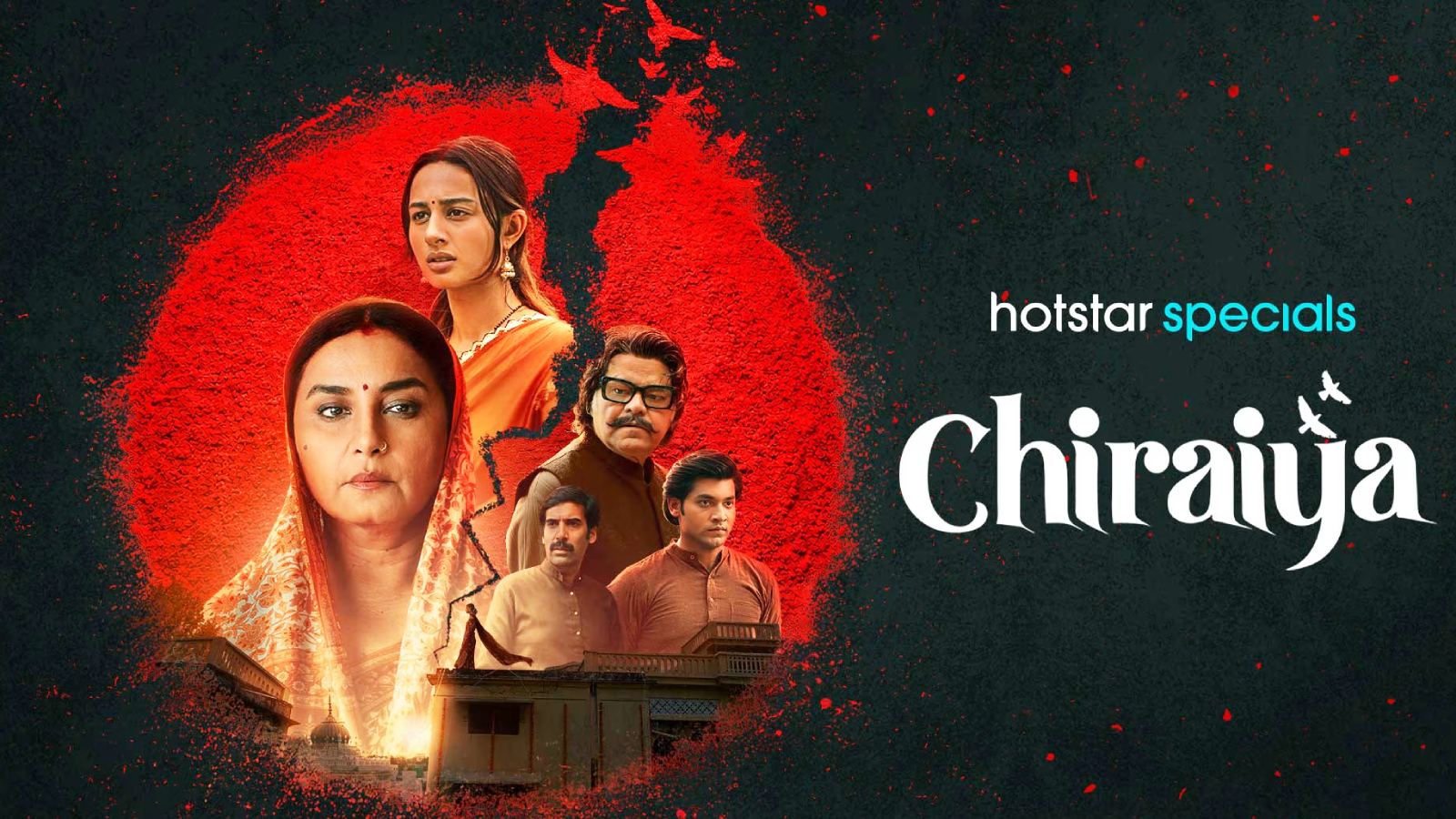
After her wedding to Arun, Pooja faces a traumatic and abusive marriage. When her own mother dismisses her cries for help, she finds an unexpected ally in her sister-in-law, Kamlesh. Together, they realise the gravity of Arun’s actions and seek justice. Despite facing rejection from family members and discovering a lack of legal support, the two women decide to challenge the system.
Performances
It is tiring to discuss how much Divya Dutta’s services have been underutilised in Hindi cinema and OTT shows lately. Thankfully, Chiraiya sets the record straight. The veteran provides just the right amount of authenticity to Kamlesh and her world, depicting her unsaid wounds, unfulfilled dreams, and her need to challenge the prevalent norm.
Prasanna Bisht, as Pooja, aptly represents the resilience of an evolved modern woman of today, showcasing her grit and fight for a better tomorrow. The men in their lives, Sanjay Mishra, Siddharth Shaw, and Faisal Rashid, are well-cast in roles that come with a different set of complexities. Tinnu Anand’s role is a slight disappointment, for it leaves him little scope to make a mark.
Analysis
For a story to trigger a thought among the masses, it is crucial that it speaks the same cinematic language as theirs. When The Great Indian Kitchen was remade into Hindi as Mrs, many, including this reviewer, wondered about the necessity of it all, especially when the original could have been simply dubbed and promoted to another set of audiences. Yet, the mainstream acceptance of Mrs helped it be a welcome conversation starter.
Chiraiya, JioHotstar’s latest Hindi show, is directed by Shashant Shah and written by Divy Nidhi Sharma. It is extremely effective because it puts forward a perspective within the constrained, populist visual grammar of a soap opera. Challenging the typical toxic narrative of dolled-up women pitted against each other in conservative households, Chiraiya is a fight against internalised patriarchy, regardless of gender.
One of its most significant narrative choices is the effort to chart the transformation of the elder daughter-in-law of the house, Kamlesh. She has an instinctive understanding of the world, but is yet handed a subconscious code of conduct of being an ideal woman. She is made to abandon education for marriage, finds her happiness in a kitchen, regrets not having a son, and stands by her supposedly idealistic father-in-law.
When the antithesis, the new bride Pooja, who is married to Arun, Kamlesh’s brother-in-law, enters the house as a modern-day English graduate who speaks her mind, she experiences culture shock. Kamlesh naturally feels threatened and suspicious. As Pooja claims to be a victim of marital rape on their first night, Arun remains indifferent to her consent, wondering what the debate is all about.
The show hits the nail on the head because it is a woman, Kamlesh, who first refuses to accept Pooja’s claim. Arun is the boy she has raised and has, until now, believed could do no wrong. While overcoming her initial shock, Kamlesh uses the opportunity to educate herself and comprehends the facade of a life she has lived, confronting everything she has silently accepted until then.
The clash between Kamlesh and Pooja is about women raised in different worlds and how they could have a dialogue about it, instead of placing their contrasts through a magnifying glass. The series also rightfully questions the silent enablers of the norm: men and women such as Kamlesh’s husband, who cares for his wife but ultimately cannot point a finger against his advocate father’s ways in public.
As the rebellion unravels, the gaslighting reaches exponential proportions when the fathers of Arun and Pooja decide what is to be done to make the women return home and safeguard the family honour. The conversations between the NGO activist and Kamlesh are particularly a nice touch, helping the latter understand a woman’s need to be aware in terms of legalities and sex education.
Chiraiya’s writing is slightly hasty and impulsive towards the end, almost in a tearing hurry to put out a statement. That the law allows no scope for a woman to fight against marital rape is merely conveyed through dialogue, and the justification of a fake case to fight the men is unwarranted. However, the mythological parallels to a woman’s plight and identity in the climax provide a strong context to explain Kamlesh and Pooja’s fight.
All said and done, Chiraiya asks piercing questions, is hard-hitting when it matters, and crafts a compelling web of relationships to keep the viewer invested. However, it often feels in a rush to arrive at solutions, forcing character transformations through external education rather than allowing the characters the time to internalise their own awakening.
Chiraiya may appear trapped in the TV soap-aesthetic and setup, but it critiques it effectively in its call for sisterhood and the fight against internalised patriarchy.
Overall, Chiraiya has a similar conservative setup of most TV soaps but instead of women working against one another in toxic situations, the show brings them together to fight a hard-hitting issue. It is meant to leave you uncomfortable and goes slightly overboard in doing so. The show is aimed at both men and women in general. While it is a call for women to voice out their consent or the lack of it in marriages, it is an appeal directed at men to be more empathetic towards women’s concerns.
Music and Other Departments?
Raja Narayan Deb’s music score stays true to the urgency of the moment and remains careful not to blow up the drama beyond proportion. The songs work slightly better, ensuring an organic atmosphere to the proceedings. The cinematography by Subhankar Bhar, the domestic backdrop, and the costumes contribute to its sophisticated visual texture.
Highlights?
Strong, relevant theme
Good performances
Crisp narrative
Drawbacks?
At times, an exaggerated portrayal of marital rape
In a tearing hurry to arrive at solutions
Doesn’t allow characters to evolve organically
Convenient ending
Did I Enjoy It?
Generally, yes
Will You Recommend It?
Though it appears to be targeted at the TV-watching audience, the theme is universal and relevant. Worth a try
Chiraiya Webseries Reviewed by M9 News