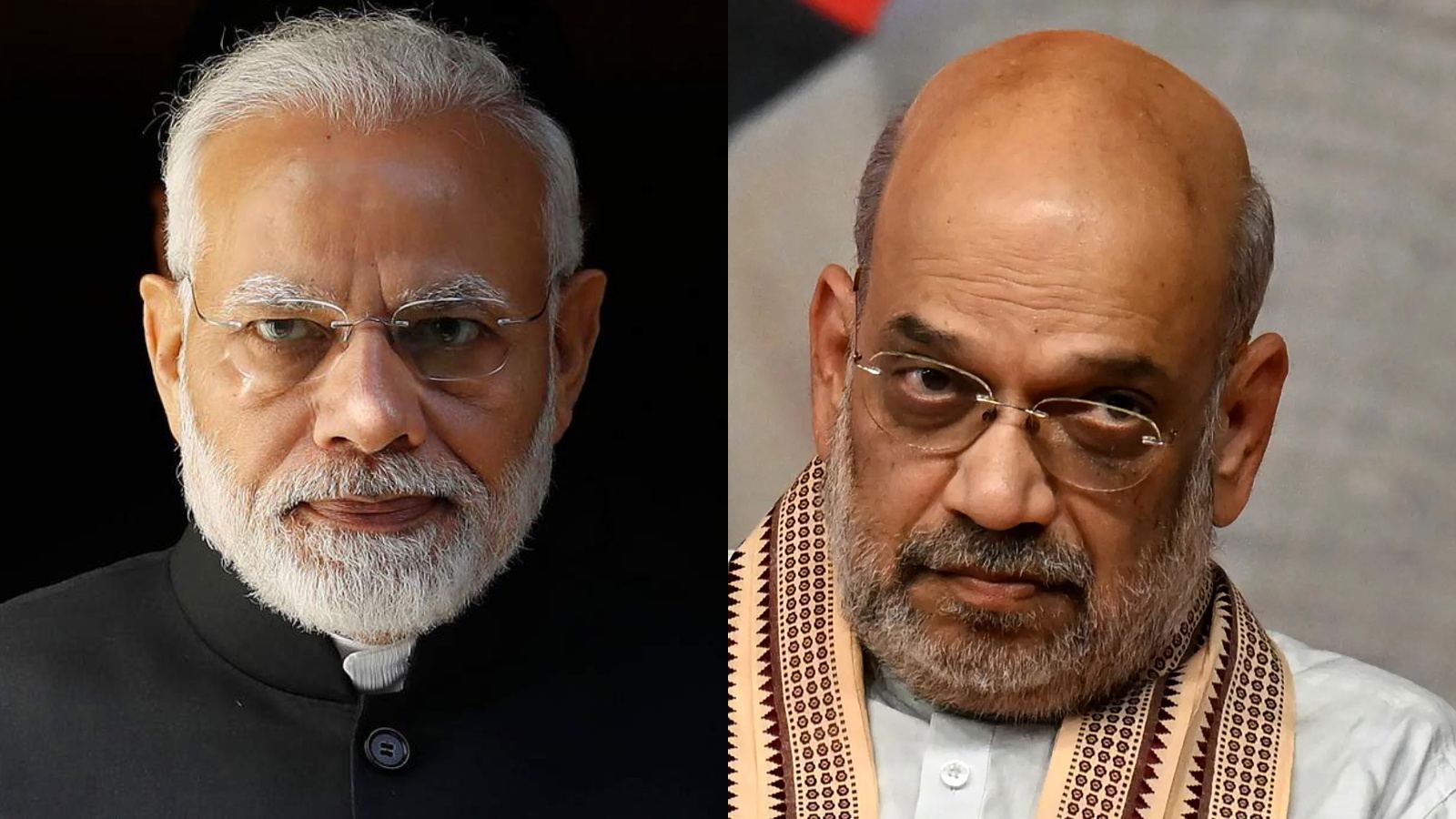
Home Minister Amit Shah recently tabled a crucial bill in the Lok Sabha. The bill seeks to allow the removal of the Prime Minister, Chief Ministers, and Central and State Ministers if they are jailed for 30 days on serious charges.
The Lok Sabha voted to send the bill to a Joint Parliamentary Committee for further review. The Opposition has strongly criticised it, calling it a sinister move aimed at weakening India’s federal structure.
This is Narendra Modi‘s third term at the Centre, and critics accuse Modi and Shah of misusing agencies like the CBI and ED to target Opposition leaders. They fear that if key ministers from Opposition-ruled states are arrested, their governments will collapse easily.
Such a scenario, they argue, would automatically strengthen the party ruling at the Centre, with the BJP being the biggest gainer. Repeating this strategy over a few terms could potentially eliminate the Opposition altogether.
Opponents of the bill say it goes against natural justice, as leaders would be removed based on detention without trial or conviction. They argue it violates the principle of being “innocent until proven guilty.”
However, the Central Government claims the bill is part of a larger fight against corruption. Critics also warn that if applied retrospectively, it could destabilise states. For instance, both Chandrababu Naidu and YS Jagan Mohan Reddy were jailed for more than 30 days in the past.
Some even compare the move to the days of emperors and subordinate kings, where the emperor could replace subordinates at will. They believe the Modi government might be trying to enforce a similar system.
Interestingly, Amit Shah himself was jailed for 96 days in the 2010 Sohrabuddin Sheikh fake encounter case. He had to resign as Gujarat Home Minister back then.
Passing this bill will not be easy. Being the 130th Constitutional Amendment, it requires approval by two-thirds of both houses of Parliament and ratification by half of the state assemblies.