YS Sunitha continues her relentless legal battle in the Supreme Court, seeking justice for her father YS Vivekananda Reddy’s murder. Her current petition urges the Apex Court to cancel the bail granted to Kadapa MP Avinash Reddy and other accused. Sunitha claims that they are attempting to influence witnesses, posing a serious threat to the integrity of the legal process. The case, being politically sensitive, has brought national attention and now hinges on a crucial affidavit filed by the Central Bureau of Investigation (CBI).
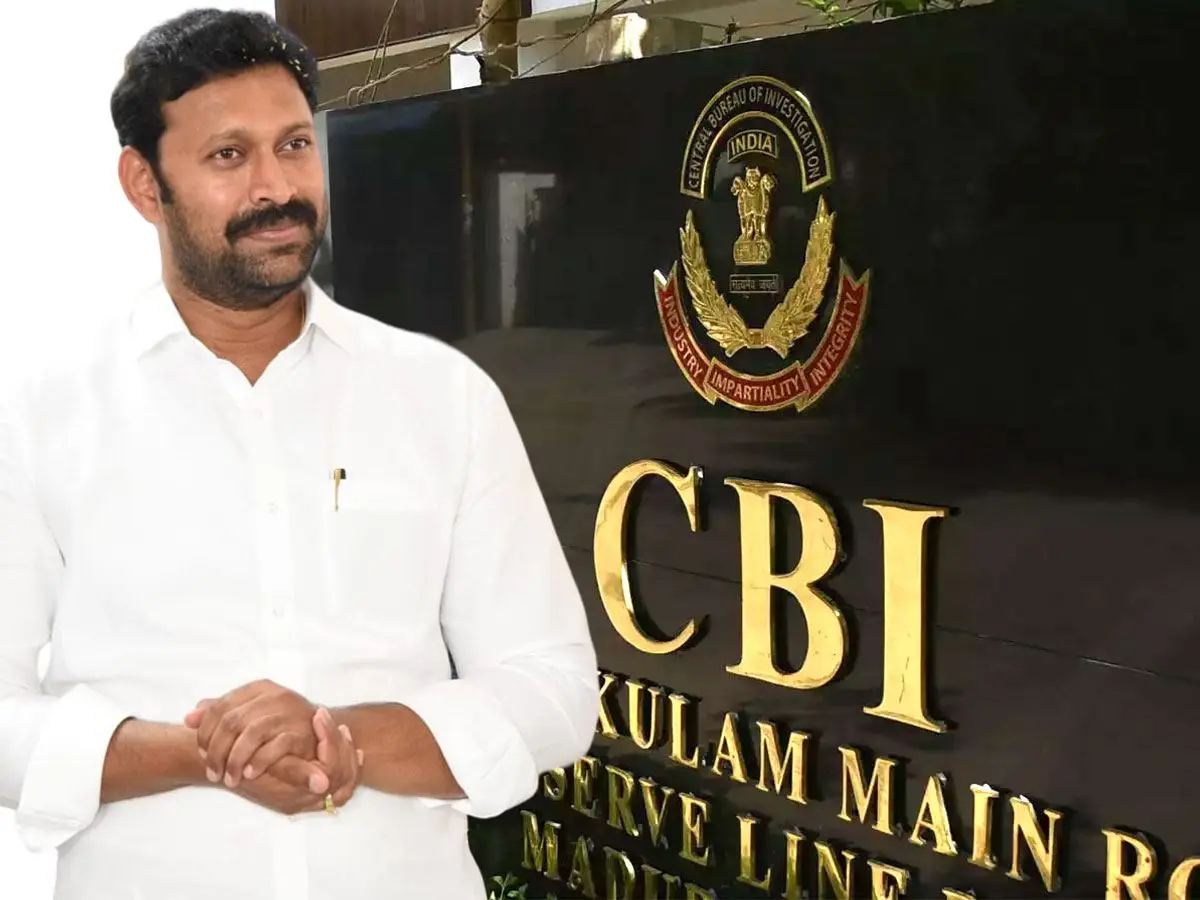
In an earlier hearing, the Supreme Court instructed the CBI to respond to three specific concerns before considering Sunitha’s plea. Only after these points are addressed will the court proceed to hear the bail cancellation petitions involving Avinash Reddy and others. Following this directive, the CBI submitted an official affidavit today, updating the bench on the current status of the investigation into the Viveka murder case. The contents of this affidavit are expected to significantly affect the court’s next steps.
The Supreme Court has specifically asked the CBI whether further investigation is needed and requested clarity regarding the closure report filed by the Andhra Pradesh government against Sunitha and Rajasekhar Narreddy in the Kadapa Sessions Court. In its response, the CBI informed the court that its investigation is complete, although it remains open to resuming the probe if the court deems it necessary. This statement could be pivotal in shaping the outcome of Avinash Reddy’s bail status.
This affidavit plays to Avinash Reddy’s advantage. His legal team may argue that with the CBI declaring the investigation complete, there is no immediate risk of witness tampering, and hence no basis to cancel bail. Courts in India often grant bail once a chargesheet is filed, unless there is active interference with witnesses or evidence. This precedent could work strongly in favor of the accused, shifting the burden back on the petitioners.
It is also worth noting that witness influence can occur even during the trial stage. However, Indian courts typically allow bail during trial unless compelling reasons suggest otherwise. The CBI’s stance that the case is closed may now become a key factor in the court’s final decision. Meanwhile, YS Sunitha remains firm in her demand for Avinash Reddy’s arrest—an outcome that remains unfulfilled despite years of legal pursuit.
The Supreme Court has scheduled the next hearing for the 19th of this month. As this high-stakes legal and political case unfolds, all eyes are on how the court interprets the CBI’s affidavit and whether the bail granted to Avinash Reddy will be upheld or revoked. The coming days could determine the course of justice in the Viveka murder case and define accountability at the highest levels.