The One Nation, One Election campaign is gaining momentum under the BJP-led NDA government, with plans to hold simultaneous elections, referred to as Jamili elections, for both the state assemblies and the Parliament. The government aims to implement this system across the country, with elections tentatively scheduled for February 2027 under the Election Commission.
A committee, led by former President Ram Nath Kovind, was formed to explore the legal and constitutional framework necessary for this large-scale electoral reform. This move is in line with the government’s broader agenda to streamline the election process, reduce costs, and avoid frequent disruptions to governance caused by staggered elections in different states.
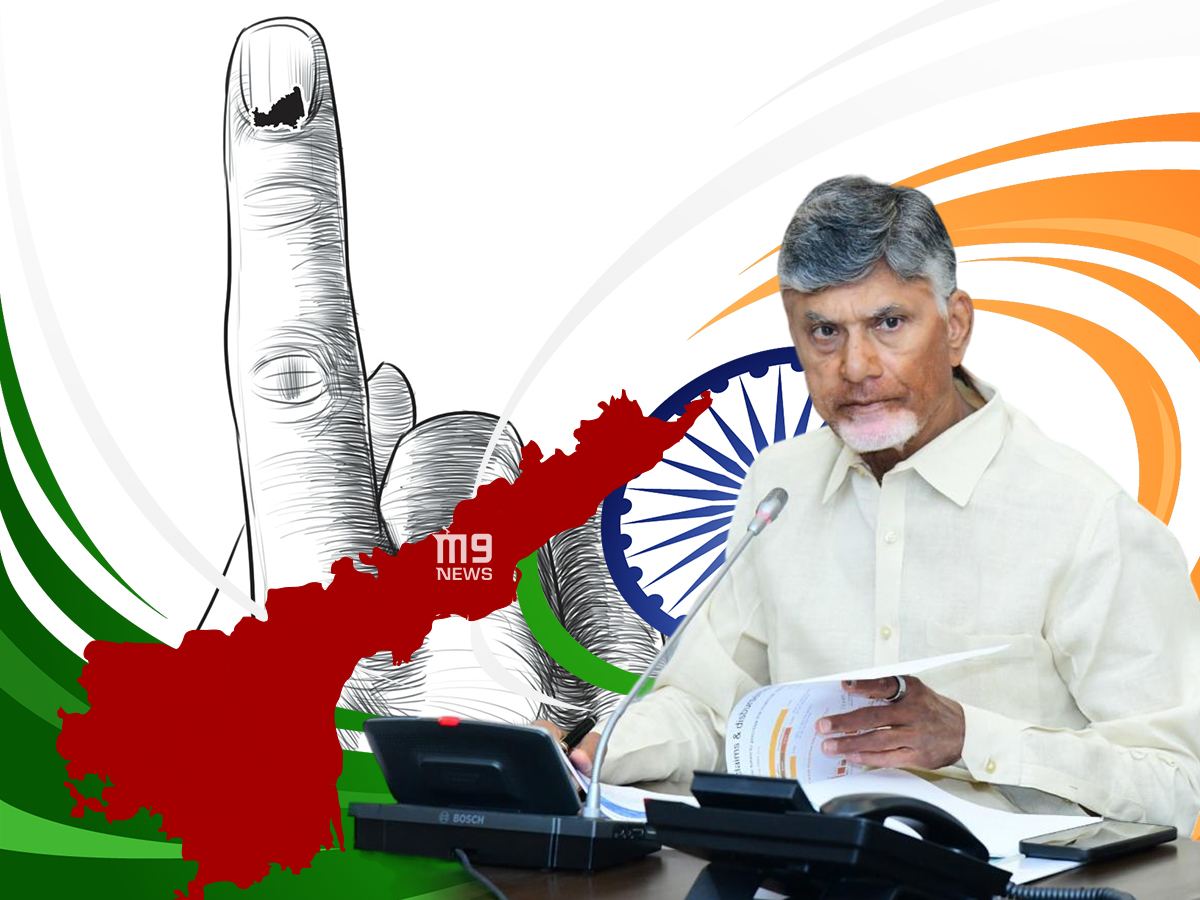
To facilitate Jamili elections, delimitation of constituencies is being planned, which will reshape electoral boundaries by 2026. In Andhra Pradesh, the AP Assembly seats will increase to 225 (from the current 175), while Telangana’s Assembly will expand to 153 seats (up from 119).
AP CM Chandrababu Naidu has expressed that his government is ready to face these early general elections as part of the Jamili process. For the One Nation, One Election system to be implemented, amendments to five key articles of the Indian Constitution—Articles 83, 85, 172, 174, and 356—are required.
The government needs a two-thirds majority in both houses of Parliament (Lok Sabha and Rajya Sabha), as well as the backing of 14 state assemblies. The winter session of 2024 is expected to witness the introduction of a constitutional amendment bill to facilitate these reforms.
If the bill passes, all state and parliamentary elections will be synchronized and conducted in February 2027, aligning with elections in Uttar Pradesh and other states that may face early polls due to this transition.