 In the 2019 elections, the YSRCP focused on identifying strong leaders from the BC community to field as candidates in the Godavari districts. However, the approach seems to have shifted now. The party is currently engaging in efforts to identify and understand the BC leaders who are active and influential at various levels. As part of this strategy, a new face has been appointed as the in-charge of the Palakollu constituency, despite their four-year association with the party.
This change in approach is exemplified by TDP MLA Nimmala Ramanaidu’s decision to embrace his BC identity along with his financial resources. Similar strategies are being applied in other constituencies as well. Earlier, in Palakollu, YSRCP had tried to establish its leadership by fielding former JDP chairman Kavuru Srinivas, highlighting his BC background. However, over the past six months, changes in strategy have occurred due to reports from the IPAC, which works with the YSRCP.
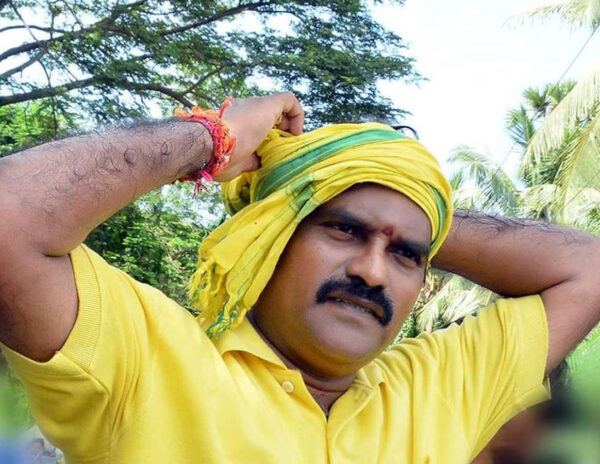
Kavuru Srinivas, the chairman of the ZP, was eventually selected as an MLC from the BC quota. The replacement for his in-charge position in Palakollu remained undisclosed until recently. A leader named Gudala Gopi, associated with Veeravasaram Mandal, was unexpectedly appointed to this role. The ‘Sand’ leaders, supportive of Gopi, expressed their approval, and Gopi enjoys the backing of prominent businessman Sekhar Reddy.
The entire ‘Sand’ team assured YSRCP leadership that if Gopi is fielded as a candidate in any of the constituencies—Achanta, Palakollu, or Narasapuram—they would take responsibility for his victory. Additionally, there are reports of tension between Gopi and popular sitting TDP MLA Nimmala.
It’s noteworthy that CM Jagan seems to have approved Gopi’s appointment as in-charge directly, without discussing it with the district party leaders. This move has raised eyebrows and surprised some individuals within the YSRCP, as it deviates from the typical party processes. The evolving strategies and dynamics within the YSRCP illustrate the complex decision-making processes in party politics.