Public debates on marriage, loyalty, and rights often lose balance because emotions take over. You see strong opinions drown out nuance. When this happens, your ability to look at betrayal calmly and fairly gets pushed aside.
Society usually frames betrayal using rigid gender roles. You are told one side is always the victim and the other the offender. These stereotypes make stories easy to sell but allow real pain to be ignored when it breaks the usual pattern.
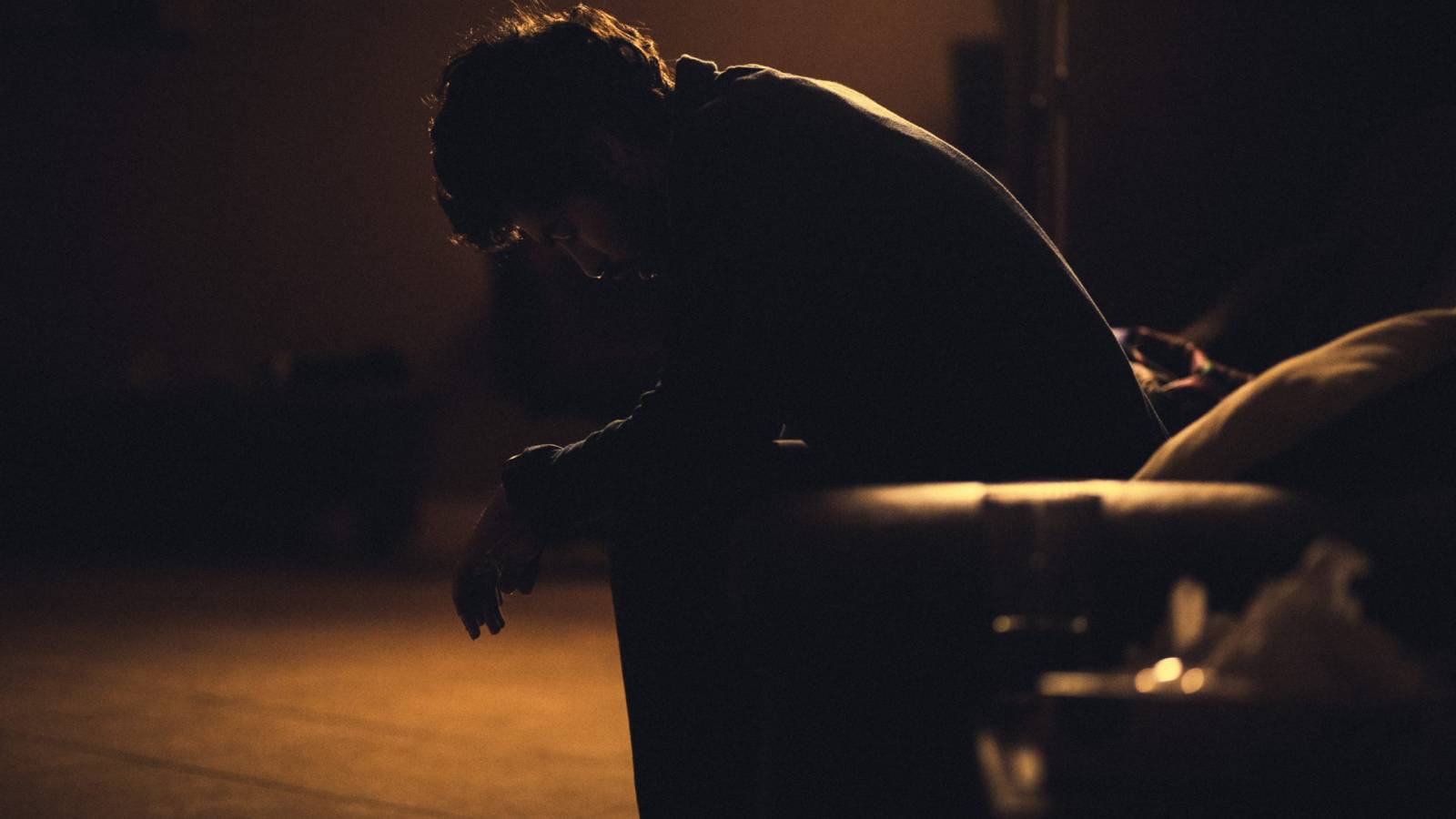
The Amritsar incident highlighted by Shonee Kapoor shows this clearly. A husband broke down on camera after allegedly finding his wife with a “friend” in a hotel, fifteen years into their marriage.
Despite two children and a long relationship, he says he uncovered the affair only after tracking her movements. You can see the shock and humiliation on his face, which resonated strongly with many viewers online.
Yet, as Kapoor points out, when the accused is a woman, such cases are quickly brushed aside as private matters. When men are accused, you often see public judgment on moral, social, and even legal grounds.
This contrast forces you to question double standards in policing, media coverage, and public reaction. Male emotional suffering rarely receives the same seriousness or empathy, even when the pain is clearly visible.
If betrayal violates trust, then the damage does not change based on gender. You cannot selectively acknowledge pain. Emotional harm deserves equal recognition, whether the betrayed partner is a man or a woman.
The growing response around men’s emotional suffering reflects deep frustration. You see men speaking up because their trauma is ignored or mocked. Acknowledging this pain does not weaken women’s rights; it strengthens fairness.
Amritsar, Punjab — 15 साल की शादी के बाद पति ने वो देखा, जिसकी कल्पना भी किसी के लिए विनाशकारी होती है।
पत्नी होटल में “दोस्त” के साथ रंगे हाथों पकड़ी गई।
कैमरे के सामने पति ने अपनी दर्दनाक हकीकत सुनाई—आँखों में आँसू, आवाज़ में टूटन।लेकिन असली सच्चाई इससे भी कड़वी है।
जब बेवफाई… pic.twitter.com/KNTZhsYWkM— ShoneeKapoor (@ShoneeKapoor) December 15, 2025