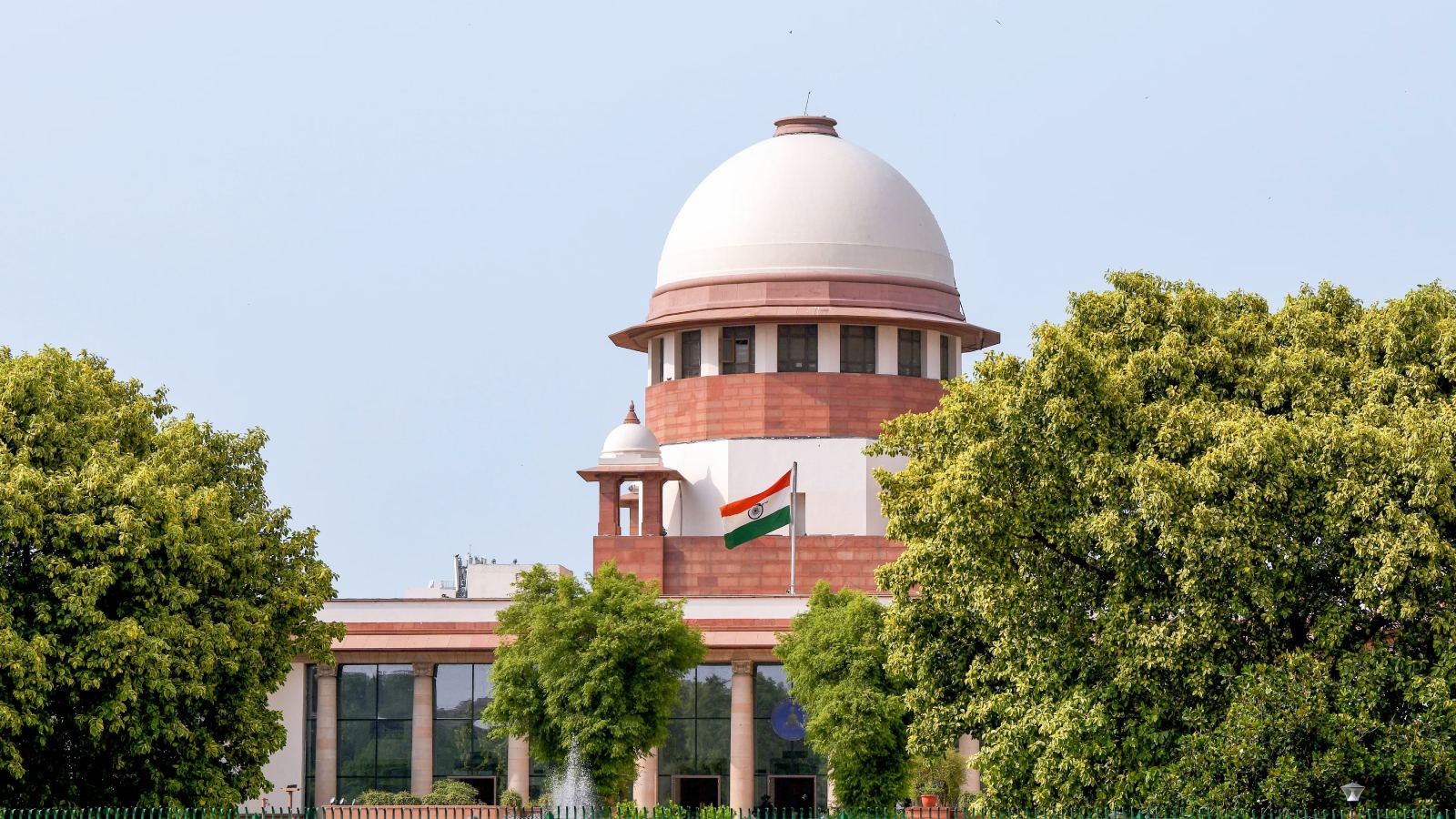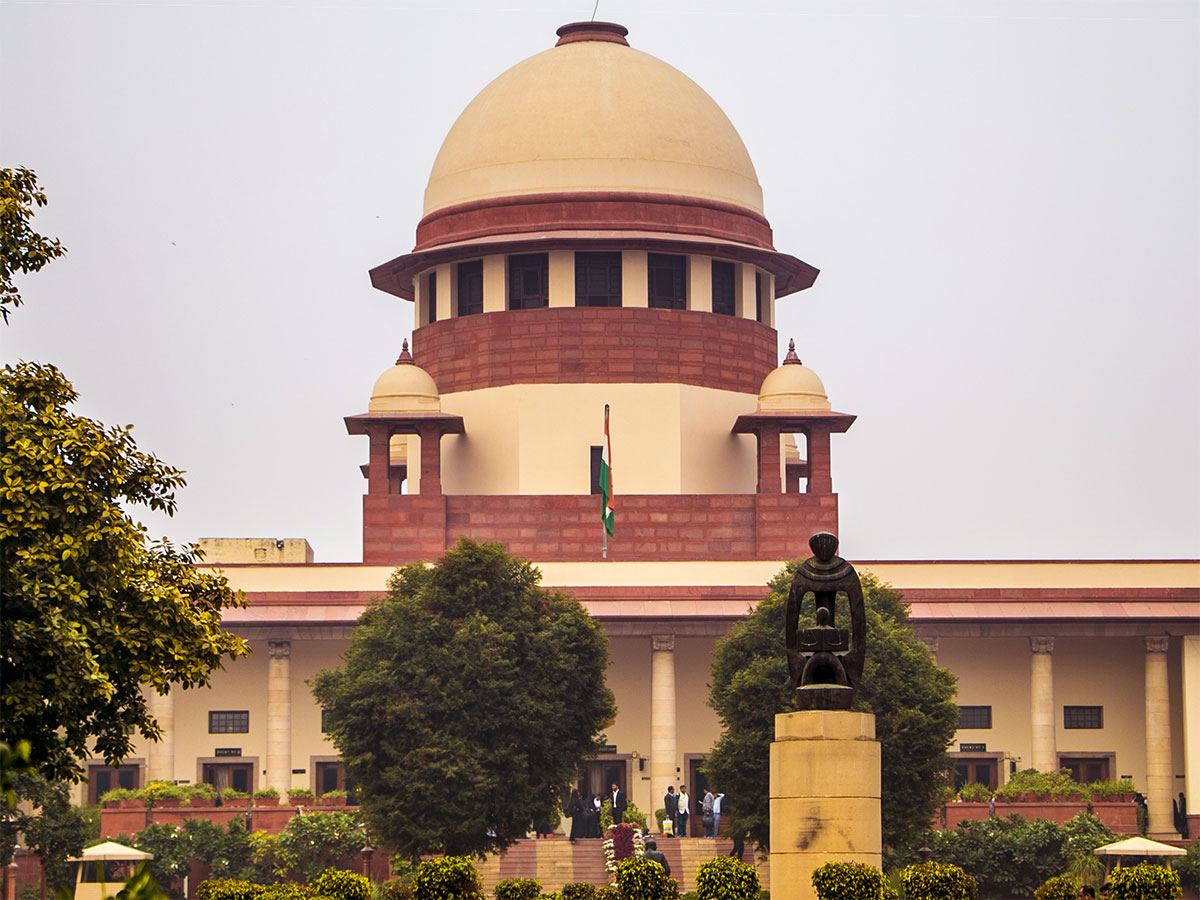
Patanjali’s reputation, built on the premise of providing natural and authentic products, now faces a severe dent. On Tuesday, 27th February 2024, the Supreme Court issued a contempt notice for Patanjali Ayurved and Acharya Balakrishnan for “misleading advertisement.”
One of the primary issues highlighted by the court was the potential harm caused by Patanjali’s false claims. Consumers, lured by promises of miraculous health benefits, may have unwittingly put their well-being at risk. The court’s decision reflects a growing recognition of the need for stringent measures to protect consumers from deceptive marketing tactics.
Furthermore, the Supreme Court’s decision serves as a stern warning to other companies engaging in similar practices. It underscores the importance of truthfulness and transparency in advertising, reinforcing the idea that corporations must be held accountable for the promises they make to consumers.
Previously, in 2023, The Supreme Court warned Patanjali Ayurved that it would be fined Rs. 1 Crore if another false claim was made. Just like Patanjali used to claim that it cures many health hazards better than prescribed medicine. Based on this very issue, in today’s hearing, Hima Kohli and A. Amanullah raised the question, “Despite being warned several times, how can Patanjali claim that it works better than other chemical-based medicines?” Also, another crucial question they raised is, “How can you claim illnesses like low blood pressure and diabetes can be completely cured by these products?”
According to today’s notice, the court gave Patanjali Ayurved and Acharya Balakrishnan a three-week period to respond. Questions are raised against Baba Ramdev as well.
The Supreme Court’s condemnation of Patanjali in the ‘false’ advertisement case is a significant development in the realm of consumer protection and corporate accountability. It sends a strong message about the consequences of misleading marketing practices and raises the bar for ethical standards in the business world.