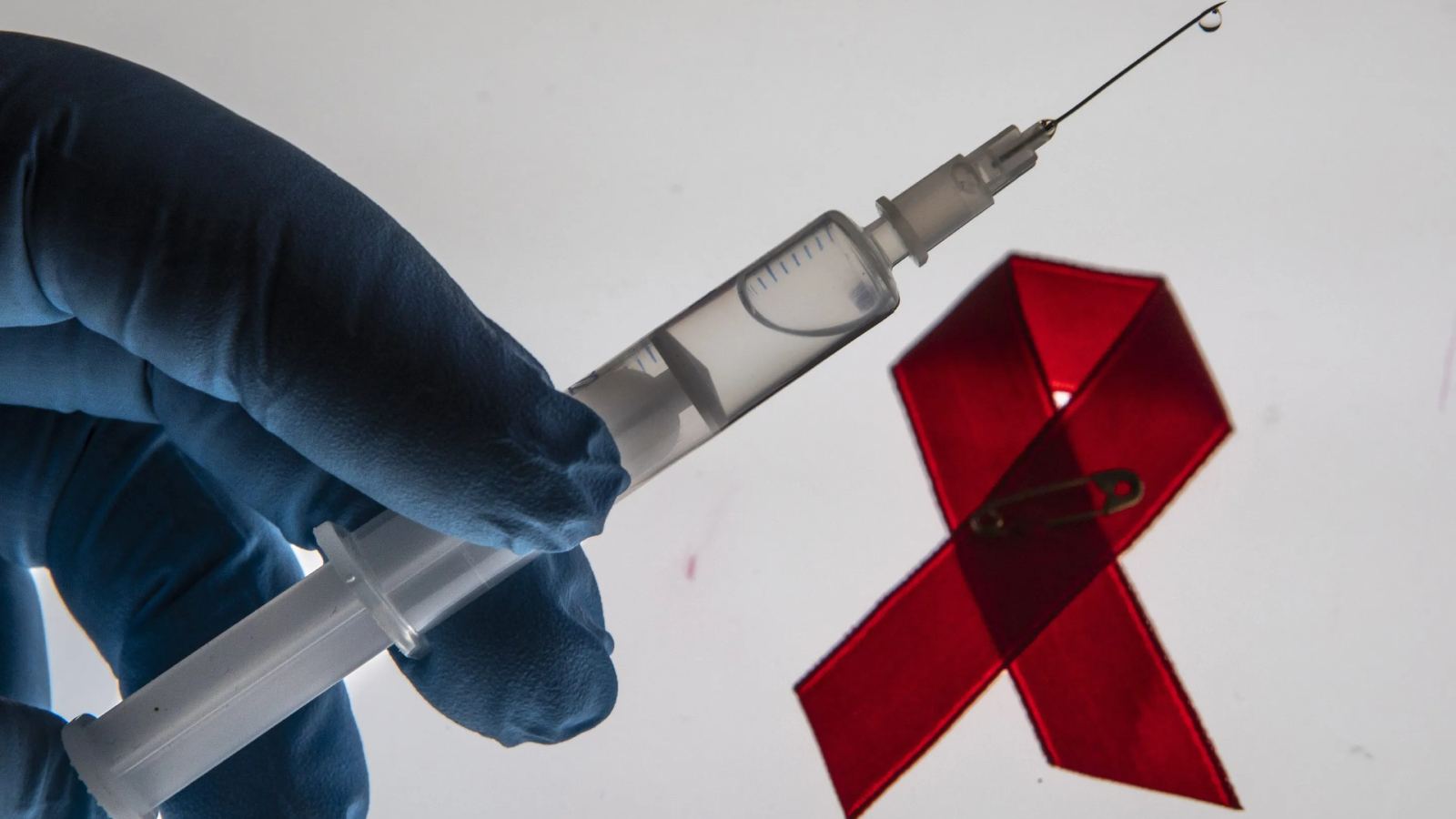
India has approved lenacapavir, a twice-yearly HIV prevention drug priced at ₹3,500. Medical progress is not only about science but also about making treatment accessible, affordable, and acceptable in society.
For years, HIV prevention has depended on daily medication, which many people struggled to take regularly. This inconsistency has reduced the impact of awareness campaigns and limited the success of preventive programmes.
The approval of lenacapavir is seen as a major shift. Unlike daily pills, this drug needs only two doses a year, easing the burden of adherence and making prevention simpler for everyone.
This matters most for people in rural areas or those with limited access to healthcare. The twice-yearly schedule removes one of the biggest barriers: the difficulty of daily compliance.
At around ₹3,500 or $40 per year, the treatment is also cost-effective. In a country where affordability often decides access to healthcare, this pricing makes advanced medicine more reachable.
But approval is only the beginning. The challenge now is to ensure proper execution through wide availability, strong supply chains, and community-level awareness.
If implemented effectively, lenacapavir could strengthen India’s fight against HIV. It makes prevention easier, reshapes long-term care, and shows that innovation is often about simpler, sustainable solutions.