As digital communication becomes central to daily life, governments are trying to balance convenience with security. Messaging platforms are no longer limited to casual chats. They now support banking alerts, work communication and business operations. Any regulatory change naturally attracts strong reactions.
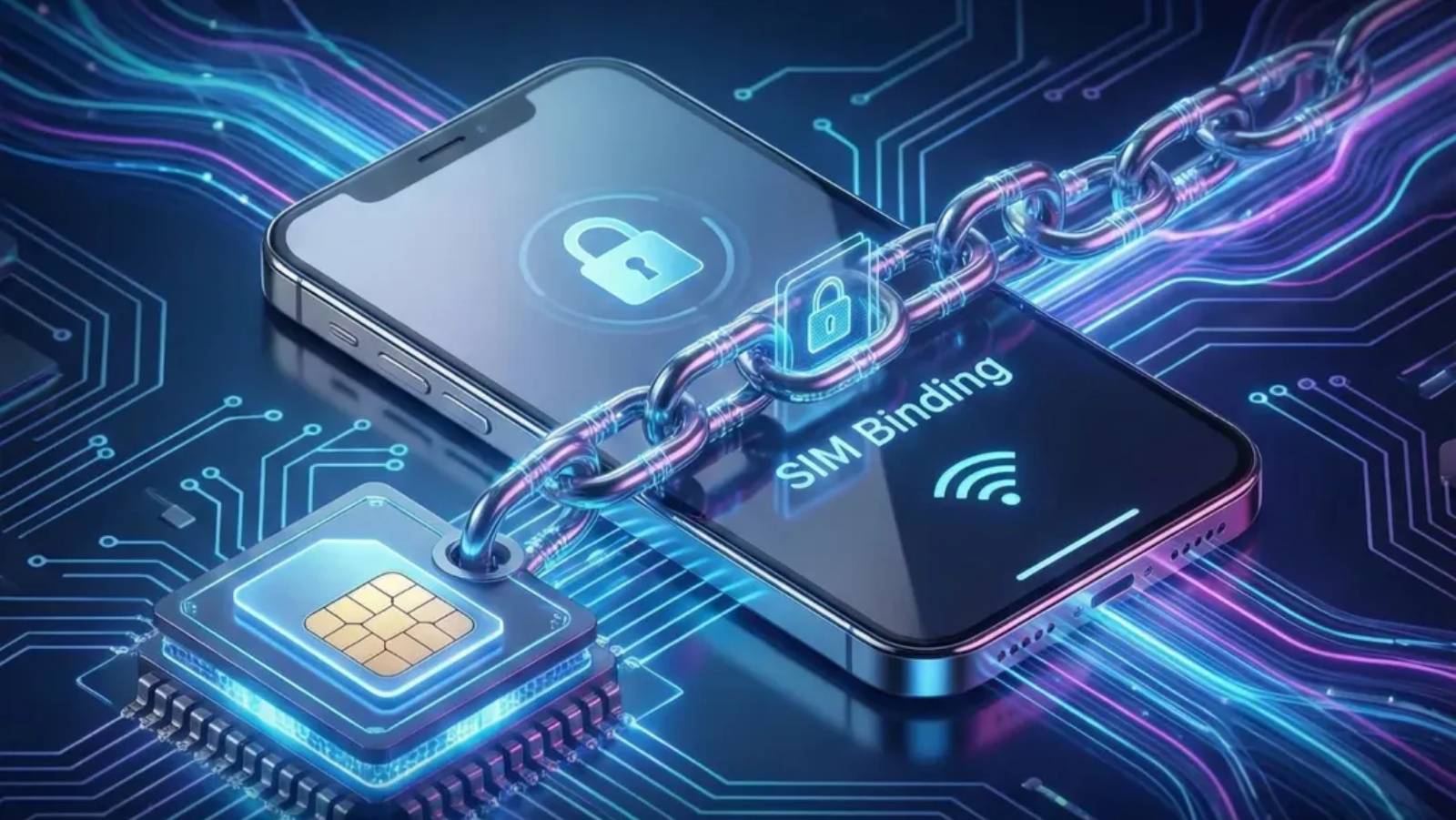
India’s proposed SIM binding rule, expected from March 1, 2026, reflects rising concern over cybersecurity. Under the plan, apps like WhatsApp, Telegram and Signal may work only when the registered SIM card is physically present in the device. The move aims to tighten digital verification.
Web and desktop logins are also likely to auto logout every six hours unless users re authenticate. Authorities believe this step could reduce OTP fraud and fake accounts. It may also curb scams run through anonymous or disposable SIM cards.
However, practical challenges remain. Users with multi device setups or professionals dependent on desktop workflows could face disruption. International travellers may struggle if their primary SIM becomes inactive or is removed.
Maintaining minimum balance to keep SIMs active could also add recurring costs. While the goal of curbing cyber fraud appears reasonable, implementation will be crucial. The policy’s success will depend on balancing security with user convenience.
SIM Binding Rule Explained!
If you remove or change your SIM, could apps like WhatsApp, Telegram & Signal stop working?
Is this a smart step to prevent cyber fraud
or an inconvenience for users?
Security vs Convenience — What’s your take? #SIMBinding #CyberSecurity pic.twitter.com/JdumSBY8di— Anand Soni (@aanandsonii) February 27, 2026
SIM binding for messaging apps becomes mandatory from 1st March 2026 in India and the govt has refused to extend the deadline…
– Apps like WhatsApp, Telegram, Signal & others will only work if your registered SIM is physically present in your phone…
– Web/desktop logins… https://t.co/xHV9KKviQ7
— DealBee Deals (@DealBeeOfficial) February 27, 2026
1 मार्च 2026 से SIM Binding का नियम लागू होने जा रहा है और इसका सीधा असर हर मोबाइल यूज़र पर पड़ेगा।
अब हर SIM को एक verified identity/device से लिंक किया जाएगा।
मतलब बिना सही KYC और लिंकिंग के SIM चलाना आसान नहीं रहेगा।मुख्य बदलाव
• एक व्यक्ति के नाम पर SIM की संख्या पर… pic.twitter.com/antrcJexfO— खुरपेंच Satire (@Khurpench_) February 27, 2026