A recent case from Lakhisarai, Bihar, has brought to light a troubling pattern in the way the media handles sensitive accusations, particularly those involving men.
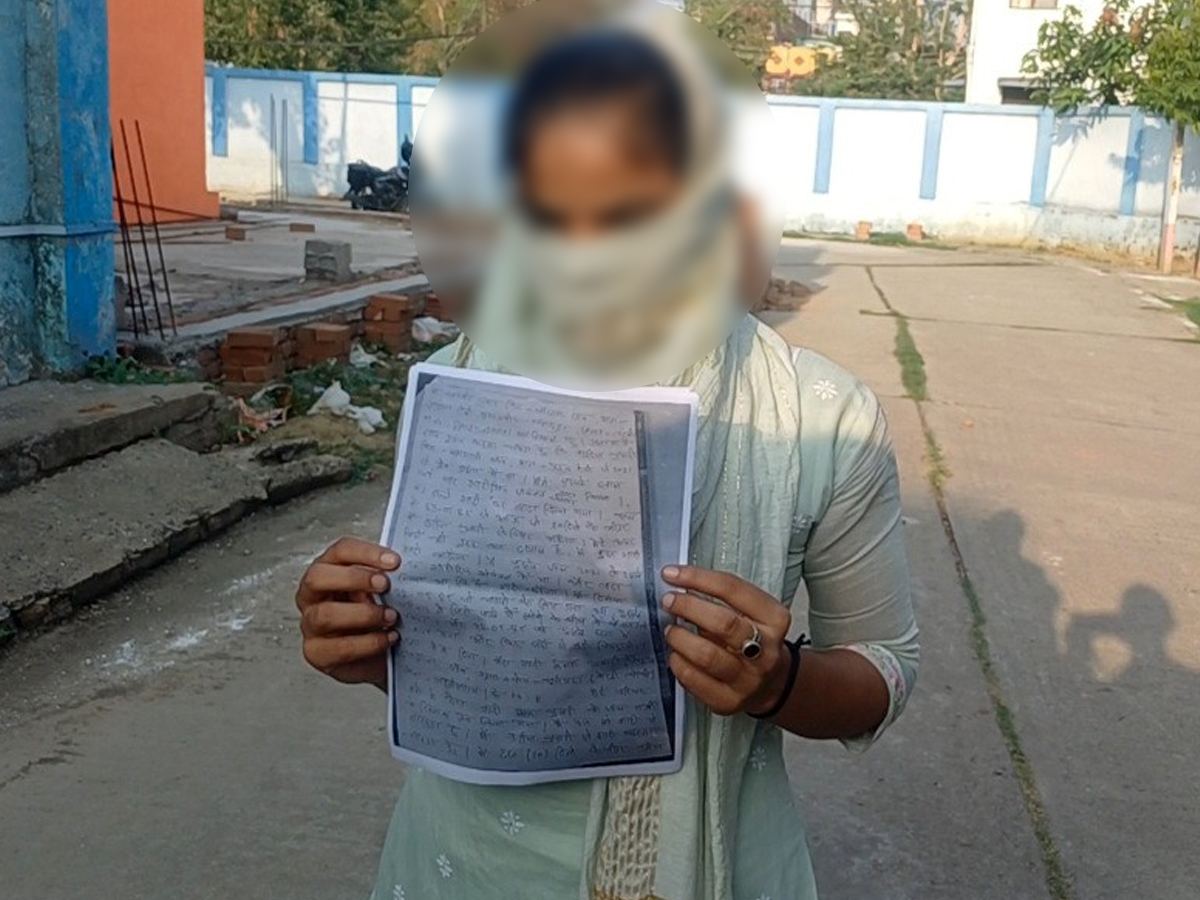
A young woman from the Halasi police station area has accused a government school teacher of sexual exploitation under the pretext of marriage. She has approached senior police officials seeking justice, and an FIR has reportedly been registered on her complaint.
While the investigation is still underway and no verdict has been reached, several media platforms have already publicised the identity and photograph of the accused teacher.
In stark contrast, the identity of the complainant has been kept confidential. Though the law justifiably protects the identity of alleged survivors, the same sensitivity is not extended to those accused, even when their guilt remains unproven.
This biased and sensationalist coverage goes against the foundational principle of “innocent until proven guilty.” By publicly naming and shaming the accused, especially in cases still under investigation, the media often delivers a verdict before the courts do.
The consequences are dire. Accused individuals face immense social stigma, loss of livelihood, psychological trauma, and in some cases, even suicidal thoughts. All before any legal conclusion is drawn.
The issue here is not about undermining the gravity of allegations but ensuring fairness to all parties involved. A balanced approach is essential.
Reckless media coverage can ruin innocent lives and derail justice itself. The press must act responsibly and refrain from turning accusations into public trials, especially when facts are yet to be verified.
Lakhisarai: सरकारी शिक्षक पर यौन शोषण का आरोप..
शादी का झांसा देकर किया यौन शोषण.. नौकरी लगते प्रेमिका से तोड़ा नाता pic.twitter.com/paEke8O2mu
— News18 Bihar (@News18Bihar) May 28, 2025