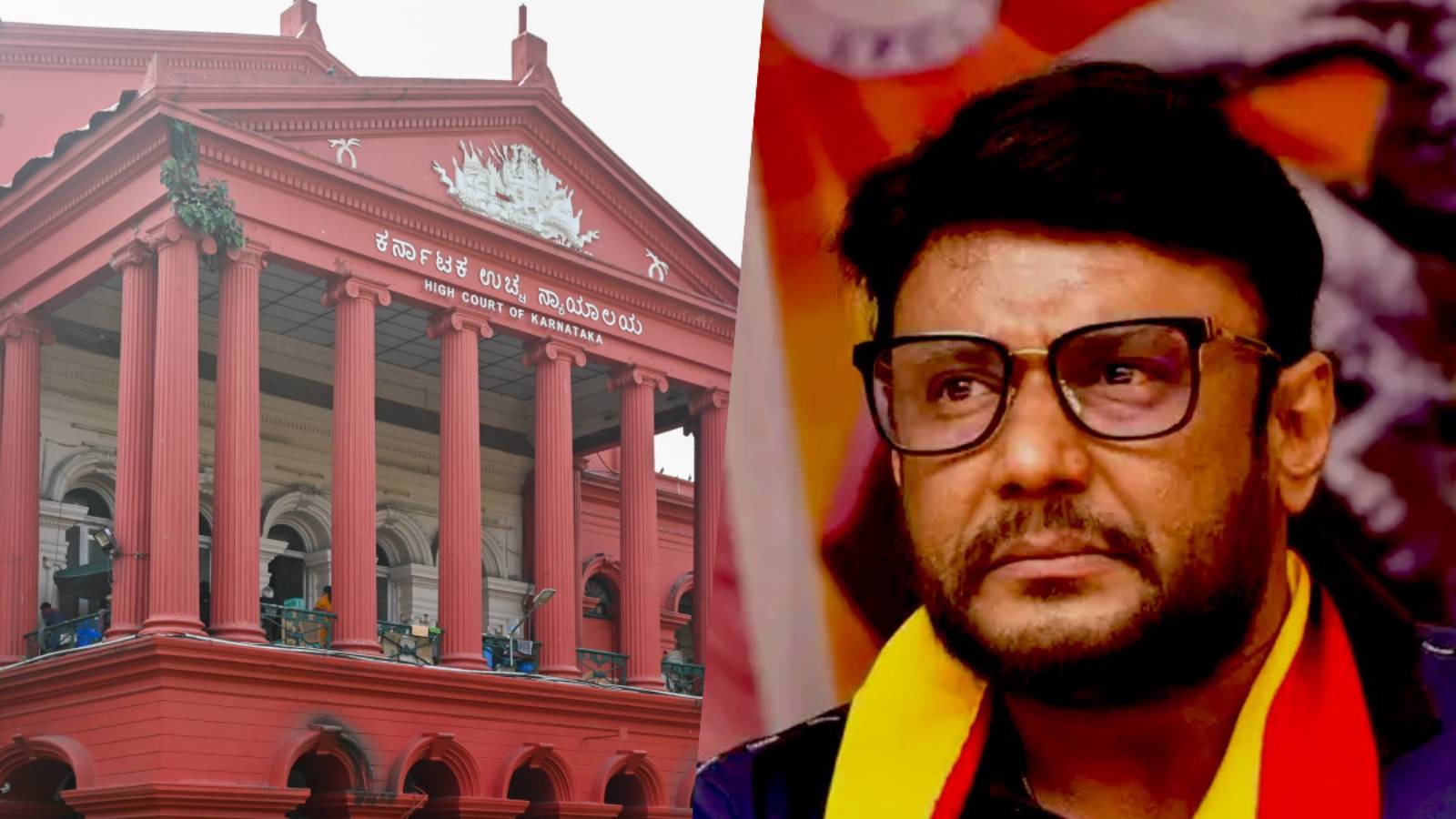
The Karnataka High Court has sent out a strong warning regarding online abuse and social media harassment while refusing bail to four individuals accused of posting obscene and derogatory comments against Vijayalakshmi Darshan, wife of Kannada actor Darshan.
The court made it clear that freedom of speech and expression cannot be used as a shield for harassment, intimidation, or character assassination on social media.
The case originated after Vijayalakshmi Darshan allegedly faced a wave of abusive and offensive comments on social media following remarks she made during a public event in Davangere in December 2025. According to the complaint, her remarks were misinterpreted, leading to numerous derogatory posts and comments online.
While seeking bail, the accused argued that they had merely commented on existing social media posts and had neither created nor uploaded any original obscene content. They contended that simply posting comments should not attract provisions related to publishing or transmitting obscene material under the Information Technology Act.
However, the High Court was not convinced.
Particularly referring to one accused, Nithin G.B., the court observed that he had allegedly used social media as a tool for harassment and intimidation through filthy and abusive language. The judge described such conduct as unpardonable and deserving of strict action.
The judge stated that courts cannot remain mute spectators when individuals are subjected to abuse, humiliation, and intimidation through online platforms. According to the court, strong action is necessary not only to protect victims but also to send a clear warning to others who believe social media gives them unrestricted freedom to target individuals.
The Karnataka High Court’s observations are likely to be cited in future cases involving online harassment, cyberbullying and defamatory social media campaigns, especially as courts grapple with balancing free speech and personal dignity in the digital age.