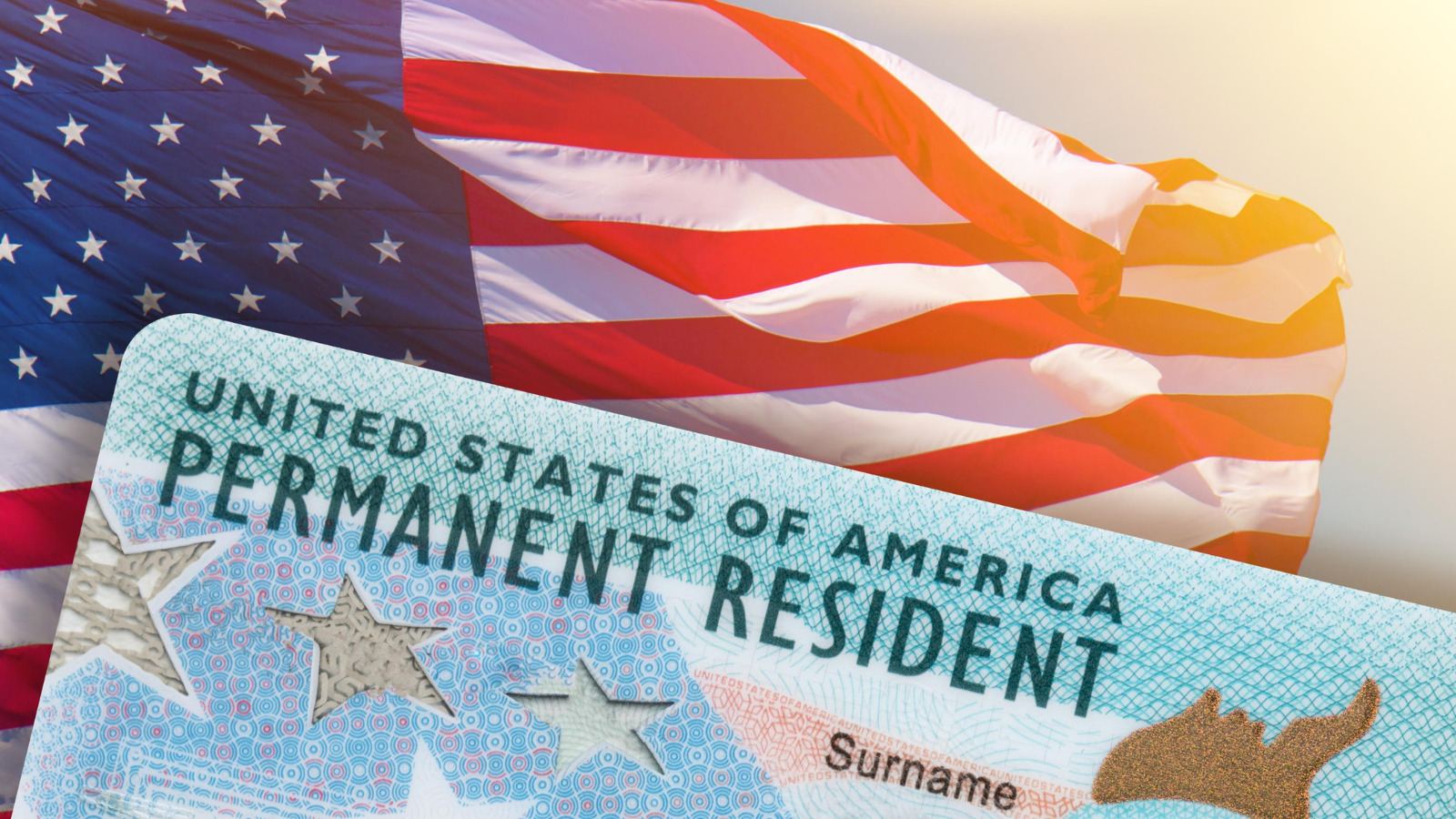
Indian professionals applying for a green card through H-1B visas are facing extremely long waiting periods. Current estimates suggest the backlog could stretch up to 134 years. This has raised serious concerns among skilled workers planning long term careers in the United States.
The primary reason for this backlog is Section 202 of the Immigration and Nationality Act. It imposes a 7 percent cap per country on employment based green cards. This rule applies equally to all nations, regardless of population or demand.
As a result, each country receives around 25,620 employment based green cards annually. This limit does not consider the number of applicants from larger countries. It creates a major imbalance for countries with high demand like India.
Due to this cap, countries such as Somalia have waiting periods of about two years. In contrast, India has over 1.1 million applicants in the queue. This gap highlights the scale of the backlog faced by Indian professionals.
The delay mainly affects applicants under EB-2 and EB-3 categories. These categories require permanent job offers and labour certifications. Many skilled workers remain stuck in these queues for decades without clarity.
Globally, immigration policies are also becoming stricter. Countries like New Zealand have introduced laws such as the Immigration Amendment Bill. These measures aim to tighten entry rules and address risks linked to migration.
For Indians, the prolonged wait has become both stressful and uncertain. Reports suggest that nearly 424,000 applicants may pass away before receiving their green card. This has intensified the debate around immigration reforms.
More than 90 percent of those waiting in the employment based green card queue are Indian nationals. The situation continues to highlight systemic challenges in the current immigration framework and calls for urgent policy changes.