Another controversy surrounding H-1B visas is gaining attention in the United States, and this time the Telugu community is facing scrutiny. The issue has sparked widespread discussion across social media and policy circles.
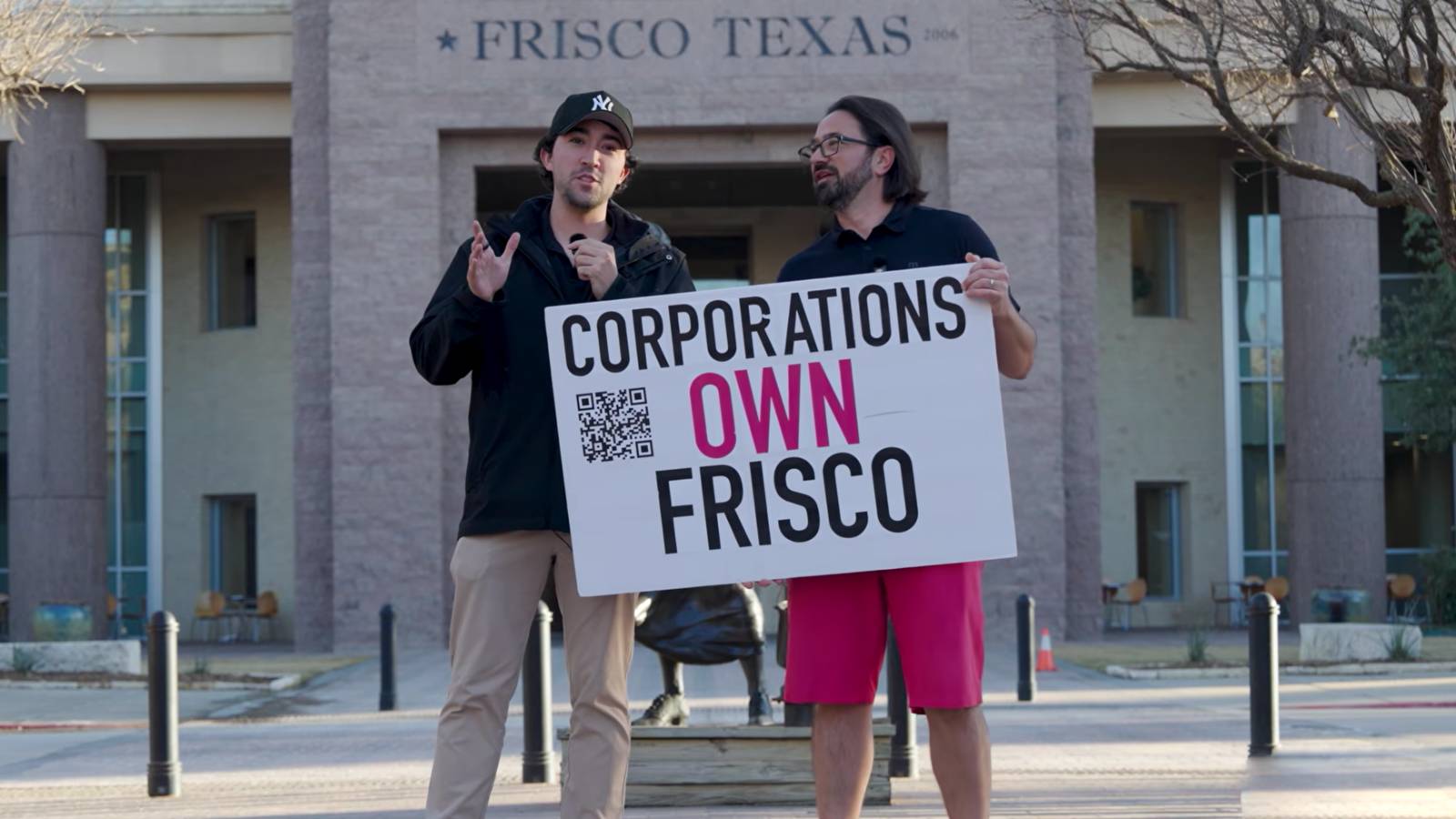
Tyler Oliveira, an American YouTuber, recently released a video alleging misuse of the H-1B program by Indian IT firms in Texas. The footage, shot around the Frisco region, claims that shell companies are operating with questionable practices.
In the video, Oliveira visits multiple business addresses linked to Indian staffing firms. Several of these locations appeared empty during working hours, with offices locked and no visible activity.
At a few listed addresses, including homes, only a small number of tech workers from Hyderabad were found. However, the number present did not match the scale of registrations linked to those locations.
He further alleged that such addresses are being used to file H-1B petitions despite limited or no actual office presence. This has raised concerns about compliance with existing US visa regulations.
Another moment in the video shows a convenience store cashier claiming to be on an H-1B visa. This led to questions about whether the job met the program’s “specialty occupation” criteria.
Interviews with local residents reflected growing concern among some Americans. A few claimed that domestic tech workers are being replaced by lower paid foreign employees in certain roles.
The video also highlighted that many H-1B holders in the region are from Hyderabad and nearby parts of Telangana. This observation has drawn criticism towards the community, especially in the context of the allegations.
India accounts for nearly 70 percent of H-1B visa approvals each year, particularly in the IT sector. Regions like Frisco and the Dallas-Fort Worth area have recently seen a noticeable rise in Telugu professionals.
Following the viral video, calls for stricter regulations have intensified. While some demand major policy changes, others believe that addressing fraudulent practices will help protect genuine applicants.