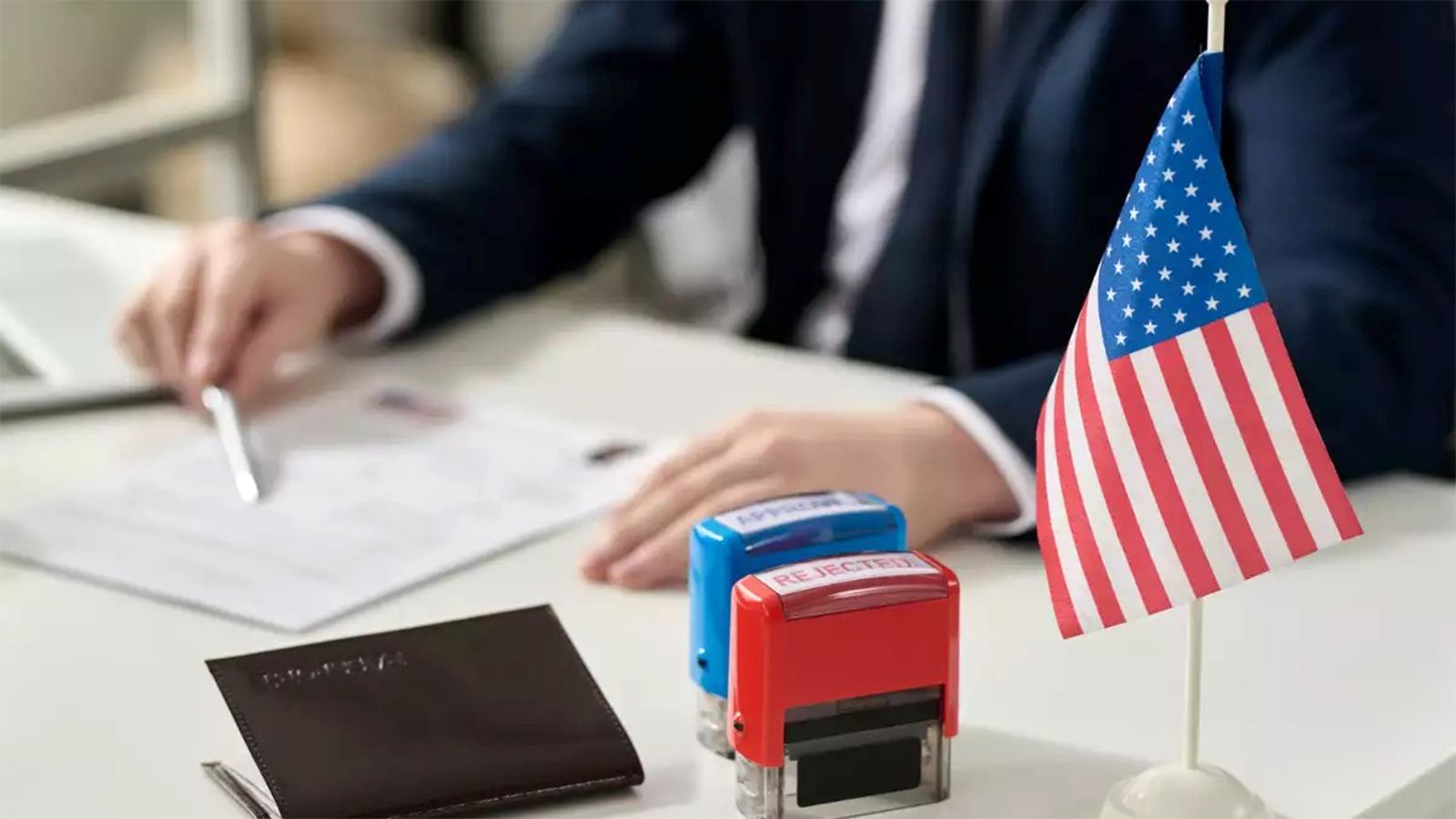
A fintech business owner from Hyderabad recently faced a B-1/B-2 visa rejection that raised questions. The applicant holds an MBA and has been managing a profitable business for the past four years, making the refusal appear unexpected.
The applicant has an extensive travel record covering more than 20 countries. These include several Schengen nations in Europe along with frequent visits to the Middle East and South East Asia. Such travel history is usually seen as a strong positive factor.
The stated purpose of travel was to visit a childhood friend residing in Chicago. On the same day, the applicant’s spouse received a B-1/B-2 visa approval for an identical reason, adding to the confusion surrounding the decision.
During the interview, the visa officer questioned the applicant’s ties to India. This came despite clear evidence of business ownership and steady profits within the country, which are typically viewed as indicators of strong home ties.
The officer also considered the reason for travel too vague. There may have been concerns that the applicant intended to work in the US, which is a common reason cited in B-1/B-2 refusals.
The absence of children was reportedly treated as another concern. Visa officers often view family-based applications more favourably, especially when assessing long-term intent and likelihood of return.
Experts note that B-1/B-2 visa decisions have become increasingly subjective. Many refusals now appear to depend heavily on individual officer discretion rather than clear and consistent evaluation criteria.
Despite a strong profile, the rejection may have resulted from these subjective factors. The applicant must now wait at least six months before reapplying, even though no major weaknesses are evident.
Such inconsistent assessment methods have led to growing criticism. Many believe this trend became more common after the Trump administration came to power, making B-1/B-2 approvals less predictable.