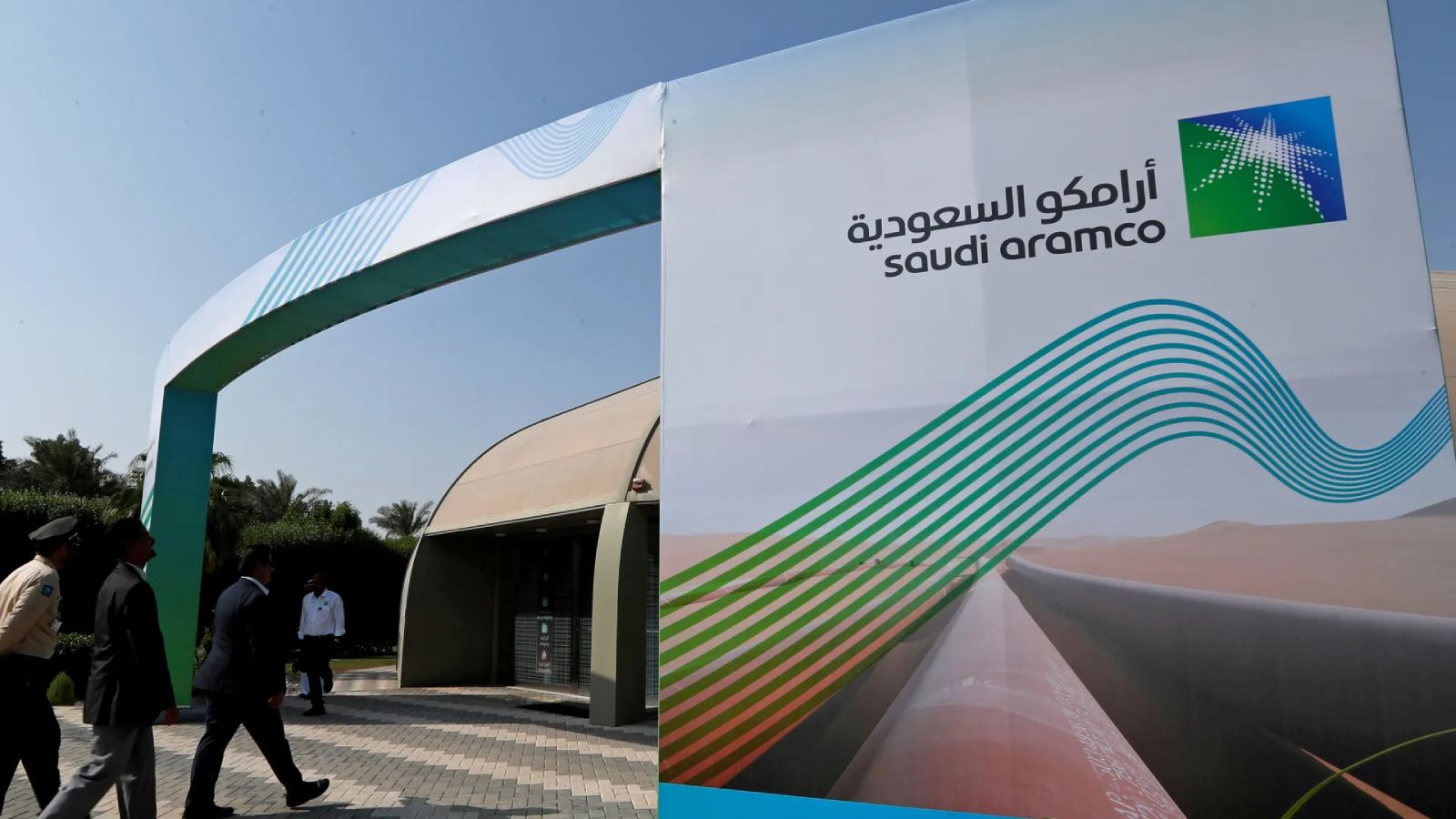
Saudi Aramco, the world’s largest petroleum company, has reduced crude oil supply to Asia. From April 2026, buyers are expected to receive lower volumes, raising concerns across major importing nations.
This is the second consecutive month of supply cuts for Asia. The situation has been linked to disruptions in the Strait of Hormuz, affecting key global shipping routes.
Tensions in the Middle East have impacted oil transport. As a result, companies are rerouting shipments through the Red Sea, leading to delays and increased costs.
Experts warn that these disruptions could push global oil prices higher. Supply chain challenges are already creating uncertainty in energy markets.
The ongoing conflict involving the US, Israel, and Iran has added to the instability. The situation has had a noticeable impact on global economic conditions.
Analysts believe Asian countries could face oil shortages if the situation continues. This may also open opportunities for other suppliers, including Russia, to increase exports.
Asia remains the largest importer of Saudi oil. Any disruption in supply is likely to have serious economic consequences for the region.
Alongside economic concerns, the humanitarian impact of the conflict continues to grow. The situation remains tense with no clear resolution in sight.
Experts stress the need for diplomatic efforts to reduce tensions. Without de-escalation, disruptions in oil supply and regional instability may continue.