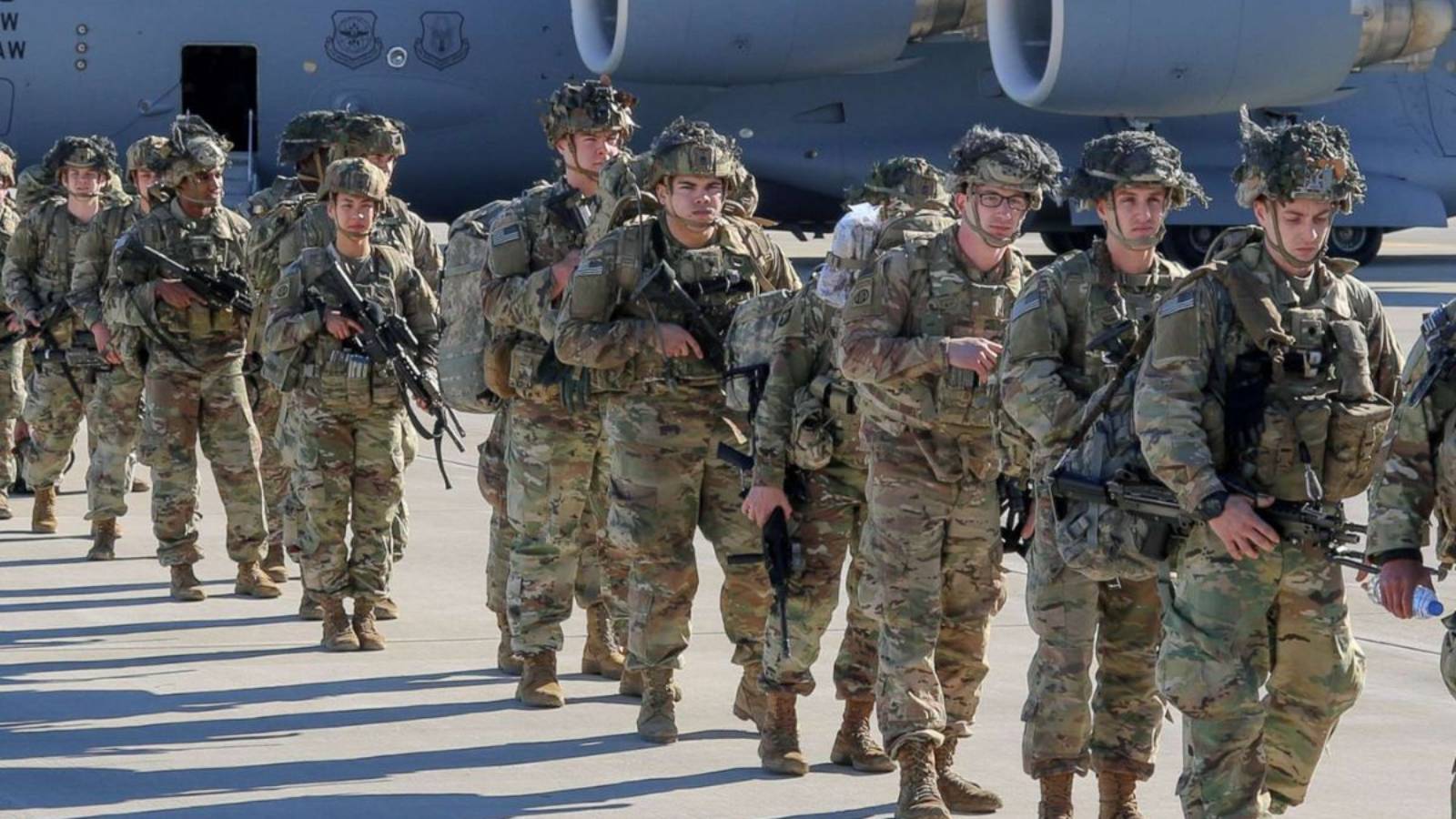
Tensions between Iran and the United States continue to rise with no clear signs of easing. Reports suggest that the US is planning to deploy 10,000 additional ground troops to the region, increasing its total presence to around 20,000.
This move signals a possible escalation on the ground, especially around key energy hubs. The development has raised concerns about a potential military operation, which could further destabilise the already sensitive West Asia region.
On the other side, Iran has reportedly mobilised more than one million troops. This large-scale mobilisation shifts the numerical advantage in its favour. The Wall Street Journal reports that the US deployment will include infantry and armoured units with heavy equipment.
Amid this tense situation, the US President has extended a five-day pause on targeting Iran’s energy sites until April 6. This decision reportedly came after signals from Tehran, suggesting a possible opening for diplomatic talks.
While the pause appears to reflect a diplomatic approach, the troop build-up presents a contrasting picture. The simultaneous military preparations indicate that the situation remains highly uncertain and sensitive.
The overall objective of the United States remains unclear at this stage. Some critics argue that the troop deployment may be a pressure tactic rather than a direct step towards war.
Iran’s large troop mobilisation and challenging terrain make any ground invasion a difficult task. Military experts believe that such conditions could pose serious risks for any attacking force.
It appears that the US may be attempting to push Iran back to the negotiating table. However, Iran seems confident of its position and has shown no signs of backing down amid continued pressure from the US and Israel.