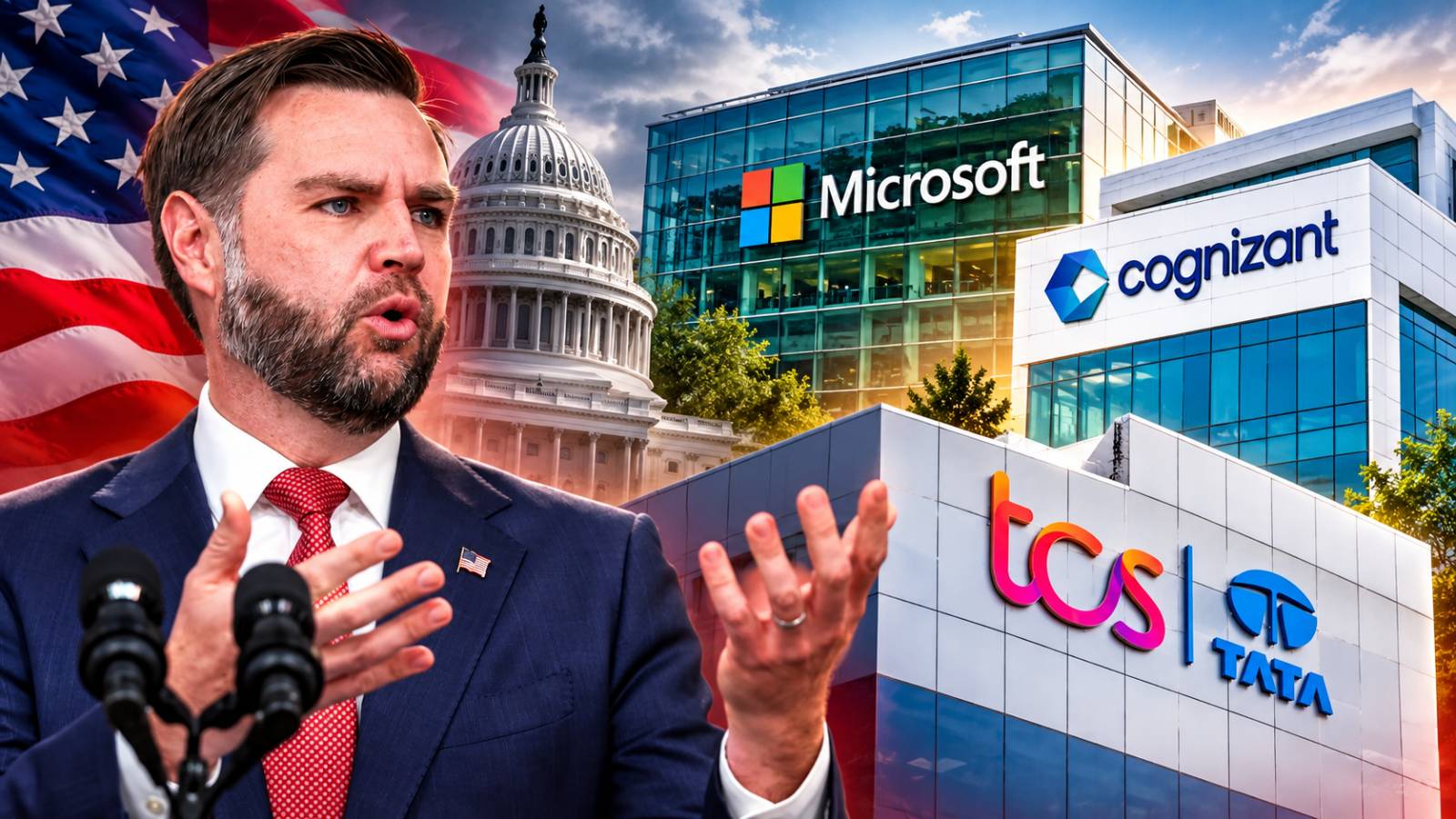
The $100,000 H-1B visa fee is no longer just a threat. Applicants are now reporting real cases of their petitions being flagged for missing the new payment, confirming what immigration experts had warned for weeks.
First Cases Reported from India
Carnegie Evaluations, a private immigration consultancy, revealed on Reddit that the US Citizenship and Immigration Services (USCIS) has issued Requests for Evidence (RFEs) for two petitions filed through consular processing in India. Both cases involve the new $100,000 fee rule.
When the Rule Took Effect
The first RFE was issued for a petition filed on October 2. The second, more complex case, involves a petition filed on September 19 but received by USCIS on September 22 just one day after the White House proclamation took effect.
Dispute Over Applicable Fee Date
The applicant’s attorney argues that the fee shouldn’t apply since the petition was mailed before the rule was announced. USCIS’s own Policy Manual states that the postmark date not the receipt date decides which fee rules apply.
USCIS’s Inconsistent Interpretation
Reports suggest some USCIS officers are using the receipt date instead, trapping employers who sent petitions before the deadline. This inconsistency has created panic among applicants, especially those whose cases are still pending.
Who Is Being Impacted Most
Carnegie revealed that both flagged applicants had previously held H-1B visas but returned to India after their three-year terms ended. Under current rules, any new petition filed for a beneficiary outside the US after September 21 triggers the $100,000 fee even for returning workers.
What It Means for Indian Applicants
If you’re abroad and your employer files a consular petition, you automatically fall under this new rule. This impacts those who travelled home after layoffs or personal emergencies and are now struggling to re-enter the US job market.
Community Reaction and Legal Pushback
Immigration lawyers say some workers were caught off guard while abroad, leaving them stranded unless an employer pays the fee. The proclamation faces growing legal challenges from labour and business groups, but until resolved, more applicants risk becoming victims of this policy.