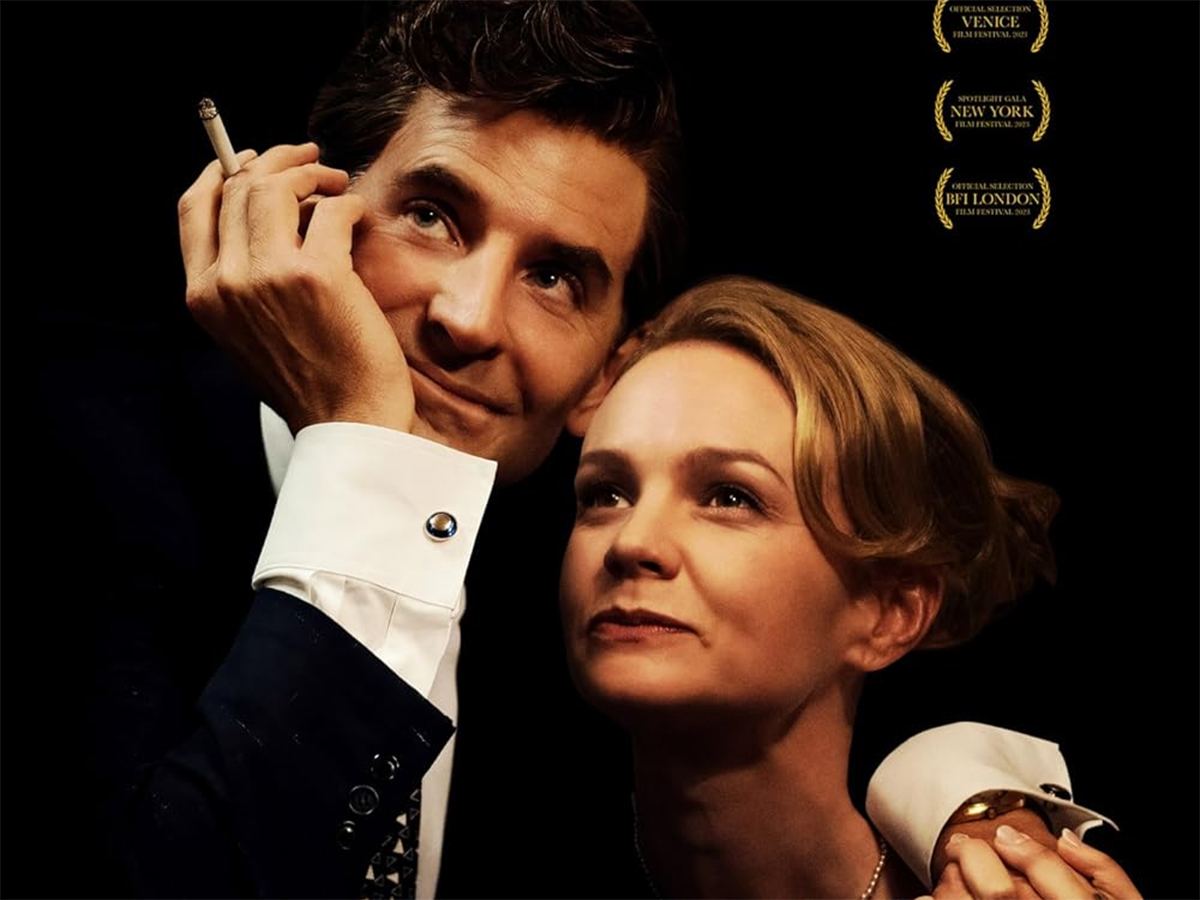
In Bradley Cooper’s “Maestro,” the symphony of Leonard Bernstein’s life unfolds with a selective focus, leaving audiences longing for the unheard notes. While the film delves into the complex dance between Bernstein and his wife, Felicia, it curiously skips over a crucial decade and a half, leaving untold tales of the maestro’s musical evolution.
Yet, beyond the cinematic canvas, there’s an unseen symphony waiting to be explored, the harmonies of Bernstein’s relationships with influential figures like Dimitri Mitropoulos, the mentor who played a pivotal role in shaping his destiny. Mitropoulos, a shadowy figure absent from the film, holds the key to understanding Bernstein’s ascent to the conductor’s podium.
Cooper’s deliberate ambiguity and avoidance of controversy may mask the intricate layers of Bernstein’s life. While “Maestro” tantalizes with hints and winks, it leaves the audience craving the untold stories of the maestro’s political struggles during the McCarthy era. Bernstein’s brushes with blacklisting and his impassioned political activities are notable omissions that, if explored, could have added depth and resonance to the narrative.
Moreover, the film’s reluctance to dissect the societal homophobia of the time misses an opportunity to shed light on the challenges faced by a bisexual artist in the public eye. Bernstein’s carefully concealed bisexuality is a rich source of tension and self-discovery, left unexplored in “Maestro.”
As we peel back the layers of Bernstein’s life, it becomes apparent that “Maestro” is but a glimpse into the maestro’s world. The untold stories, the unexplored relationships, and the uncharted musical territories beckon for a cinematic voyage beyond the lens.